HOLOCAUST (1978)
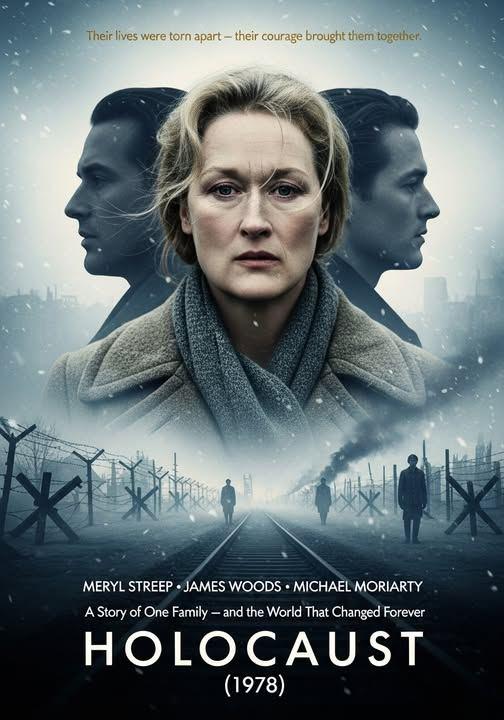
🎬 HOLOCAUST (1978): THE TELEVISION MASTERPIECE THAT AWAKENED THE WORLD TO A DARK CHAPTER OF HISTORY
When discussing the most influential television productions ever made, Holocaust (1978) stands as one of the defining titles. The series does far more than recreate a horrific era of human history—it brings viewers into intimate, deeply personal stories where pain, loss, sacrifice, and the collapse of humanity are portrayed with striking honesty. Released at the end of the 1970s, when memories of World War II still lingered across generations, Holocaust sparked a global wave of reflection and conversation, forcing societies to confront a chapter of history that had long been spoken about cautiously or avoided altogether.
Two Families, Two Lives, Two Opposing Worlds
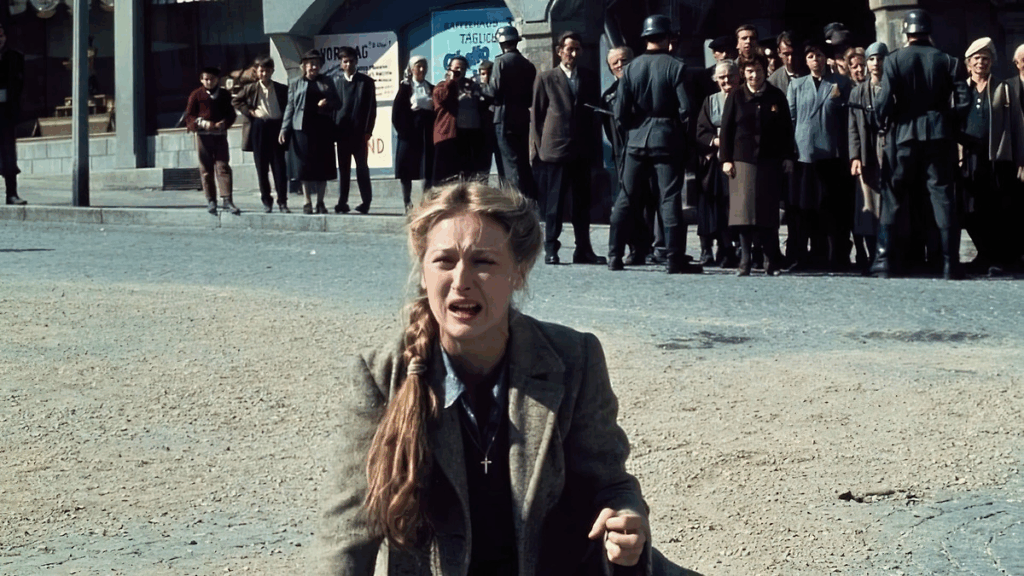
At the heart of Holocaust are the intertwined journeys of two families: the Weiss family, a Jewish family living in Berlin, and the Dorf family, led by Erik Dorf—an ordinary German man who gradually becomes part of the Nazi extermination machine. Through these dual narratives, the series provides a multidimensional perspective, showing that the Holocaust was not only a grand tragedy but also a mosaic of countless small, devastating personal stories shaped by human choices—some desperate, some misguided, some forced by circumstance.
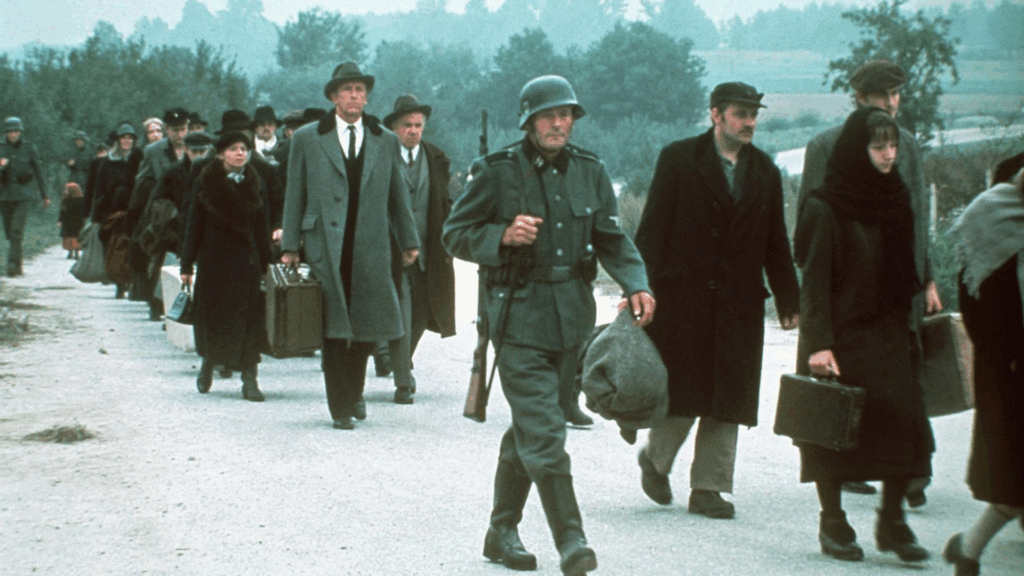
The Weiss family is swept into the terror of Nazi persecution. Once a peaceful, educated, loving household, they become targets of brutal policies simply because they are Jewish. From losing their civil rights, to being expelled, imprisoned, separated, and eventually pushed into concentration camps—every step of their journey is steeped in fear and heartbreak. Their story represents the fate of millions who faced annihilation not because of anything they did, but because of who they were.
In contrast, Erik Dorf begins as an unemployed lawyer struggling to support his family. Out of desperation, he joins the SS. Over time, he becomes an essential component of the genocidal system—not because he is inherently monstrous, but because of his ambition, moral weakness, and willingness to compromise his humanity for survival and status. Dorf’s character demonstrates a chilling truth: a genocide is not carried out solely by villains, but by ordinary people who allow evil to shape them.
A Brutal History Told Through Human Eyes
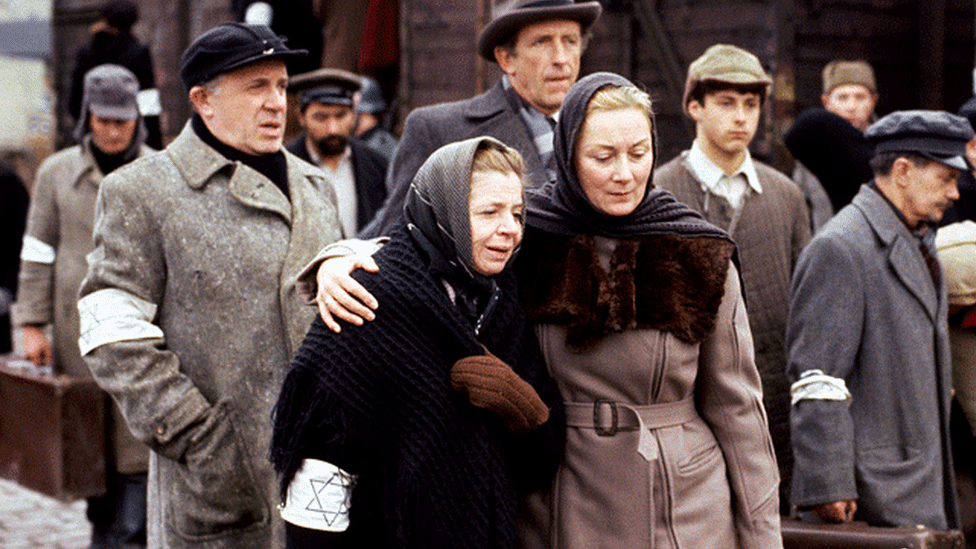
One of the greatest strengths of Holocaust (1978) is its ability to blend historical accuracy with intimate emotional storytelling. Instead of relying on large-scale depictions of war, the series focuses on everyday moments: a family forced from their home, a mother trying to protect her children, an artist stripped of his identity, or a man slowly losing his soul to power. These seemingly simple moments carry immense emotional weight, reminding viewers that behind historical events lie countless individual lives.
Scenes within the concentration camps are portrayed with honesty but without sensationalism. The brutality is shown, but the series does not seek shock value. Instead, it emphasizes psychological collapse, despair, and the fragile will to survive. By humanizing the victims rather than reducing them to statistics, Holocaust transforms historical facts into vivid, unforgettable human experiences.
A Cultural Shockwave That Changed the World’s Understanding of History
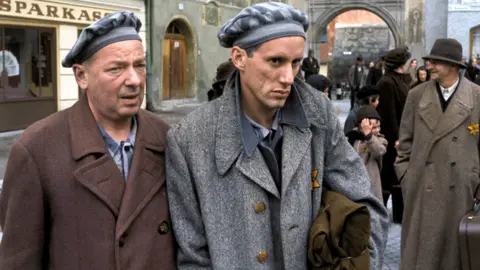
Upon release, Holocaust became a cultural phenomenon in the United States, Europe, and beyond. Tens of millions tuned in, and for many, it was the first time they had truly confronted the reality of the Nazi genocide. In Germany particularly, the series dramatically reshaped public awareness. Thousands of German viewers wrote letters expressing shock, guilt, and disbelief—many admitted they had never been properly taught about the atrocities committed under the Nazi regime.
The series played a crucial role in promoting Holocaust education in schools and universities. Historians widely acknowledge that Holocaust (1978) helped reintroduce the topic into mainstream conversation, ensuring that the lessons of history would not fade into silence.
Exceptional Performances That Leave a Lasting Impact
The cast of Holocaust elevates the series to brilliance. Meryl Streep, as Inga Helms Weiss, delivers a performance that is both tender and resilient—one that marked a major turning point in her career. James Woods, as Karl Weiss, portrays the heartbreaking downfall of an artist crushed by the cruelty of the camps, yet clinging to the final pieces of his humanity. Michael Moriarty, as Erik Dorf, offers a chilling and complex depiction of moral corruption, making his character one of the most haunting in the series.
Under the direction of Marvin J. Chomsky, these performances transform the series from a historical account into a deeply emotional cinematic experience that continues to resonate with audiences decades later.
Awards, Legacy, and Lasting Influence
It is no surprise that Holocaust (1978) earned critical acclaim and widespread recognition. The series won 8 Emmy Awards, including Outstanding Limited Series, as well as 2 Golden Globe Awards. Yet the true legacy of Holocaust extends far beyond awards. Its greatest achievement lies in its impact on public consciousness, prompting discussions, reflections, and education about one of the darkest chapters in human history.
Today, the series remains a powerful cultural document—an example of how television can be used not only to entertain, but also to educate, enlighten, and preserve memory. It stands as a vital tool for teaching future generations about the consequences of hatred, discrimination, and unchecked power.
A Timeless Message for Humanity
The message of Holocaust (1978) resonates deeply:
“Evil triumphs when good people remain silent.”
The series reminds viewers that genocide does not begin with violence—it begins with prejudice, fear, and silence. The story is not just about what happened in the 1930s and 1940s. It is a warning for every generation: when humanity abandons empathy and justice, history can repeat itself.
Conclusion
Holocaust (1978) stands as a monumental work of television—one that uses storytelling to illuminate truth, honor victims, and challenge audiences to look inward. With its powerful narrative, unforgettable performances, historical depth, and profound moral clarity, it remains one of the most essential cinematic portrayals of the Holocaust ever produced.
More than a series, it is a memorial—a reminder of millions of innocent lives lost, and a plea for the world to reject hatred in all its forms. Painful, emotional, but necessary, Holocaust (1978) demands to be seen, remembered, and passed on.