The U.S. Military and Border Protection: A Controversial Debate on National Security and Solutions
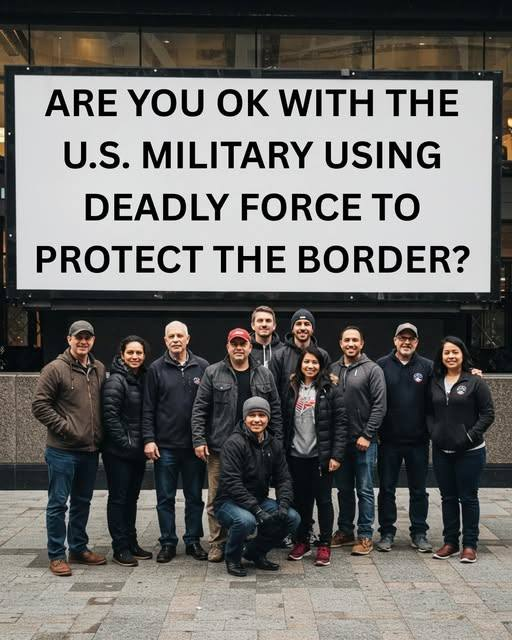
The question of whether the U.S. military should be used to help protect the border has become one of the most divisive issues in contemporary American politics. It’s a question that forces people to pause and reflect, regardless of where they stand on the matter. On the surface, it seems simple: Do we want a safe, secure nation or not? But the complexities of the issue reveal much deeper concerns that touch on national security, human rights, and the role of military power in civilian life.
This debate doesn’t just revolve around military force, but around the larger question of what kind of nation America wants to be. People want to feel safe, but they also want solutions that don’t escalate tensions or lead to unnecessary conflict. At the heart of this debate lies a shared desire for order, clarity, and leadership, yet there is no clear path forward that satisfies all sides.
In this article, we will explore the arguments for and against military involvement in border protection, examine the alternatives, and consider how America can move forward in a way that addresses both security and humanity.
Section 1: The Case for Military Involvement in Border Protection
Strength and Security
Supporters of military intervention argue that the military’s presence is necessary to maintain the security and sovereignty of the nation. The U.S. border is seen as a frontline in the defense of the nation against various threats, including drug cartels, human traffickers, and potential terrorists. With the military’s unparalleled resources, equipment, and training, it is viewed as the best equipped to handle these issues, particularly when conventional law enforcement might be overwhelmed.
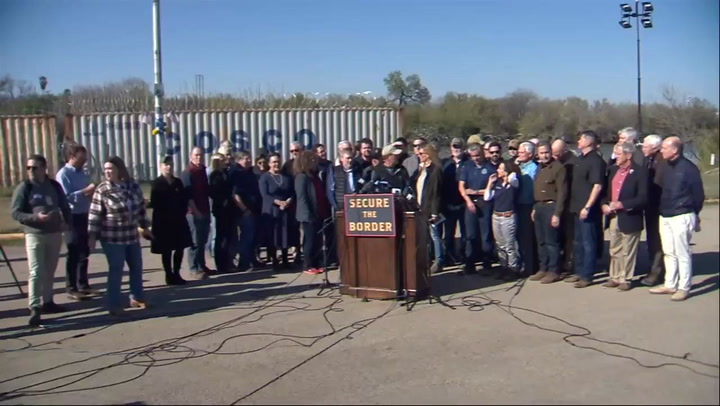
The military’s involvement, proponents argue, sends a clear message: the U.S. will not tolerate illegal border crossings, and the nation is committed to protecting its borders at all costs. The presence of armed forces is often seen as a demonstration of power, deterring potential violators and criminal organizations from attempting to cross into the country illegally.
Historical Precedents and National Security
The U.S. military has long been used in border security operations. For instance, the U.S. military was deployed during the 1846 Mexican-American War, and military forces were also involved in securing the border during times of high conflict such as World War II. In modern times, the National Guard and U.S. military personnel have supported border patrol in times of crisis. These historical instances show that when the nation faces significant border security challenges, military intervention has been considered a reasonable response.
In an era of growing concerns about national security, particularly in relation to transnational criminal organizations, many believe that military involvement offers a level of preparedness and resolve that law enforcement alone may struggle to match.
The Need for Border Enforcement in a Changing World
The United States faces new and unprecedented challenges at its southern border. These challenges include mass migration, the rise of drug cartels, and human trafficking syndicates. These issues have exacerbated tensions within communities, creating a feeling of lawlessness and vulnerability. In response, some argue that the U.S. military is the most suitable force for stabilizing the situation, particularly when local law enforcement lacks the resources and training to deal with such complex threats.
Supporters of military involvement often highlight the United States’ obligation to safeguard its citizens from external threats. National security, they argue, should not be compromised by the rising challenges at the border, and the military is essential to mitigate these risks.
Section 2: The Case Against Military Involvement
Escalating Violence and Tensions
On the other side of the debate, critics argue that military involvement in border protection could result in unnecessary violence and escalation. Military personnel are trained to engage in combat situations, not to de-escalate situations involving civilians. Opponents fear that sending soldiers to the border could create a dangerous atmosphere, particularly in areas where individuals are seeking asylum or escaping violence in their home countries.
The presence of the military could potentially result in human rights violations, such as the excessive use of force or the unlawful detention of individuals. Military personnel may lack the specialized training that law enforcement officers have in handling such delicate situations. This could lead to confrontations that might have been avoided with more nuanced approaches.
Erosion of Civil Liberties
Another concern is that militarizing the border could signal a broader erosion of civil liberties. The military is not bound by the same rules of engagement as law enforcement, and its presence could create an environment where constitutional rights are compromised. There is a fear that using military force to manage border control might encourage policies that infringe upon the rights of individuals, particularly migrants and refugees.
The Moral Cost of Militarization
For some, the use of the military is not only about practical concerns but about the moral cost of militarizing domestic issues. The core values that many Americans hold dear — justice, fairness, and compassion — are often seen as compromised when military force is used against vulnerable populations, such as children and families fleeing violence. Critics argue that there are better ways to achieve security that align more closely with the country’s foundational ideals.
Alternative Approaches: Focus on Reform
Instead of military intervention, critics argue that the U.S. should focus on comprehensive immigration reform, technological solutions, and increased support for law enforcement. Technology such as drones, sensors, and surveillance systems could be more effective and less invasive than sending soldiers to the border. The real solution, they say, lies in reforming the immigration system to allow for more legal pathways for asylum seekers and migrants, thus reducing the pressure on the border.
Critics also suggest that rather than deploying military force, the U.S. should invest in border security systems that don’t require armed intervention. This could involve bolstering law enforcement agencies with additional funding, better training, and modern equipment to monitor the border more effectively.
Section 3: Finding a Middle Ground – Smarter Strategies for Border Security
Comprehensive Immigration Reform
The key to a sustainable solution for border security likely lies not in militarizing the border, but in creating comprehensive immigration reform. Many experts believe that an overhaul of the immigration system is long overdue. By providing legal channels for migrants and refugees to enter the country, we can reduce the pressure on the border while ensuring that those who seek to enter are doing so in a way that complies with U.S. laws.
Such reform would require not only a rethinking of border security but also of the country’s asylum process, visa policies, and how it handles undocumented workers. The goal would be to create a system where the border isn’t overwhelmed and where law enforcement has clear guidance on how to handle immigration cases.
Using Technology to Supplement Traditional Methods
The U.S. government should also invest more heavily in technology to monitor the border. Drones, sensors, and advanced surveillance systems can monitor vast stretches of land without the need for military personnel to be physically present. Technology also offers a less intrusive, more humane way to control and secure the border, while ensuring that law enforcement personnel can respond to issues when they arise.
Improving Cooperation Between Law Enforcement and Military
While many are against the idea of the military taking on a primary role at the border, there is room for collaboration between the military and law enforcement agencies. The military can be called upon for assistance during times of national emergency, but it should not take the lead role in day-to-day border protection. Law enforcement, which is trained to deal with civilian issues, should remain the primary force managing the border, with the military serving as a backup force during critical situations.
Section 4: The Role of Leadership in Border Protection
At the core of the debate over military involvement at the border is the question of leadership. In times of crisis, people look to their leaders to provide clear, effective solutions. The reality is that the U.S. border situation is complex, and there are no easy answers. The solution isn’t just about whether or not the military should be involved, but about creating a comprehensive, nuanced strategy that balances security with human rights.
Leaders must take the time to listen to all sides of the debate and seek solutions that protect the country without sacrificing the values that make America a beacon of hope for so many. It’s crucial that the conversation moves beyond shouting matches and political theater, and focuses on finding common ground and long-term solutions.
Conclusion: A Shared Desire for Security
Ultimately, what Americans want is clear: safety, security, and a functioning country. Whether through military involvement, technology, or reform, the goal remains the same — a secure border that respects human dignity and works for the betterment of the nation.
The debate will continue, but it’s essential that it be grounded in respect, empathy, and a genuine desire to find solutions. Everyone has a role to play in shaping the future of border security, and it’s time for the conversation to move past division and toward the common goal of creating a country that works for all.