Leonardo DiCaprio and the Film He Never Revisited: Why Titanic Lives On Without Him Watching It
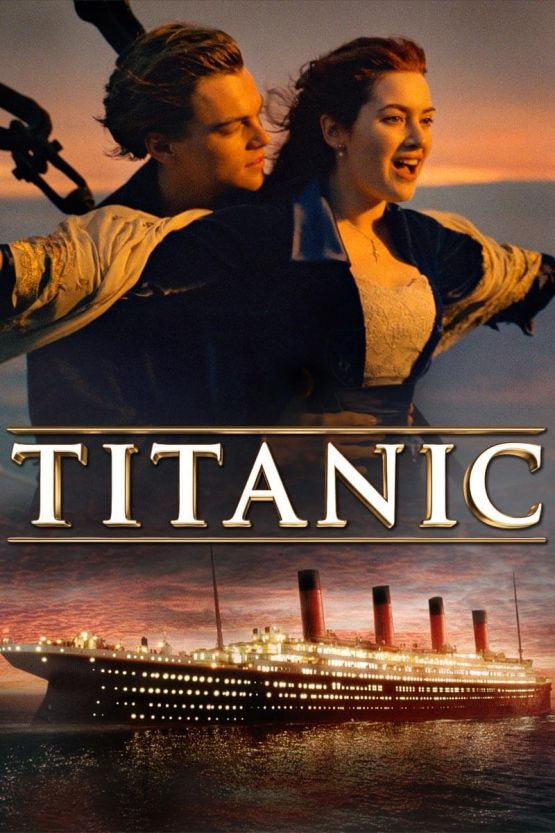
For most actors, there is at least one film they return to—out of nostalgia, pride, or simple curiosity. For Leonardo DiCaprio, however, that instinct barely exists. Even when it comes to Titanic, one of the most iconic and beloved films in cinema history, DiCaprio insists he has never sat down to rewatch it.
It’s a revelation that feels almost impossible to believe. Titanic defined a generation, launched global fan hysteria, and cemented DiCaprio as a cultural phenomenon. Yet for the man at the center of it all, the film remains something he lived through—not something he revisits.
A Candid Moment Between Two Stars
The confession surfaced during an episode of Actors on Actors, a collaboration between Variety and CNN, where DiCaprio sat down with Jennifer Lawrence. The conversation was relaxed, humorous, and surprisingly introspective.
At one point, Lawrence asked a question fans have probably wondered about for decades: Had he ever rewatched Titanic?
DiCaprio’s answer was immediate and blunt:
“No. I haven’t seen it before.”
Lawrence, clearly amused, pushed back gently. “Oh, you should. I bet you could watch it now—it’s so good.”
But DiCaprio wasn’t convinced. “I don’t really watch my films,” he replied, turning the question back on her.
Lawrence agreed, joking that she rarely watches her own work either—though she admitted to once drunkenly putting on American Hustle just to see if she was any good at acting. DiCaprio laughed along, but his stance remained firm: watching himself on screen simply isn’t something he does.
Why DiCaprio Avoids His Own Movies
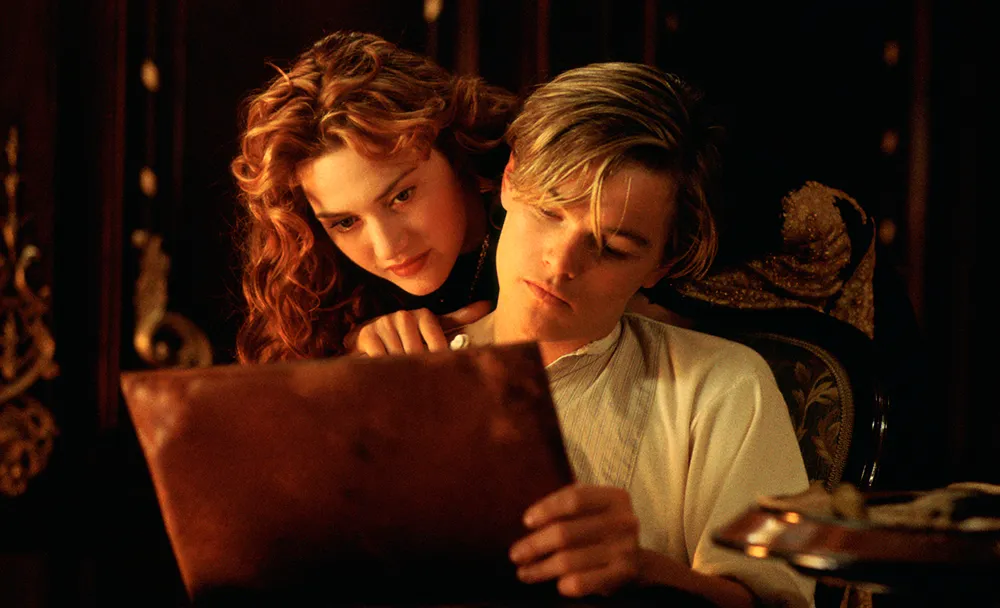
This isn’t a new position for DiCaprio. Over the years, he has consistently said that revisiting his own performances makes him uncomfortable. For him, films are not finished products to admire—they’re experiences tied to a specific time, mindset, and stage of life.
In an interview with Esquire in August, DiCaprio told director Paul Thomas Anderson that he “rarely” watches any of his films. Once a project is complete, he prefers to move forward rather than look back.
There is, however, one notable exception.
The One Film He Has Rewatched
If Titanic remains unseen, one film does hold a special place in DiCaprio’s memory: The Aviator.
“I’ve watched that one more than others,” DiCaprio admitted. And the reason had little to do with box office success or public reception. The Aviator represented a turning point.
Directed by Martin Scorsese, the film chronicled the life of Howard Hughes—a role DiCaprio had been attached to for nearly a decade before the project finally came together. By the time cameras rolled, DiCaprio was 30 years old and ready to take on something more than just another starring role.
“It was the first time as an actor I felt implicitly part of the production,” he explained. “Not just an actor hired to play a role.”
That sense of responsibility—of collaboration rather than performance—marked a moment of artistic maturity. The Aviator wasn’t just a movie; it was a milestone in DiCaprio’s evolution.
Titanic: A Phenomenon Beyond Prediction
The irony, of course, is that Titanic was the film that changed everything.
Directed by James Cameron, the 1997 epic became one of the highest-grossing movies of all time and remains a defining cultural landmark. Starring DiCaprio opposite Kate Winslet, the film transformed both young actors into global icons overnight.
Yet DiCaprio has always spoken about Titanic as an experiment—one neither he nor Winslet fully understood the scale of at the time.
“We’d done all of these independent movies,” DiCaprio told Deadline in 2016. “I loved her as an actress, and she said, ‘Let’s do this together. We can do this.’ We did it, and it became something we could’ve never foreseen.”
The explosion of fame that followed was overwhelming. For DiCaprio, the success of Titanic wasn’t something to bask in—it was something to survive.
Fame, Pressure, and the Need to Recenter
In the years following Titanic, DiCaprio made a deliberate choice to step away from blockbuster expectations. Rather than chase roles that mirrored Jack Dawson’s romantic heroism, he pivoted toward challenging, often darker characters.
“I knew it was going to be an adjustment,” he said. “There was an expectation of me to do a certain thing at that point, and I knew I had to get back to what my intentions were from the onset.”
Those intentions led him to work repeatedly with Scorsese, take on morally complex roles, and build a career defined by range rather than repetition. In that context, rewatching Titanic might feel less like nostalgia and more like reopening a chapter he worked hard to move beyond.
An Actor Focused on the Process, Not the Result
What DiCaprio’s comments reveal isn’t indifference toward Titanic, but a deeper philosophy about acting itself. For him, the meaning of a film exists in the making—in the preparation, the collaboration, the risk—not in the finished image projected back at him.
Watching himself on screen offers little insight into who he is now. Each role represents a past version of himself, tied to specific circumstances and creative needs that no longer exist.
In that sense, Titanic doesn’t need to be rewatched. Its legacy speaks for itself.
Why Fans Still Care—and Always Will
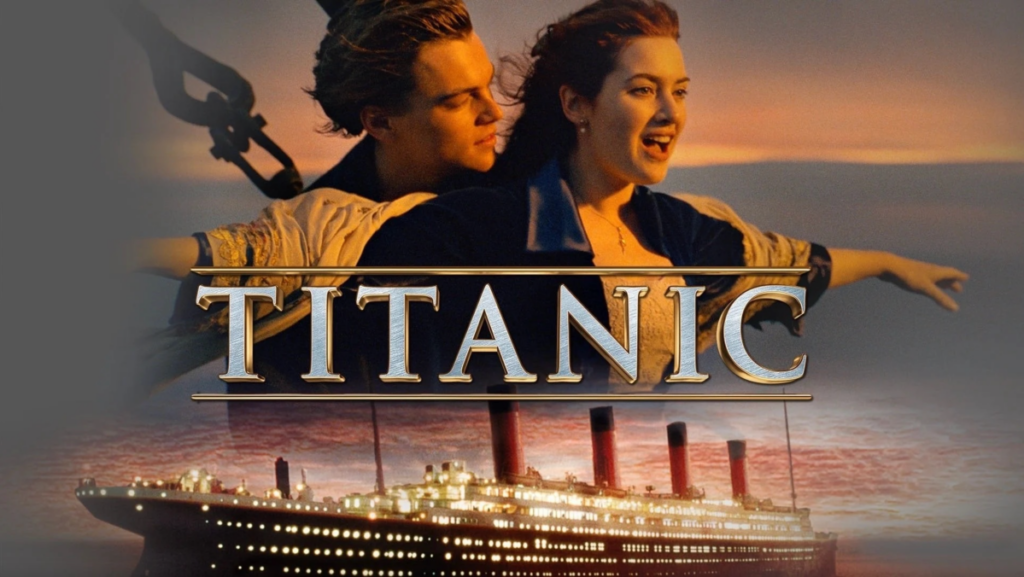
For audiences, Titanic remains endlessly rewatchable. It’s a story of love, loss, and human vulnerability wrapped in spectacle and emotion. Jack Dawson’s outstretched arms at the bow of the ship are etched into pop culture history.
That DiCaprio has never revisited the film almost makes it more powerful. The character belongs entirely to the audience now—untouched by retrospection, preserved in time.
A Legacy That Doesn’t Require Looking Back
Leonardo DiCaprio’s refusal to rewatch Titanic isn’t a rejection of the film. It’s a testament to how fully he lives in the present—and how fiercely he guards his creative momentum.
Some artists look back to understand themselves. DiCaprio looks forward.
And perhaps that’s why Titanic endures as a timeless artifact of cinema—while the man who helped create it continues to evolve, never needing to revisit the moment that made him famous.
For DiCaprio, the ship has already sailed. For the rest of us, it never will.