🎬 MEMORY OF A KILLER
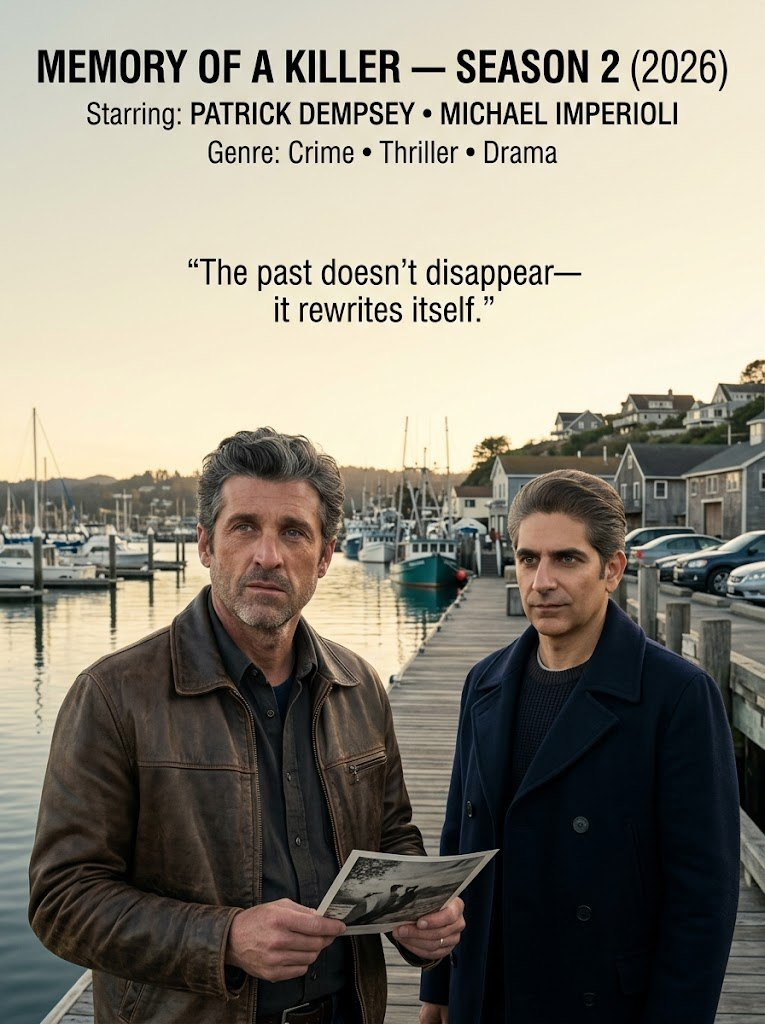
Some memories refuse to stay buried.
Memory is supposed to protect us.
It tells us who we are, where we’ve been, and what we’ve survived.
But in Memory of a Killer (2026), memory becomes something far more dangerous — a weapon capable of distorting truth, erasing guilt, and creating monsters where certainty once lived.
This psychological thriller doesn’t announce itself with explosions or spectacle. Instead, it tightens its grip slowly, patiently, pulling the audience into a fractured mind where every remembered detail is suspect and every forgotten moment may hide something unforgivable.
At the center of the film is a man haunted not by what he remembers — but by what he can’t trust himself to recall.
Patrick Dempsey leads the cast in a role that strips away familiarity and charm, replacing it with quiet unease and psychological volatility. His character exists in a constant state of internal conflict, caught between flashes of violent imagery and moments of apparent normalcy. He knows he has done something terrible. What he doesn’t know — and what terrifies him — is how much.
The film opens not with action, but with disorientation. Time feels unstable. Scenes blur at the edges. Conversations echo in ways that feel slightly off. From the very beginning, the audience is placed inside a mind that can no longer tell the difference between memory and imagination. The result is an atmosphere of persistent dread — not because danger is visible, but because it may already be too late.
As fragments of the past begin to surface, the story reveals itself as deeply character-driven. Violence exists, but it is never glorified. Each act carries psychological weight, leaving scars not just on victims, but on the mind of the one who may have committed them. The film asks a chilling question: If you can’t remember your crimes, are you still responsible for them?
Odeya Rush plays a crucial counterbalance to Dempsey’s unraveling presence. Her character is intelligent, observant, and emotionally grounded — someone searching for truth in a landscape where facts keep dissolving. But she is not immune to the distortion. The closer she gets to the truth, the more she must question her own assumptions. In Memory of a Killer, no perspective is safe, and no witness is completely reliable.
Richard Harmon adds another layer of tension, portraying a character whose role shifts constantly between ally, threat, and possible projection. His presence sharpens the film’s ambiguity. Is he a key to the truth? A manipulator? Or simply another piece of memory reconstructed incorrectly? The film refuses to answer these questions easily, forcing the audience to sit with discomfort rather than resolution.
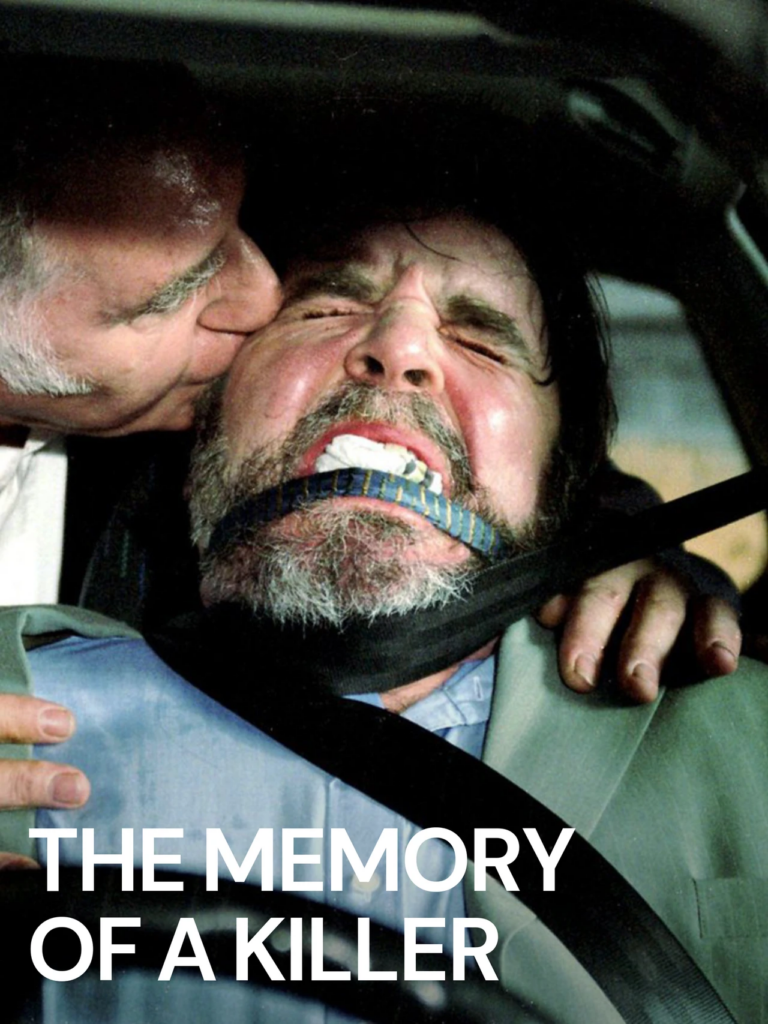
What makes Memory of a Killer stand out in the crowded psychological thriller genre is its restraint. The tension is built not through rapid twists, but through performance and atmosphere. Silence is used as aggressively as dialogue. Long pauses linger just long enough to feel wrong. The camera often stays uncomfortably close, trapping the viewer inside moments that beg to be escaped.
The story unfolds like a puzzle missing several crucial pieces — and the terrifying possibility that those pieces were removed intentionally. Each revelation doesn’t bring clarity; it raises darker questions. A recovered memory doesn’t feel like relief. It feels like an accusation.
The film also explores the idea of identity as something fragile and conditional. If memory defines who we are, what happens when memory lies? Can a person reinvent themselves simply by forgetting? Or does the truth always resurface, demanding recognition no matter the cost?
As the narrative deepens, the past begins to behave like a living force — resurfacing at inconvenient moments, reshaping relationships, and pushing characters toward decisions they may not survive. Memory is no longer passive recollection; it is active, hostile, and unpredictable. In this world, forgetting may feel like mercy, but remembering could be a death sentence.
There are no easy heroes in Memory of a Killer. Morality is blurred, motives are compromised, and justice feels disturbingly flexible. The film refuses to offer comfort in absolution or certainty. Instead, it confronts the audience with the unsettling reality that truth can be subjective — especially when filtered through trauma, guilt, and fear.
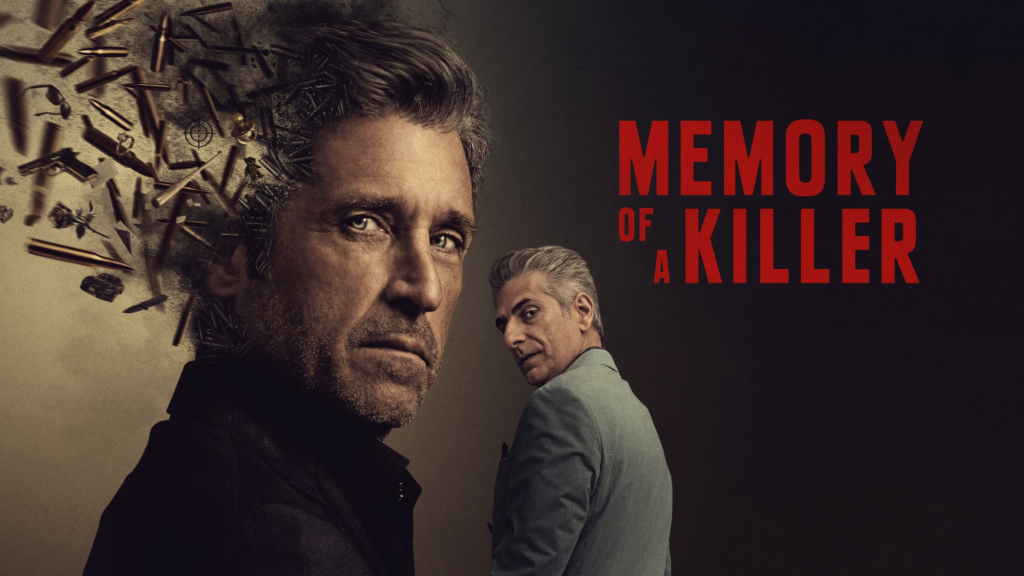
Visually, the film mirrors its themes. Muted tones, shadow-heavy compositions, and subtle visual distortions reinforce the sense that reality itself is unstable. Reflections appear slightly warped. Familiar spaces feel alien. Even moments of calm carry a lingering threat, as if violence is waiting just outside the frame.
As the final act approaches, the tension tightens to an almost unbearable level. Pieces begin to align — but alignment does not equal peace. When the truth finally emerges, it doesn’t arrive with clarity or triumph. It arrives with consequence. And the cost of knowing proves just as devastating as the cost of forgetting.
Memory of a Killer (2026) is not a film that answers all its questions. It is a film that leaves marks — on its characters and on its audience. It challenges viewers to consider how much of themselves exists only because they remember… and how terrifying it would be to lose that control.
With a powerhouse cast led by Patrick Dempsey, supported by Odeya Rush and Richard Harmon, the film promises a psychological descent that values tension over noise and character over spectacle. This is a thriller that lingers long after the credits roll — not because of what it shows, but because of what it forces you to question.
🧠 When memory fails… who controls the truth?
🩸 When the past resurfaces… can it be stopped?
Memory of a Killer (2026) dares to suggest that the most dangerous place for a killer to hide…
is inside his own mind.
The Alphabet Killer, based on true events. True story HD