WALKER, TEXAS RANGER
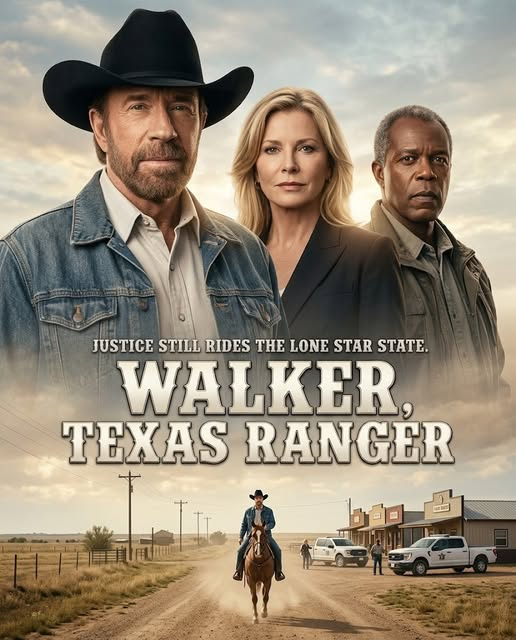
In the golden age of 1990s television, when action heroes dominated the small screen, few shows captured the imagination quite like Walker, Texas Ranger. Premiering on CBS on April 21, 1993, and running for nine seasons until May 19, 2001, the series delivered 203 episodes of high-octane martial arts, old-school Western justice, and unapologetic moral storytelling. At its heart was Chuck Norris as Cordell Walker, a modern-day Texas Ranger who became a cultural phenomenon and turned Norris into one of the most recognizable action stars of his generation.
The show was inspired by Norris’s earlier film Lone Wolf McQuade (1983), in which he also played a Texas Ranger. Created by Leslie Greif and Paul Haggis, Walker, Texas Ranger blended elements of the classic Western with contemporary crime drama. It followed Sergeant Cordell Walker, a no-nonsense lawman based in the Dallas-Fort Worth area, who believed in the “Code of the Old West.” Walker didn’t just arrest criminals—he delivered justice with his fists, feet, and an unyielding sense of right and wrong. Raised partly on a Cherokee reservation by his uncle Ray Firewalker after losing his parents, Walker carried a deep respect for Native American traditions, martial discipline, and community values.
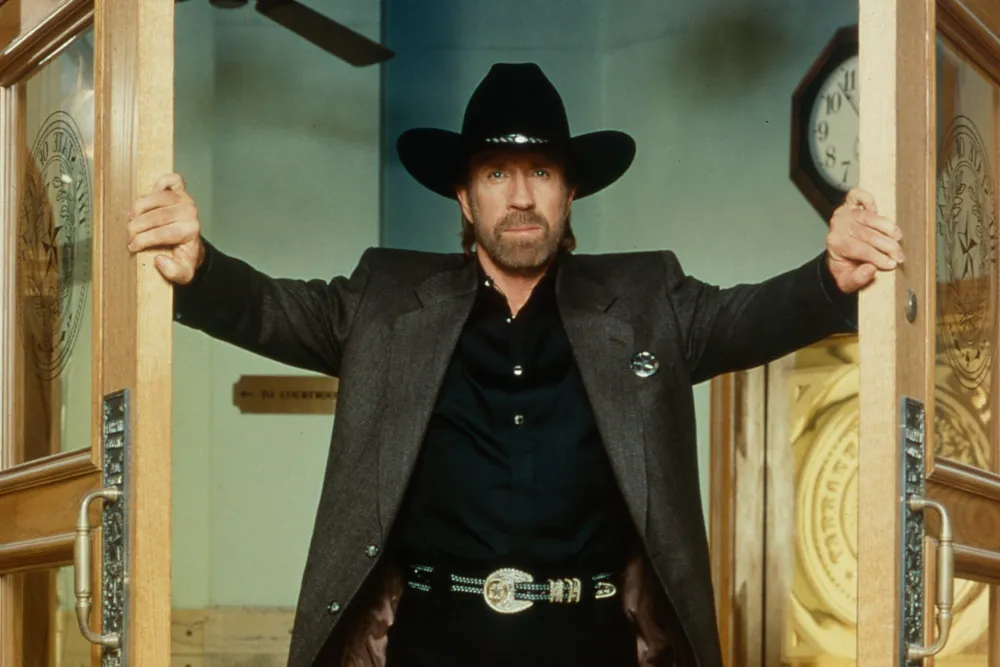
Each episode typically featured a self-contained “crime of the week,” ranging from drug cartels and corrupt officials to human trafficking, domestic violence, and terrorism. Yet the stories always circled back to core themes: protecting the innocent, honoring family and heritage, and proving that good ultimately triumphs over evil. Walker’s signature style—delivering devastating roundhouse kicks, spinning backfists, and dramatic flying maneuvers—made fight scenes legendary. These sequences were practical, raw, and often shot in long takes, showcasing Norris’s genuine black-belt expertise rather than relying on heavy CGI.https://www.youtube.com/watch?v=y38X0YHLERs
Walker was never a lone wolf. His partner, Ranger James “Jimmy” Trivette (Clarence Gilyard Jr.), provided the perfect foil: tech-savvy, witty, and more by-the-book, yet fiercely loyal. Their banter and brotherly chemistry added heart and humor to the intense action. Assistant District Attorney Alex Cahill (Sheree J. Wilson), Walker’s eventual love interest, brought intelligence, strength, and emotional depth as a tough prosecutor who often found herself in danger. C.D. Parker (Noble Willingham), a retired Ranger and restaurant owner, served as the group’s wise mentor and comic relief, offering sage advice over plates of Texas barbecue.
Later seasons introduced younger Rangers Gage (Judson Mills) and Sydney (Nia Peeples), injecting fresh energy while maintaining the show’s core formula. Guest stars ranged from up-and-coming actors (including a young Mila Kunis in one memorable episode) to veteran character actors, keeping the cast dynamic across nearly 200 episodes.
Production-wise, the series had a rocky start. The first season consisted of just three pilot episodes due to funding issues, but strong viewer response led CBS to order a full second season. Chuck Norris’s own company, Top Kick Productions (later Norris Brothers Entertainment), took over production from season two onward, giving him greater creative control. This shift helped the show evolve from a straightforward action vehicle into a more character-driven series that occasionally tackled social issues such as racism, environmental threats, and the struggles of Native American communities.
What made Walker, Texas Ranger stand out in the crowded 1990s TV landscape was its refreshing simplicity and positivity. In an era when many shows embraced moral ambiguity or anti-heroes, Walker remained steadfastly heroic. He rarely used guns unless absolutely necessary, preferring hand-to-hand combat that emphasized skill, honor, and restraint. The series avoided graphic violence, profanity, and drug use among its heroes, presenting a clean, family-friendly brand of action that appealed to broad audiences, including children and conservative viewers.
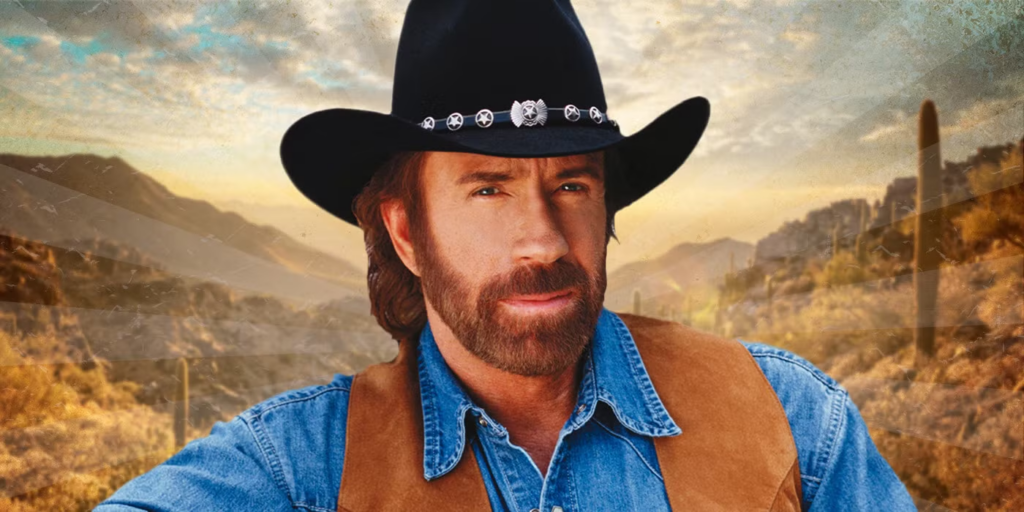
The show’s cultural impact was enormous. It aired in over 100 countries, becoming a global sensation. In the United States, it consistently drew millions of viewers on Saturday nights, often ranking among CBS’s top programs. Chuck Norris’s larger-than-life persona spawned countless memes, jokes, and “Chuck Norris Facts” that persist to this day—many inspired directly by Walker’s superhuman feats on screen. The series also boosted tourism and pride in Texas culture, with its sweeping shots of ranches, pickup trucks, cowboy hats, and the iconic “One Riot, One Ranger” ethos.
Musically, the show had a distinctive sound. Early seasons featured a powerful orchestral theme, while later episodes included country-rock tracks, some even performed or co-written by Norris himself. The opening credits, with Walker riding horseback or walking determinedly through the Texas landscape, became instantly recognizable.
Beyond the weekly cases, the series built long-running arcs. Viewers followed Walker and Alex’s slow-burn romance, which culminated in a dramatic wedding storyline. Personal tragedies, such as the loss of loved ones and battles with internal demons from Walker’s Vietnam War past (he served in Marine Recon), added layers to the characters. Episodes often ended with Walker imparting a life lesson or sharing a quiet moment of reflection, reinforcing the show’s moral compass.
In 2005, a television movie titled Walker, Texas Ranger: Trial by Fire attempted to continue the saga. It picked up after the series finale but ended on a cliffhanger that was never resolved, leaving fans hungry for more. Decades later, the original series remains widely available on streaming platforms like Peacock, Hulu, Pluto TV, and various syndication channels. Complete DVD box sets preserve the full run, including the pilot episodes sometimes split for syndication.
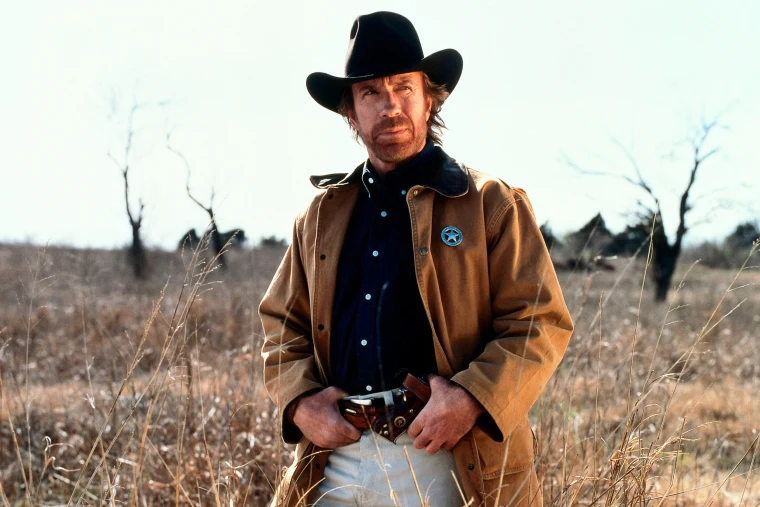
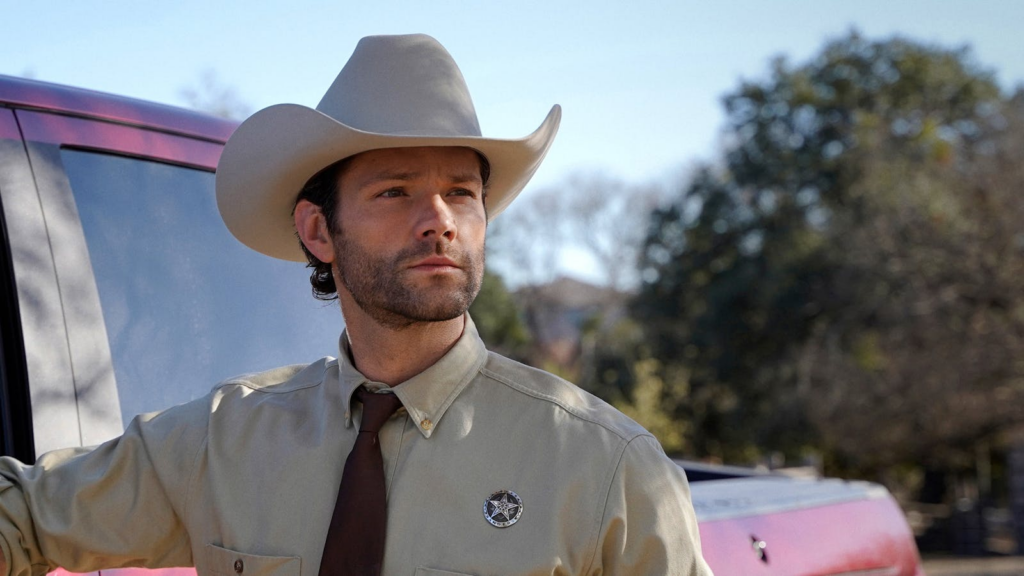
Of course, no discussion of Walker, Texas Ranger is complete without addressing the 2021 reboot simply titled Walker, starring Jared Padalecki. While it shares the name and Texas Ranger setting, the reboot is dramatically different. The new series focuses heavily on family drama, grief, and modern social issues. Padalecki’s Cordell Walker is a widowed father navigating relationships with his children and extended family, with far less emphasis on martial arts and explosive action. Fans of the original often note the absence of the classic “Walker stomp” fight scenes and the shift away from the clear-cut heroism that defined Norris’s portrayal. Chuck Norris reportedly gave his blessing to the project, acknowledging it as a fresh interpretation for a new generation.
Looking back, Walker, Texas Ranger represents a simpler, more optimistic era of television. It celebrated American values—courage, integrity, community, and self-reliance—without irony or cynicism. Chuck Norris didn’t just play a hero; he embodied one, both on and off screen. His commitment to martial arts education, charitable work, and positive role modeling mirrored the character he portrayed for eight memorable years.
Even today, the series holds up as pure escapist entertainment. Whether you’re discovering it for the first time or revisiting old favorites, Walker, Texas Ranger delivers what it promises: justice served Texas-style, one roundhouse kick at a time. In a world that sometimes feels overly complicated, there’s something deeply satisfying about watching Cordell Walker stride into trouble, knowing that by the end of the hour, the bad guys will be on the ground and the good guys will stand tall under the Lone Star sky.
For fans of classic action, 1990s nostalgia, or anyone who appreciates a hero who fights fair and wins decisively, Walker, Texas Ranger remains essential viewing. Saddle up, turn on an episode, and prepare to feel the power of Texas Ranger justice.