Ouija 2 (2026)
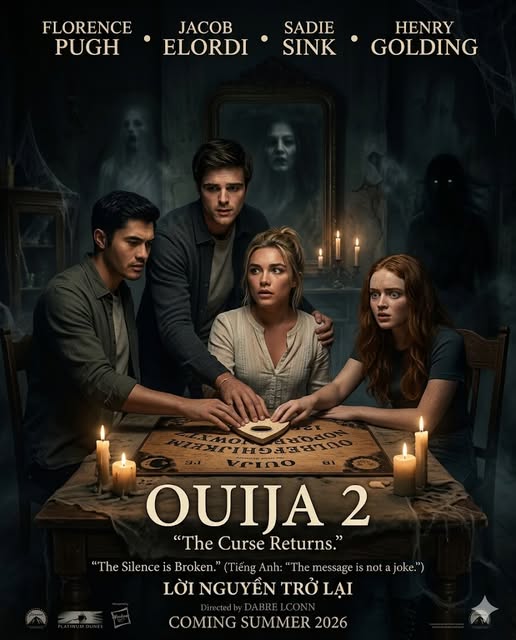
Comprehensive Introduction to Ouija: Origin of Evil – The True Source of the Demon
If you’re a fan of supernatural horror, you absolutely cannot miss Ouija: Origin of Evil (also known as Ouija 2). Released on October 21, 2016, the film was directed and co-written by Mike Flanagan (along with Jeff Howard). It serves as the official prequel to the 2014 movie Ouija. Produced on a modest budget of $9–12 million, it grossed over $81 million worldwide — proof that the film’s appeal far exceeded its modest resources. Far more than just another entry in Hasbro’s Ouija board franchise, Ouija: Origin of Evil earned critical praise for elevating the series from standard commercial horror into a psychologically rich, technically impressive work.
The story is set in 1967 Los Angeles — a time when hippie culture, counterculture movements, and fascination with the occult were flourishing. This deliberate choice by director Mike Flanagan gives the film a distinctive retro atmosphere that feels completely different from the modern setting of the first film. Running 99 minutes, Ouija: Origin of Evil is a supernatural horror film that masterfully blends possession horror, family drama, and spiritual deception.
Plot – From Harmless Scam to Real Nightmare
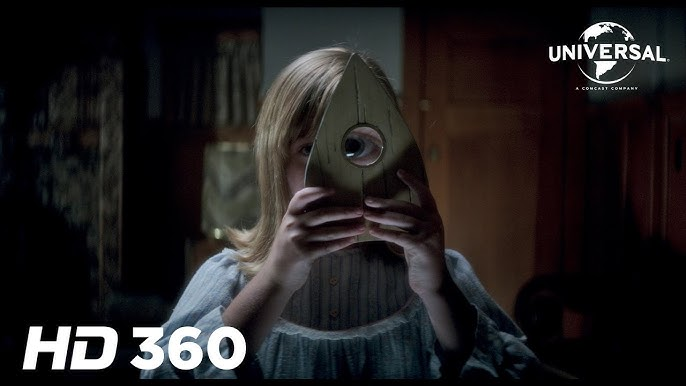
Alice Zander (Elizabeth Reaser) is a widowed mother struggling to support her two daughters — Lina (Annalise Basso) and Doris (Lulu Wilson) — after her husband’s death. To make ends meet, she runs a “spirit communication” business from their home. Everything is fake: hidden wires, dim lighting, whispered voices… Yet Alice genuinely believes she is helping grieving clients heal.
One day, Lina suggests buying a real Ouija board to make their séances feel more authentic. The board is purchased from an ordinary toy store, but when the family tests it, young Doris — a sweet, innocent 9-year-old — accidentally opens a door to the other side. What begins as a harmless game quickly spirals into a living nightmare: Doris becomes possessed by a malevolent spirit named Marcus. The once angelic child transforms into a terrifying presence with an unnatural voice, superhuman strength, and horrifying behavior.
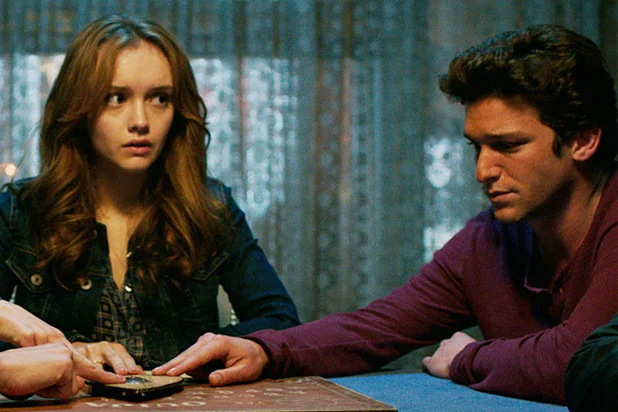
The Zander family is forced to confront a brutal truth: their harmless scam has invited real evil into their home. Father Tom (Henry Thomas), a priest, is called in for help, but even he cannot anticipate the full extent of the danger. The film gradually reveals the demon’s horrifying origins — tied to dark medical experiments conducted during World War II that took place in the basement of their very house. Without spoiling key twists, the story delivers shocking revelations about the family’s past and the true power of the Ouija board.
Flanagan expertly builds slow-burning tension in the first half, focusing on family bonds, grief, and loneliness. The second half explodes with carefully crafted jump-scares, haunting imagery, and relentlessly escalating dread. The scenes of Doris’s transformation and her chilling monologue about being strangled are among the most memorable sequences in recent horror cinema.
Outstanding Cast – The Film’s Real Highlight
Elizabeth Reaser delivers a deeply emotional performance as Alice Zander. She portrays not just a vulnerable widow but a fiercely protective mother willing to sacrifice everything for her children. Nine-year-old Lulu Wilson steals the entire movie with her extraordinary acting. She shifts seamlessly from innocent angel to terrifying demon in the blink of an eye. Many viewers agree that Wilson “owns” the film, especially in the possession sequences.
Annalise Basso is convincing as Lina — the teenage daughter who must protect her younger sister while grappling with the ugly reality of her mother’s fraudulent business. Henry Thomas (famous for E.T.) brings warmth and helplessness to the role of the priest. Supporting cast members, including Doug Jones and Kate Siegel (Flanagan’s real-life wife), help create an authentic 1960s atmosphere.
Director Mike Flanagan and His Signature Style
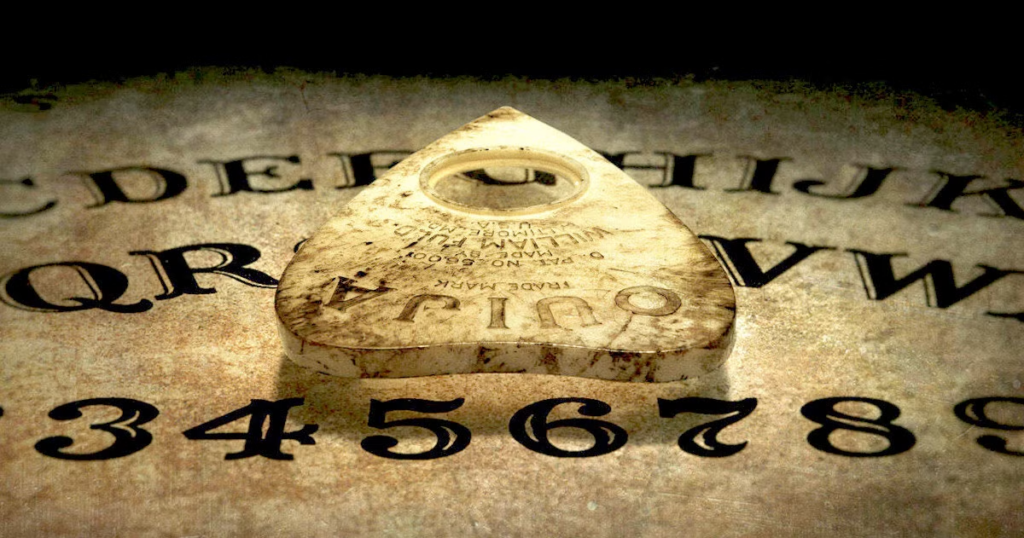
At this point in his career, Mike Flanagan had not yet become the “king of modern horror” known for The Haunting of Hill House, Doctor Sleep, and Midnight Mass. However, Ouija: Origin of Evil clearly showcased his talent: masterful atmosphere-building, deep character focus, and purposeful use of jump-scares rather than cheap gimmicks. Shot digitally but meticulously post-processed to mimic old celluloid film — complete with artificial cigarette burns every 20 minutes, film grain, and warm 1960s color grading — the movie feels both modern and nostalgically vintage.
The Newton Brothers’ haunting score combined with brilliant sound design (whispers, the creaking Ouija board, eerie silence) creates a deep psychological terror. The film doesn’t rely on gore; instead, it taps into primal fears of loss, betrayal, and the danger of playing with forces we don’t understand.
Deeper Themes Than You Expect
Ouija: Origin of Evil is far more than just another “demon possession” movie. It explores:
- Family and love: The mother-daughter bond is portrayed with genuine warmth, making the demonic attacks even more heartbreaking.
- Spiritual fraud: The film criticizes fake mediums and psychics while acknowledging that people sometimes need belief to survive grief.
- The real power of the Ouija board: Drawing on the actual history of the spirit board (sold as a family game since the 1890s), the movie reminds viewers of the unbreakable rules: never play alone, never play in a cemetery, and always say “goodbye.”
Critical and Audience Reception
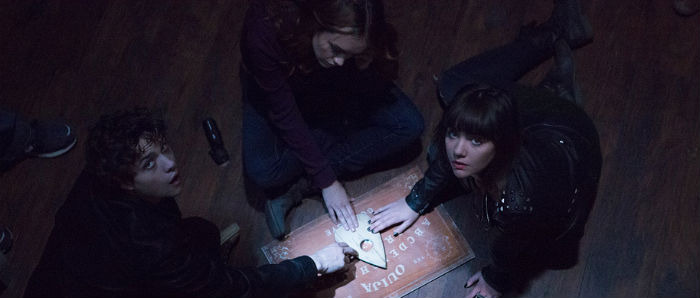
On Rotten Tomatoes, the film earned a solid 70% from critics and over 60% from audiences — significantly higher than the first film’s 20–30% scores. RogerEbert.com praised its deliberate pacing reminiscent of 1970s horror. Empire Magazine called it “a huge surprise” for the franchise. In Vietnam, upon its 2016 theatrical release, audiences hailed it as one of the best Halloween releases that year, especially praising Lulu Wilson’s performance and the genuinely terrifying atmosphere.
IMDb gives it 6.2/10, yet many horror fans consider it the strongest entry in the Ouija series — often rated much higher than the original. Its box-office success proved that the Blumhouse (Jason Blum) + Platinum Dunes (Michael Bay) + Hasbro formula still works brilliantly.
Why You Should Watch It Today
Compared to the first film (which focused on modern teenagers and relied heavily on jump-scares), Ouija: Origin of Evil is slower, more character-driven, and provides the true origin story for everything that happened in Part 1 (especially Lin Shaye’s character). If you enjoy The Conjuring, Insidious, or Hereditary, this film will satisfy you with its “slow-burn horror” style while still delivering plenty of scares.
Reasons to watch right now:
- Outstanding child acting, especially from Lulu Wilson.
- Beautiful and unsettling 1960s atmosphere.
- Smart, original screenplay full of surprises.
- Perfect mix of tension and emotional depth.
- Ideal for a late-night solo viewing… if you dare!
In short, Ouija: Origin of Evil is not just entertaining horror — it’s a chilling reminder not to toy with the other side. If you’re looking for a movie that scares you while making you think, this is the perfect choice. Turn off the lights, prepare yourself, and remember: when you speak to the other side, you can never be sure exactly who is listening.