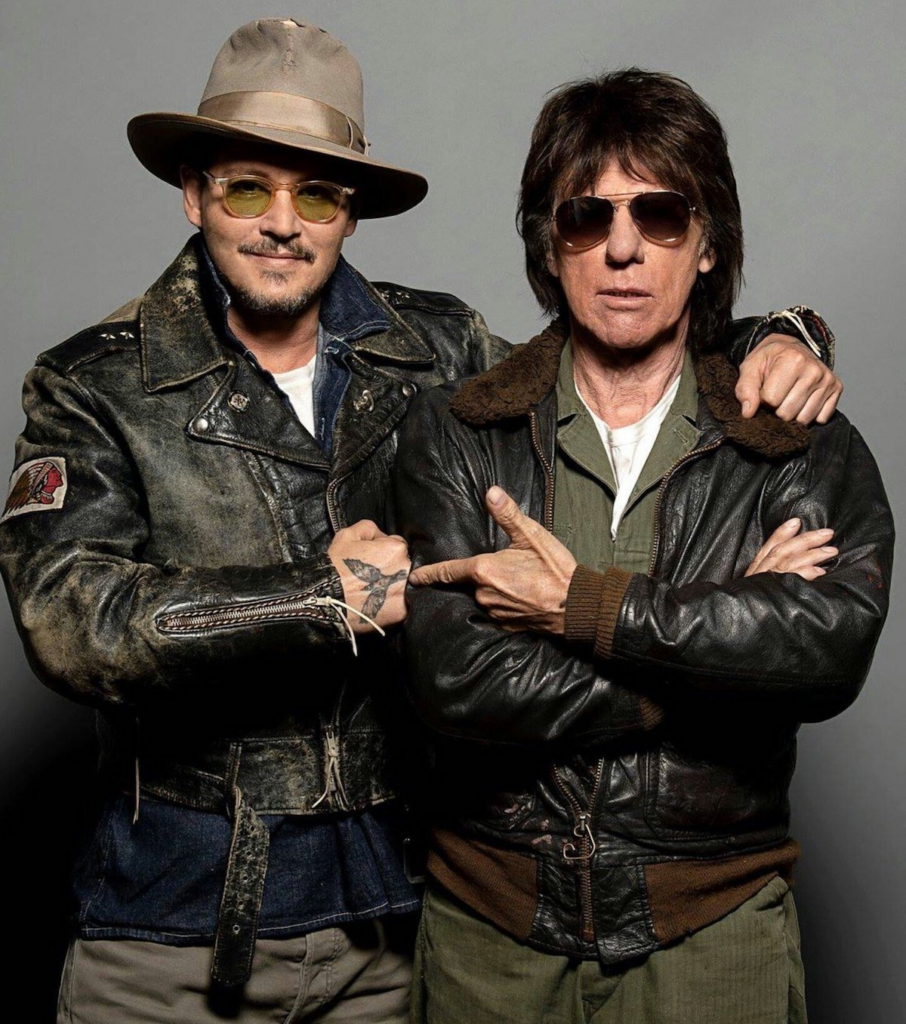
“Beck made Depp’s second life sound young again.” – Johnny Depp Ignites Jeff Beck’s 13-Song 18 Album as 1 Sandra Beck Cover Recast Them as Rockabilly Teens Forever became the kind of music story Hollywood could never fake.
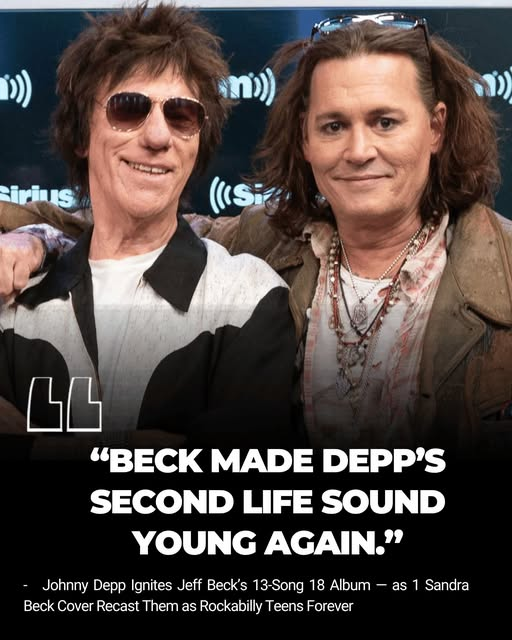
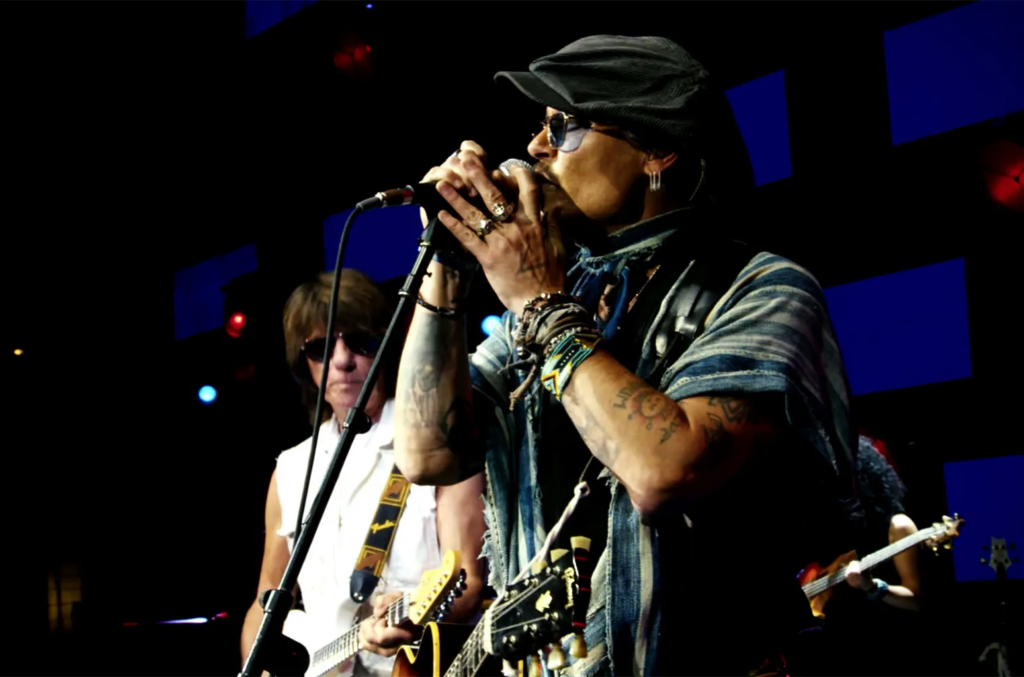
By the time 18 arrived on July 15, 2022, Johnny Depp and Jeff Beck were no longer an odd celebrity pairing. They had turned friendship into a full-length artistic risk. What looked, at first glance, like a side project soon felt much deeper, because Beck openly said the album made both men feel young again.
That single idea gave the record its emotional charge, and it also explained why the collaboration landed with such unusual warmth.
This was not just a famous actor borrowing credibility from a guitar legend, or a rock icon chasing headlines through an unexpected partner.
Instead, 18 played like two men reaching backward toward the restless spark that first made music feel dangerous, thrilling, and worth chasing.
Beck’s words carried weight because he was not describing a slick marketing concept or an industry-crafted crossover experiment.
He was talking about energy, instinct, and the strange creative rebirth that can happen when the right partnership makes age feel briefly irrelevant.
With Depp beside him, Beck suggested the sessions pulled both of them closer to the reckless, hungry spirit of youth.
Sandra Beck’s cover art pushed that idea into something unforgettable by imagining Johnny Depp and Jeff Beck as 18-year-old rockabillies.
It was more than a visual gimmick, because the image gave the album a face that matched its emotional promise.
The cover did not show two veterans clinging to former glory.
It showed two artists recast as teenagers, suspended forever in the electricity of beginnings.
Across 13 tracks, Depp did more than simply appear as a guest with a recognizable name.
He stepped into the record with commitment, taking lead vocals on “This Is a Song for Miss Hedy Lamarr” and helping shape the album’s identity.
That mattered because 18 needed to feel like a real collaboration, not a famous friendship captured for novelty.
For Depp, the album also carried the feeling of a second life, a phrase that hangs heavily over the project’s reception.
His voice, presence, and chemistry with Beck helped turn the record into something more reflective than flashy, more personal than promotional.
The result was an album where reinvention did not scream for attention, but quietly insisted on being heard.
Then time gave the record an even deeper meaning no one could fully control when it was released.
After Jeff Beck died at 78, 18 stood as his final studio statement, which instantly transformed every track into part of his closing chapter.
That ending makes the album resonate differently now, because what once sounded like renewal also carries the ache of farewell.
Seen in that light, Beck’s remark about feeling young again becomes even more moving.
He was not just celebrating a burst of creative energy; he was capturing a final season in which music still made life feel newly possible.
And with Johnny Depp beside him, that feeling became permanent, frozen in 13 songs and one cover image that refused to let either man grow old.