Glory (1989): An Epic Tale of Courage and Sacrifice in the Civil War
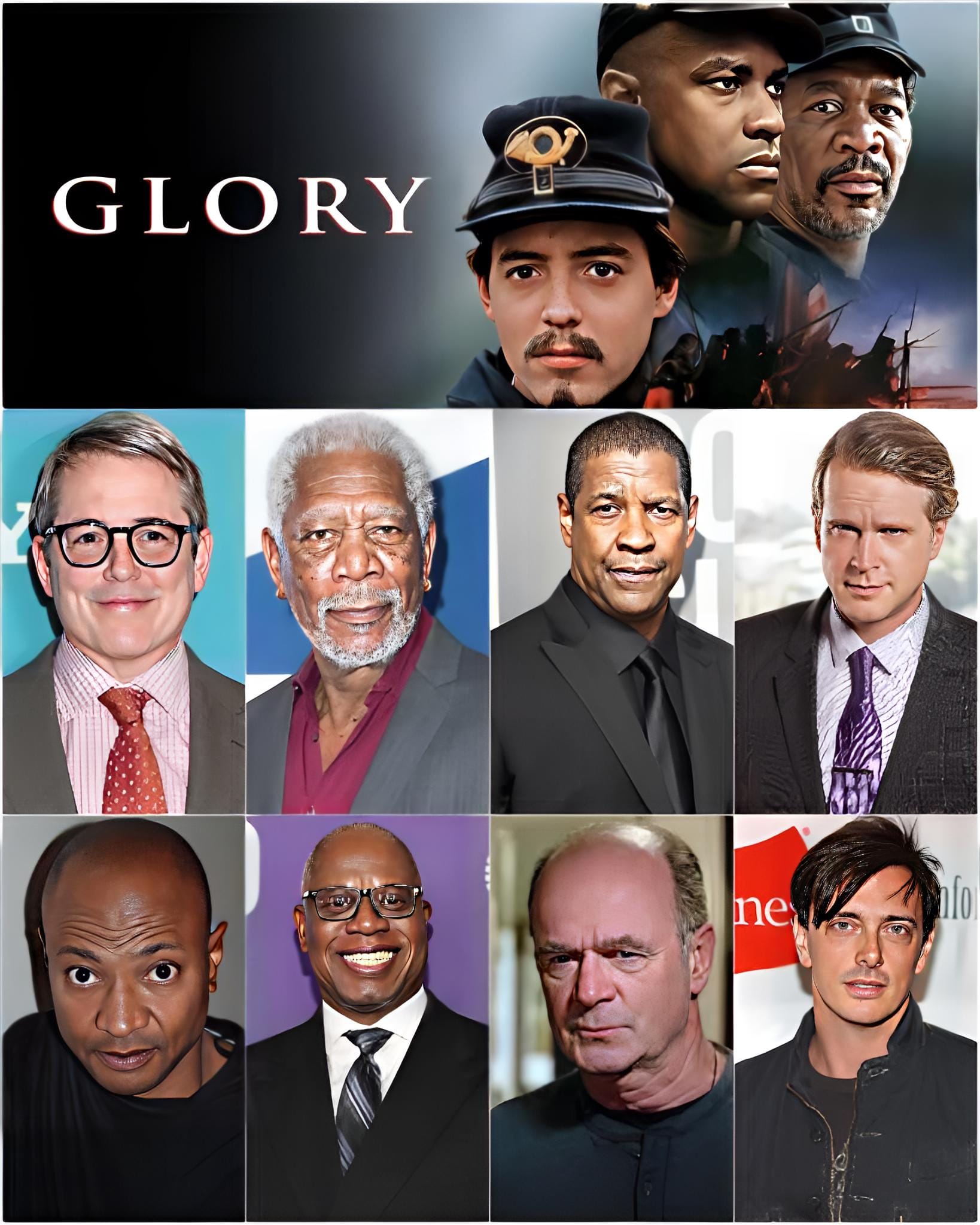
Prepare to step into a heroic chapter of history with Glory (1989), an emotionally charged war epic that chronicles the journey of the 54th Massachusetts Volunteer Infantry Regiment, one of the first all-Black military units in the American Civil War. Directed by Edward Zwick and featuring a stellar cast including Matthew Broderick, Denzel Washington, and Morgan Freeman, Glory is more than a war film—it’s a powerful tribute to bravery, unity, and the fight for equality. Here’s everything you need to know about Glory—from its origins and plot to its cast, production details, and its enduring cultural legacy.
The Legacy of Glory (1989)
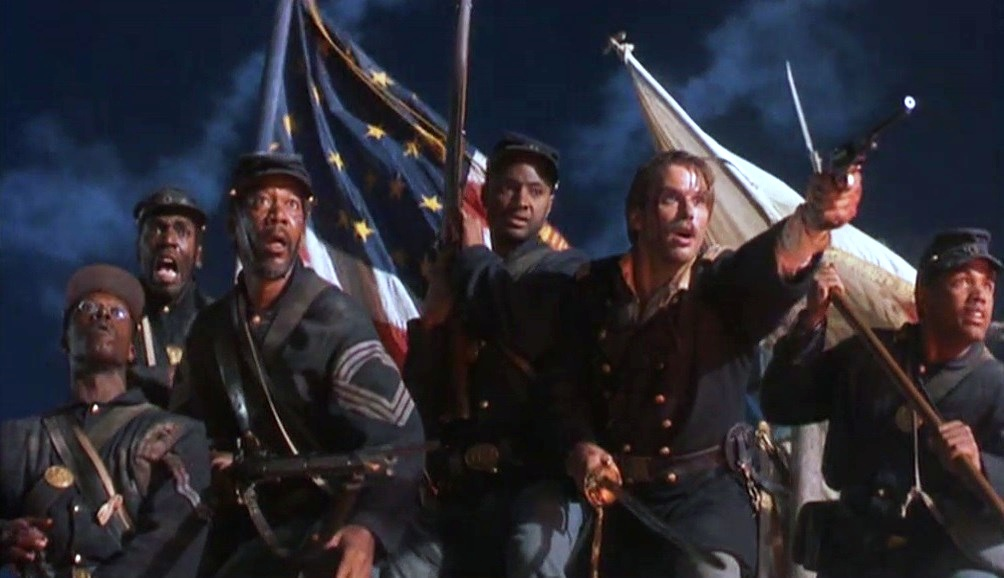
Released on December 15, 1989, Glory was a groundbreaking historical film that brought to light the little-known story of Black soldiers in the American Civil War (1861–1865). Produced by TriStar Pictures with an $18 million budget, the film grossed over $26.8 million at the box office and earned widespread critical acclaim, securing a 93% approval rating on Rotten Tomatoes for its moving narrative and exceptional performances. Inspired by the letters of Colonel Robert Gould Shaw and historical accounts, Glory not only recreates a pivotal era but also raises profound questions about race, sacrifice, and humanity.
The film was lauded for its authentic yet emotionally resonant approach, blending intense battle sequences with poignant moments of camaraderie and resilience. Glory won three Academy Awards, including Best Supporting Actor for Denzel Washington, as well as awards for Sound and Cinematography, cementing its status as a timeless classic in American cinema.
Glory (1989): What You Need to Know
Plot
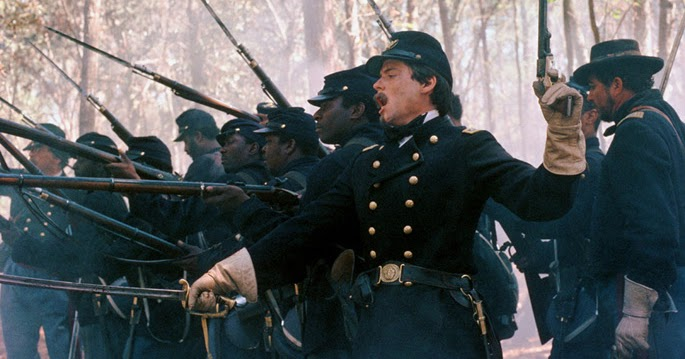
Glory tells the true story of the 54th Massachusetts Volunteer Infantry Regiment, a Union Army unit formed in 1863, composed primarily of African American soldiers—both free men and escaped slaves—under the command of Colonel Robert Gould Shaw (Matthew Broderick), a young white officer. The film follows the regiment’s journey from its formation and training to its climactic battle at Fort Wagner on July 18, 1863.
The plot centers on:
- Shaw’s Journey: Robert Gould Shaw, an idealistic young officer from a prominent abolitionist family in Boston, is tasked with leading the 54th, facing prejudice from within the Union Army and pressure from his superiors. Shaw must overcome his own doubts and earn the respect of his soldiers.
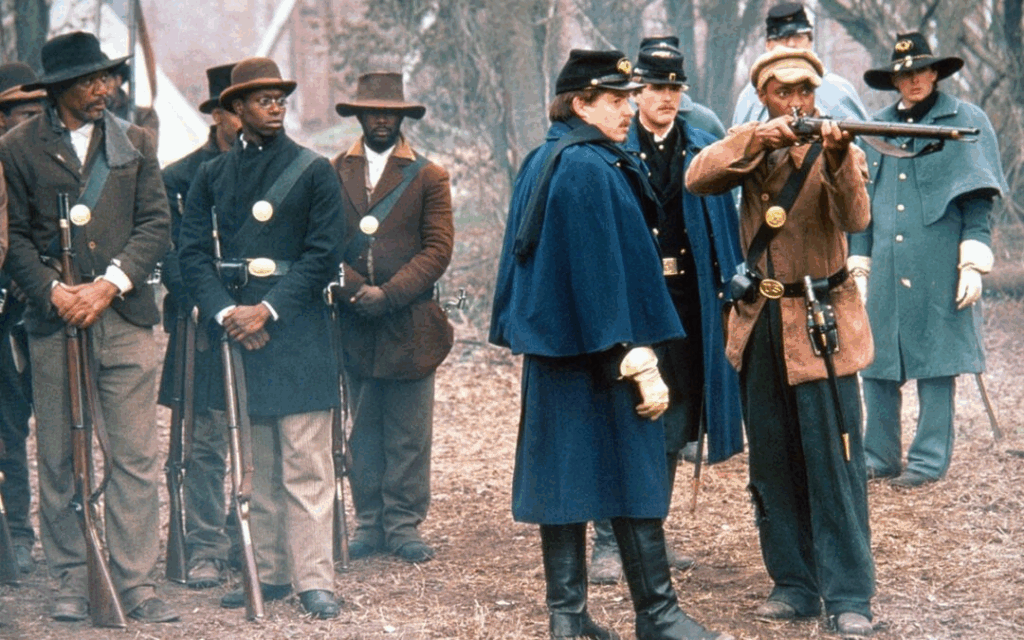
- The Soldiers of the 54th: The film portrays the personal stories of the regiment’s soldiers, including Trip (Denzel Washington), a bitter runaway slave; Searles (Andre Braugher), an educated free man; and Sharts (Jihmi Kennedy), a simple farmer. Through these characters, Glory explores the diverse experiences of African Americans during this era.
- The Fight for Equality: The 54th faces discrimination—from being denied proper uniforms and weapons to receiving lower pay than white soldiers. The film highlights their resilience as they battle not only the Confederate Army but also prejudice within their own ranks.
- The Battle of Fort Wagner: The film’s climax is the daring assault on Fort Wagner, a heavily fortified Confederate stronghold. This battle serves as a testament to the 54th’s courage, despite its tragic outcome, leaving an indelible mark on history.
Glory combines gripping battle scenes with heartfelt moments of friendship, loyalty, and sacrifice, creating a narrative that is both tragic and inspiring.
Cast
Glory boasts an exceptional ensemble cast, delivering performances that have become iconic in cinematic history:
- Matthew Broderick as Colonel Robert Gould Shaw: Broderick portrays Shaw as both idealistic and vulnerable, evolving from an inexperienced officer into a resolute leader willing to stand up for his men.
- Denzel Washington as Private Trip: Washington earned his first Oscar for his portrayal of Trip, a former slave filled with anger but revealing vulnerability and loyalty. His performance is considered a career-defining moment.
- Morgan Freeman as Sergeant Major John Rawlins: Freeman brings calm wisdom to Rawlins, serving as a bridge between Shaw and the soldiers, adding emotional depth to the film.
- Andre Braugher as Corporal Thomas Searles: In a breakout role, Braugher plays Searles as an intellectual confronting the harsh realities of war and prejudice.
- Supporting Cast: Jihmi Kennedy (Sharts), Cary Elwes (Major Cabot Forbes), and Cliff DeYoung (Colonel James Montgomery) add further depth, portraying various facets of the era.
Release Date
Glory premiered in North American theaters on December 15, 1989, with a limited release before expanding in early 1990. The film is currently available on platforms like Amazon Prime, Apple TV, and Peacock, allowing modern audiences to rediscover or experience this classic for the first time.
Production Details
- Director: Edward Zwick, known for historical epics like The Last Samurai and Blood Diamond, brings Glory a balance of historical authenticity and emotional intensity.
- Screenplay: Kevin Jarre wrote the script, drawing from Robert Gould Shaw’s letters and historical texts like Lay This Laurel and One Gallant Rush. The screenplay was praised for its truthful storytelling and reverence for the soldiers without shying away from the brutal realities of war and racism.
- Production Team: Produced by TriStar Pictures with Freddie Fields as the lead producer, Glory was filmed in Massachusetts, Georgia, and South Carolina to authentically recreate the Civil War setting.
- Music and Cinematography: James Horner’s score, featuring the Harlem Boys Choir, delivers profound emotion, particularly in battle and closing scenes. Cinematographer Freddie Francis won an Oscar for his vivid imagery, capturing both the chaos of combat and quiet, powerful moments.
Critical and Audience Reception
Glory received widespread acclaim for its authentic approach, powerful performances, and resonant message about equality. With a 93% Rotten Tomatoes score, the film was celebrated for shedding light on an overlooked chapter of history and honoring the 54th’s bravery. Denzel Washington’s performance, especially in the harrowing flogging scene, is regarded as an iconic moment in cinema, showcasing both resilience and pain.
Some critics noted that the film focuses heavily on Shaw’s perspective, potentially overshadowing the Black soldiers’ stories, but audiences embraced its emotional authenticity and timeless message. The film’s ability to balance intense action with profound themes of unity and justice has kept it relevant.
Audience expectations:
- Historical Accuracy: Glory is lauded for its historical fidelity, from uniforms to battle tactics, though it takes some creative liberties (e.g., the 54th was primarily composed of free men, not escaped slaves like Trip).
- Emotional Impact: The film blends visceral battle sequences with deep moments of camaraderie, making it both moving and inspiring.
- Social Relevance: Glory remains pertinent today, with its exploration of racism and equality, serving as a valuable educational tool in schools and communities.
Why Glory Matters
Glory is more than a war film; it’s a powerful reminder of the courage and sacrifice of those who fought for freedom in an era of profound injustice. By telling the story of the 54th Massachusetts, the film illuminates a forgotten piece of history, honoring the African American soldiers who helped shape the Civil War and the fight for equality. With its stellar cast, masterful direction, and timeless message, Glory remains a poignant and essential work in modern cinema.
Watch or rewatch Glory on platforms like Amazon Prime or Peacock to experience this inspiring story. Join the online conversation with #Glory1989 to share your thoughts on this epic film and its significance today!