Crimson Peak (2015)
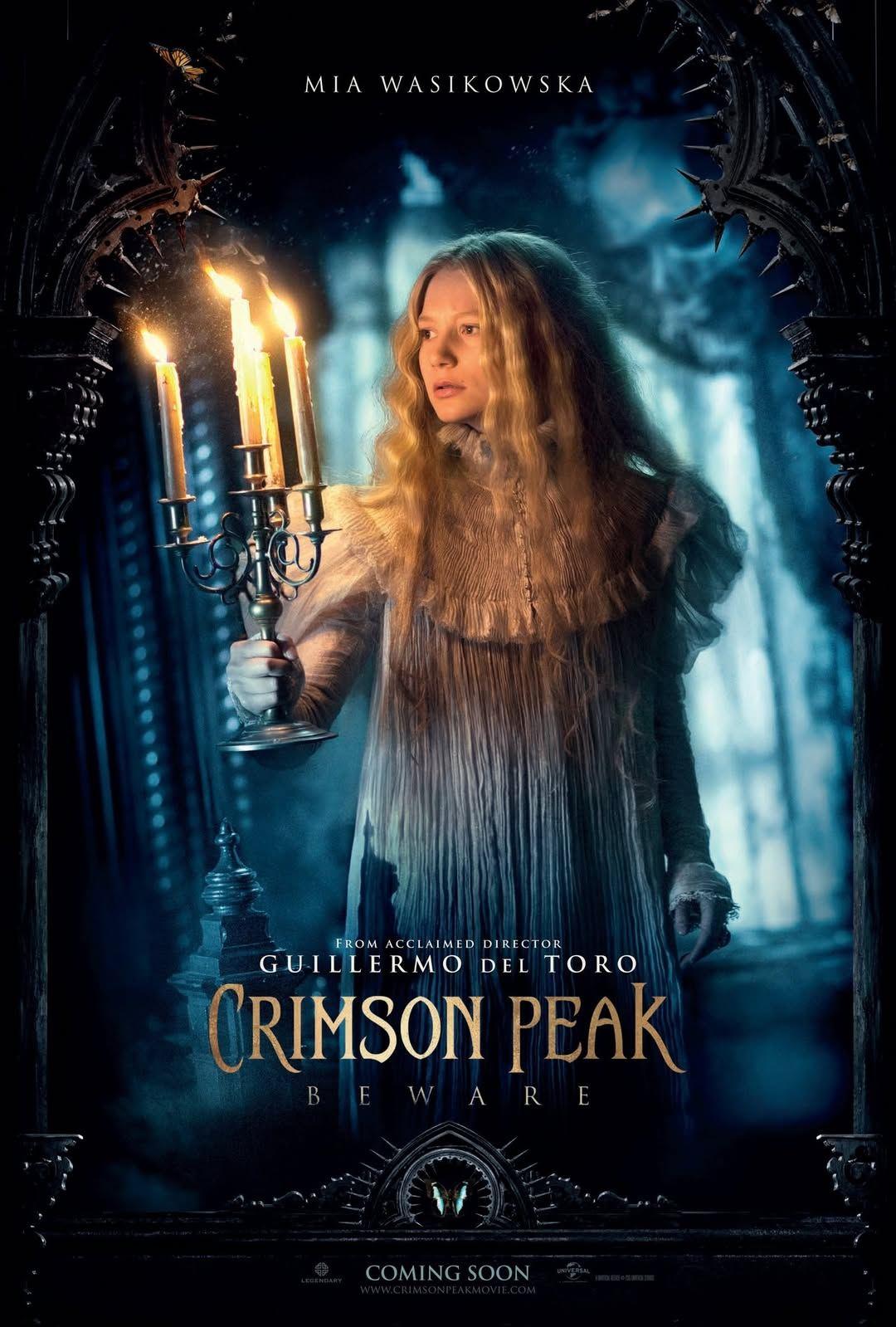
Introduction to Crimson Peak (2015)
Crimson Peak is a Gothic horror-romance film directed by the visionary Guillermo del Toro, released in 2015. Far more than a conventional horror movie, it is a cinematic masterpiece that seamlessly blends supernatural elements, mystery, tragic romance, and a visually stunning aesthetic. Set in the late 19th century, the film immerses viewers in a hauntingly beautiful world where dark secrets lurk beneath the opulence of aristocracy. Below is a comprehensive and detailed introduction to Crimson Peak, covering its plot, cast, production background, critical reception, awards, and more, offering insight into why this film remains a beloved gem a decade after its release.
General Information
- Director and Screenwriter: Guillermo del Toro (co-written with Matthew Robbins)
- Main Cast: Mia Wasikowska (Edith Cushing), Jessica Chastain (Lucille Sharpe), Tom Hiddleston (Thomas Sharpe), Charlie Hunnam (Dr. Alan McMichael), Jim Beaver (Carter Cushing), Burn Gorman (Holly), Leslie Hope (Mrs. McMichael)
- Genre: Horror, Romance, Mystery, Gothic Horror
- Runtime: 119 minutes
- Release Date: October 16, 2015 (United States)
- Production Budget: Approximately $55 million
- Worldwide Box Office: Approximately $74 million (considered a commercial disappointment despite critical praise)
- Ratings: 6.5/10 on IMDb (based on over 150,000 user votes), 72% on Rotten Tomatoes (from 280 critic reviews), 66/100 on Metacritic
- Country: United States, primarily filmed at Pinewood Toronto Studios in Canada
- Production Companies: Legendary Pictures, DDY Productions, distributed by Universal Pictures
Inspired by classic Gothic works like Jane Eyre, Rebecca, and The Haunting of Hill House, Crimson Peak is infused with del Toro’s signature storytelling, emphasizing visual artistry and symbolism.
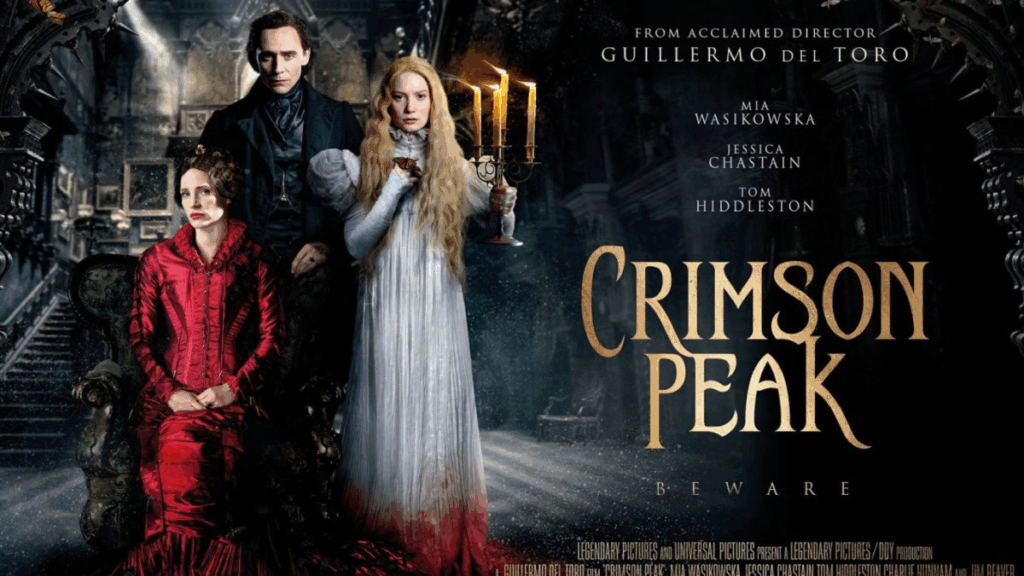
Detailed Plot (No Spoilers)
The story begins in late 19th-century Buffalo, New York, where Edith Cushing (Mia Wasikowska), the daughter of wealthy industrialist Carter Cushing (Jim Beaver), dreams of becoming a writer. Since childhood, Edith has possessed the ability to see ghosts, a gift revealed in the film’s opening when she encounters her mother’s spirit. As an aspiring novelist, she writes about supernatural tales, yearning for independence in a conservative society.
Edith’s life takes a dramatic turn when she meets Sir Thomas Sharpe (Tom Hiddleston), a charming yet enigmatic English baronet seeking investors for his red clay mining invention. Accompanied by his cold and mysterious sister, Lucille Sharpe (Jessica Chastain), Thomas captivates Edith despite her father’s suspicions. Following a family tragedy, Edith marries Thomas and moves to Allerdale Hall, a decaying mansion in the remote English countryside of Cumberland, known as “Crimson Peak” due to the blood-red clay that seeps through the snow.
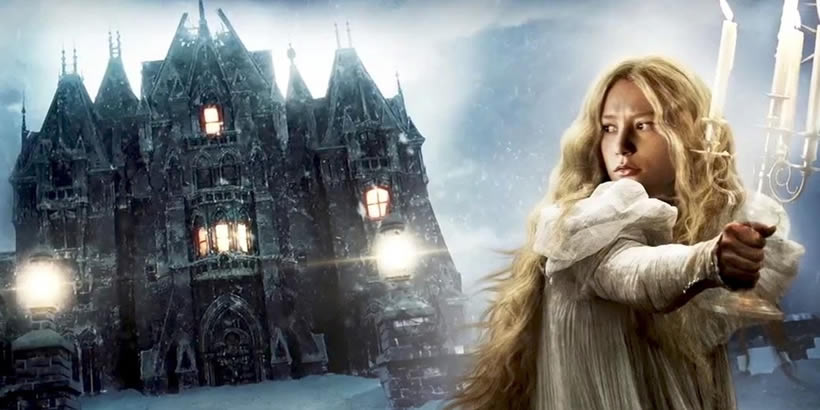
At Allerdale Hall, Edith encounters unsettling phenomena: crimson specters, eerie noises in the night, and a growing sense of unease. As she uncovers the dark history of the Sharpe family, the mansion itself seems to pulse with secrets. The film is not just a horror tale but a profound exploration of love, betrayal, jealousy, and human corruption, with a slow-burn narrative that builds to a gripping, emotionally charged climax.
Production Background
Guillermo del Toro conceived Crimson Peak in 2006, following the success of Pan’s Labyrinth. Collaborating with Matthew Robbins on the screenplay, he developed the project with Legendary Pictures. Del Toro meticulously researched Victorian-era architecture, costumes, and supernatural lore to craft an authentic yet fantastical world.
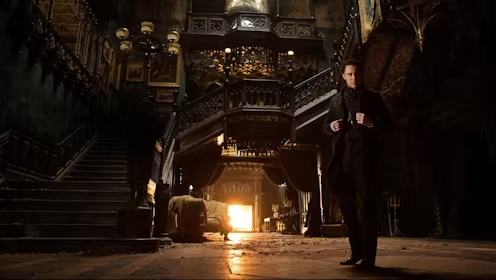
Filming took place from February to May 2014 at Pinewood Toronto Studios, with some exterior scenes shot in Kingston, Ontario, Canada. The Allerdale Hall set was a fully constructed three-story structure, complete with mechanical elements to simulate the red clay seeping through the floors—a key symbol in the film. Del Toro prioritized practical effects over CGI, using digital effects sparingly for ghostly apparitions. The production faced challenges in marketing, as the film was promoted as a straight horror movie, misleading audiences expecting jump scares when it was, in fact, a Gothic romance with psychological horror elements.
The casting was carefully curated: Emma Stone was initially set to play Edith but dropped out due to scheduling conflicts, leading to Mia Wasikowska’s casting. Jessica Chastain and Tom Hiddleston, both prior collaborators with del Toro, delivered powerful chemistry. The film’s attention to detail, from costumes to set design, reflects del Toro’s perfectionism.
Highlights
1. Guillermo del Toro’s Gothic Aesthetic
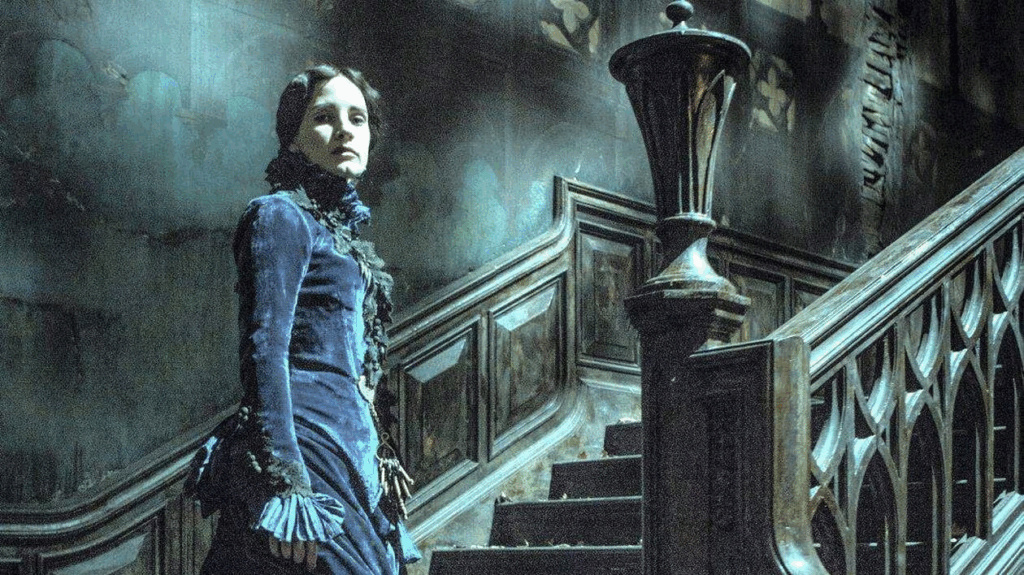
Del Toro’s signature style shines in Crimson Peak, with a Gothic aesthetic that is both haunting and luxurious. Every frame is meticulously crafted, from the ornate Victorian costumes (designed by Kate Hawley) to the decaying grandeur of Allerdale Hall, with its shadowy corridors, gothic statues, and creaking walls. The mansion itself acts as a living character, “breathing” with red clay and symbolizing the decay of the Sharpe family. Del Toro uses a symbolic color palette: red for blood and passion, green for jealousy, and gold for false wealth.
2. Stellar Performances
- Mia Wasikowska as Edith: Wasikowska portrays Edith’s transformation from an idealistic dreamer to a resilient survivor with nuance, making her a relatable and compelling protagonist.
- Jessica Chastain as Lucille: Chastain delivers a chilling yet layered performance, blending icy composure with suppressed rage. She prepared by learning piano and studying Gothic literary villainesses.
- Tom Hiddleston as Thomas: Hiddleston’s magnetic portrayal of Thomas balances charm and inner conflict, keeping viewers torn between affection and suspicion. He lost weight to embody the image of a declining aristocrat.
- Charlie Hunnam as Dr. Alan McMichael: Hunnam provides a grounded, rational counterpoint to the film’s supernatural elements, adding depth to the story.
- Supporting actors like Jim Beaver (Carter Cushing) and Burn Gorman (Holly) enrich the narrative with their subtle performances.
3. Cinematography, Music, and Visual Effects
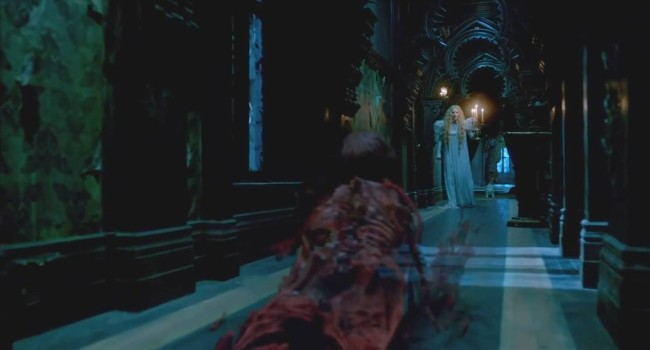
Cinematographer Dan Laustsen crafts a visually arresting experience with moody lighting and sweeping shots that emphasize isolation. The film’s practical effects, including elaborate makeup for the ghosts, enhance its authenticity, while minimal CGI maintains a tactile feel. Fernando Velázquez’s score blends haunting piano, soaring violins, and eerie soundscapes, amplifying both the romance and tension.
4. Horror, Romance, and Thematic Depth
Crimson Peak is less about jump scares and more about psychological dread, with ghosts serving as metaphors for buried secrets and guilt. The romance between Edith and Thomas explores themes of blind love and betrayal, while the film critiques the decay of aristocracy, gender roles in the 19th century, and the destructive power of jealousy. The interplay of horror and romance creates a unique emotional resonance.
Critical Reception and Audience Response
Critics largely praised Crimson Peak for its visuals and performances. Roger Ebert’s site gave it 3/4 stars, calling it “a classic Gothic tale with stunning visuals.” Rotten Tomatoes’ 72% score (6.6/10 average) lauded its “visual splendor” despite a “familiar plot.” Metacritic’s 66/100 reflected mixed reviews, with some critics noting a slow pace and lack of intense scares.
Audiences on IMDb gave it 6.5/10, with many appreciating its artistry but feeling misled by horror-focused marketing. On platforms like Reddit, the film is often called “underrated,” gaining a cult following upon rewatches. Its $74 million box office was disappointing against its $55 million budget, largely due to marketing missteps.
Awards and Nominations
- Saturn Awards 2016: Nominated for Best Horror Film, Best Supporting Actress (Jessica Chastain), and Best Production Design (Thomas E. Sanders).
- Critics’ Choice Awards: Nominated for Best Art Direction and Best Costume Design.
- Empire Awards: Nominated for Best Horror.
- The film also won minor awards for visual effects and design at genre film festivals.
Fun Facts
- The Allerdale Hall set cost millions and was preserved as a museum exhibit after filming.
- Chastain and Hiddleston performed many of their own stunts.
- The film’s red clay was inspired by real crimson soil in Cumberland.
- Del Toro described Crimson Peak as “a love story with ghosts,” not a traditional horror film.
Target Audience
The film is ideal for fans of psychological horror, Gothic romance, or del Toro’s works like Pan’s Labyrinth and The Shape of Water. It’s not recommended for viewers seeking intense jump scares or those under 16 due to violence and disturbing imagery.
Why You Should Watch
- Breathtaking visuals and set design, like a living painting.
- A profound story of love, betrayal, and hidden truths.
- Exceptional performances from a stellar cast.
- A fresh take on the Gothic genre.
- Perfect for Halloween or a rewatch to uncover hidden details.
Conclusion
Crimson Peak is an underappreciated gem in Guillermo del Toro’s oeuvre, blending exquisite artistry, emotional storytelling, and supernatural intrigue. Though it didn’t achieve commercial success, its meticulous craftsmanship and thematic depth make it a standout. If you’re drawn to films that linger in your thoughts long after the credits roll, Crimson Peak is a must-watch—a haunting journey into a world both mesmerizing and humane.
Note: The film contains violence, gore, and disturbing imagery, unsuitable for sensitive viewers.
Share your thoughts if you’ve seen Crimson Peak!