DRACULA 2026
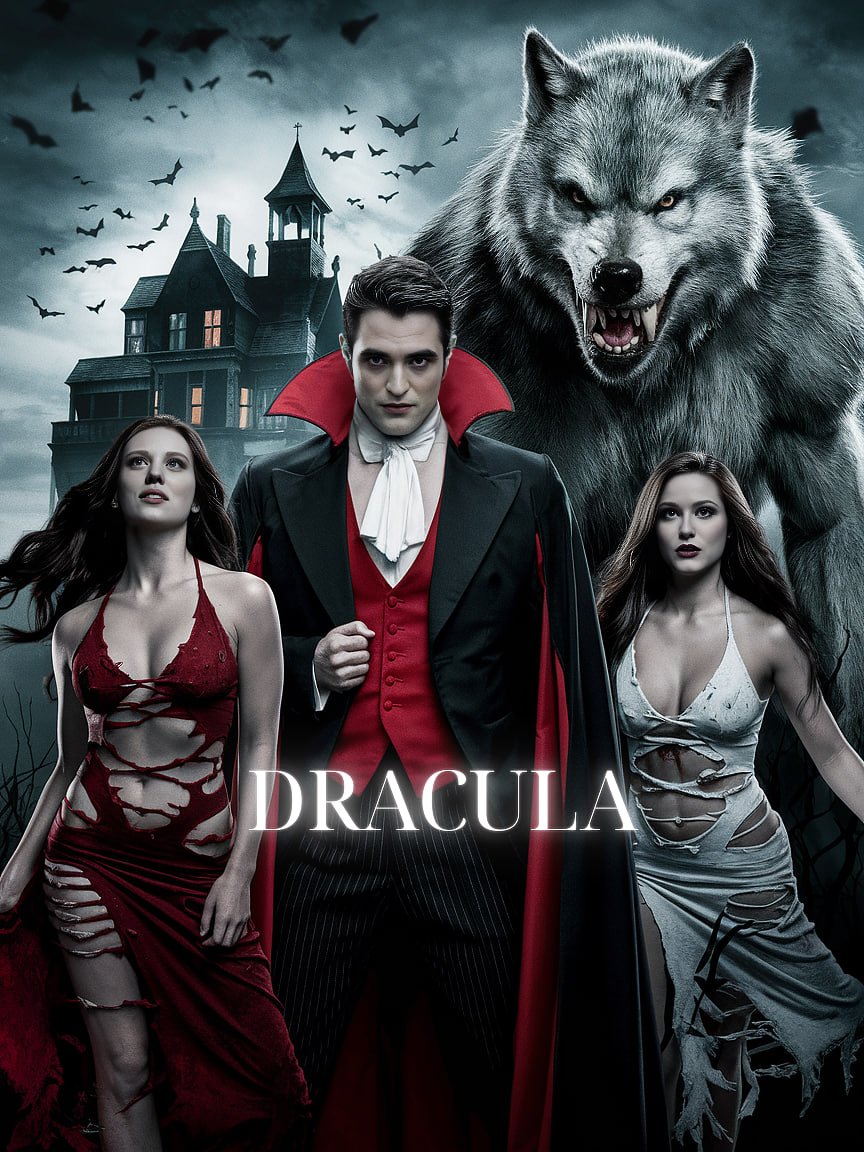
Introducing the Movie Dracula – A Timeless Horror Icon
Dracula, one of the most iconic works in the horror genre, is not just a film but a cultural phenomenon that transcends time. Based on Bram Stoker’s renowned 1897 gothic novel, various adaptations of Dracula have been reimagined over decades, from silent black-and-white films to modern blockbusters. In this post, let’s dive into the highlights of the movie, its plot, cultural significance, and why Dracula remains a legend in the hearts of audiences worldwide.
1. Origins and Plot
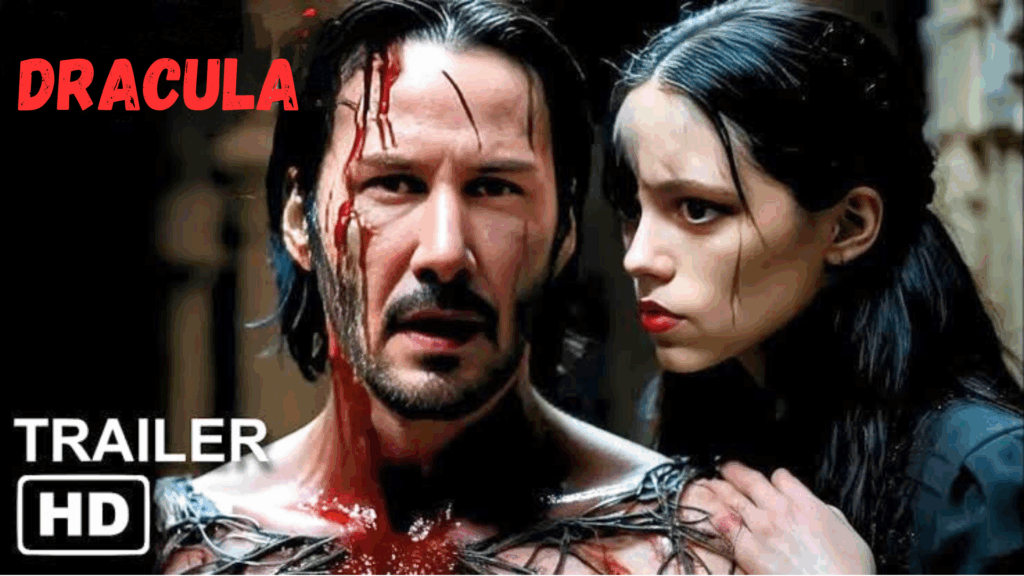
Dracula tells the story of Count Dracula, an immortal vampire residing in a remote castle in Transylvania. With supernatural powers and a deadly charm, Dracula preys on human blood to sustain his existence. The plot typically follows Dracula’s journey from his isolated homeland to modern cities, where he faces vampire hunters like Professor Abraham Van Helsing.
In the original novel, the story begins with Jonathan Harker, a young lawyer, traveling to Transylvania to assist Count Dracula with a real estate purchase in England. From there, the horrifying truth about Dracula’s vampiric nature slowly unravels. He becomes obsessed with Mina, Jonathan’s fiancée, and seeks to turn her into a vampire. The battle between good and evil, humanity and monster, forms the core of the narrative.
Film adaptations often retain this essence but introduce new elements to suit the era, from romanticizing Dracula to portraying him as a complex, multifaceted villain.
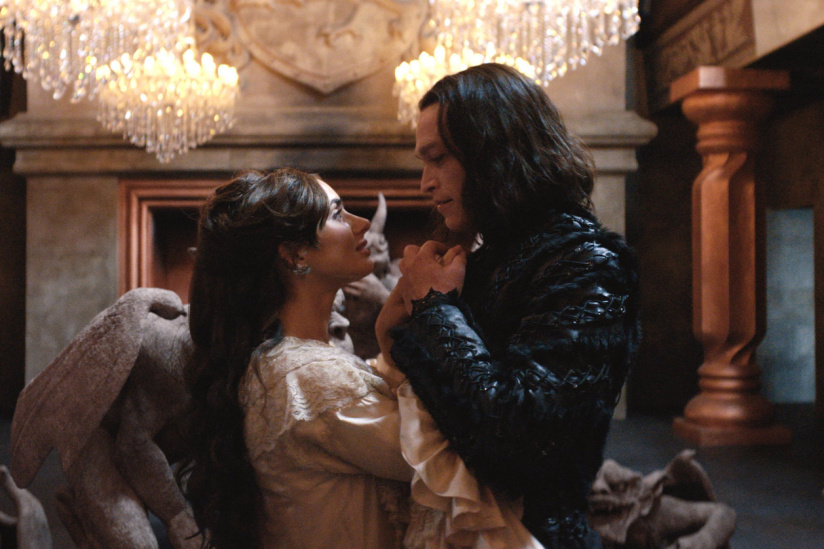
2. Notable Film Adaptations
a. Dracula (1931) – Bela Lugosi’s Classic
- Director: Tod Browning
- Main Cast: Bela Lugosi, Helen Chandler, David Manners
- Highlights: Produced by Universal Pictures, this was the first major cinematic adaptation, laying the foundation for Hollywood’s horror genre. Bela Lugosi immortalized Count Dracula with his hypnotic voice, piercing gaze, and aristocratic demeanor. This black-and-white film remains a benchmark for the vampire archetype on screen.
- Style: Theatrical, with masterful use of light and shadow to create a haunting atmosphere.
b. Horror of Dracula (1958) – Christopher Lee
- Director: Terence Fisher
- Main Cast: Christopher Lee, Peter Cushing
- Highlights: Produced by Hammer Films, this version stands out for its vibrant colors, bold gore effects, and Christopher Lee’s commanding performance as Dracula. Peter Cushing’s portrayal of Van Helsing is equally memorable. The film presents a more menacing Dracula, silent yet authoritative.
- Style: Blends horror with action and romantic elements.
c. Bram Stoker’s Dracula (1992) – Francis Ford Coppola
- Director: Francis Ford Coppola
- Main Cast: Gary Oldman, Winona Ryder, Anthony Hopkins, Keanu Reeves
- Highlights: The most faithful adaptation of Stoker’s novel, this film also weaves a tragic love story between Dracula and Mina. Gary Oldman delivers a Dracula who is both terrifying and deeply emotional, while Anthony Hopkins shines as Van Helsing. The movie is praised for its stunning visuals, lavish costumes, and haunting soundtrack.
- Style: Combines gothic horror, romance, and high cinematic artistry.
d. Modern Adaptations
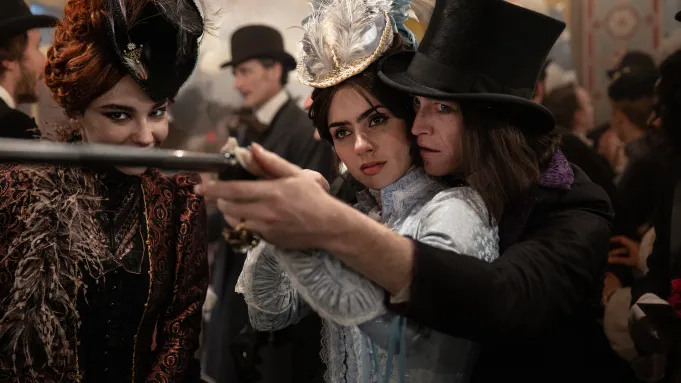
Beyond the classics, Dracula has appeared in numerous films and series, such as Dracula Untold (2014) with Luke Evans, which explores Dracula’s origins, or the 2020 Netflix series Dracula, offering a fresh and modern take on the legend.
3. Cultural Significance and Impact
Dracula is more than a fictional character; he is a symbol of humanity’s deepest fears. The vampire embodies temptation, desire, and the fear of death. Across different eras, Dracula has been interpreted in various ways:
- Victorian Era: Represented fears of moral decay and foreign influence.
- 20th Century: Reflected the conflict between science and superstition, reason and instinct.
- Modern Era: Often portrayed as a tragic figure, cursed and yearning for love.
The films and character of Dracula have inspired countless works in cinema, literature, games, and music. The image of a vampire in a black cape, with sharp fangs and a mesmerizing gaze, has become a cornerstone of pop culture.
4. Why Watch Dracula?
- Compelling Story: The blend of horror, romance, and mystery makes Dracula’s tale endlessly captivating.
- Outstanding Performances: From Bela Lugosi to Christopher Lee and Gary Oldman, each actor brings a unique Dracula to life.
- Artistic Value: Particularly Coppola’s 1992 version, the films are cinematic masterpieces with breathtaking visuals and music.
- Timeless Themes: Despite being over a century old, Dracula’s story resonates with universal themes of fear, evil, and the quest for immortality.
5. Conclusion
Count Dracula is not just a character in novels or films; he is an immortal icon of the horror genre. Whether you’re drawn to the terror of the classic versions or the depth of modern adaptations, Dracula promises an unforgettable experience. Pick your favorite version, dim the lights, and prepare to step into the shadowy world of this legendary vampire!
Which version of Dracula have you watched? Share your thoughts in the comments below!