Denzel Washington’s Journey Through Fame and Mental Health
Denzel Washington, one of Hollywood’s most revered actors, has long been celebrated for his commanding performances in films like Training Day, Malcolm X, and Glory. With two Academy Awards and a career spanning over four decades, Washington’s talent and charisma have made him a household name. However, behind the accolades and red-carpet appearances lies a deeply human story of vulnerability, struggle, and resilience. In recent years, Washington has opened up about his battles with mental health, the pressures of fame, and his journey to sobriety, offering a powerful reminder that even the brightest stars face inner turmoil.
The Weight of Fame
In a candid interview, Washington reflected on a particularly challenging moment in his career: losing the Best Actor Oscar in 2000 to Kevin Spacey for American Beauty. Despite his critically acclaimed performance in The Hurricane, the loss hit him hard. “I threw myself a pity party,” Washington admitted, describing how he turned to alcohol to cope with the disappointment. This period of self-doubt and indulgence revealed a side of the actor rarely seen by the public—a man grappling with the same insecurities and pain as anyone else.
Washington’s honesty about this moment underscores a universal truth: fame does not shield anyone from emotional struggles. “Fame doesn’t protect you from pain. If anything, it amplifies it,” he said. The constant scrutiny, unrelenting expectations, and pressure to maintain a flawless public image can take a significant toll on mental health. For Washington, the glamour of Hollywood often masked the isolation and vulnerability that came with it.
The Path to Sobriety
Washington’s struggles with alcohol culminated in a turning point in 2014 when he made the life-changing decision to embrace sobriety. This choice was not just about abstaining from alcohol but about confronting the deeper issues that led him to rely on it. “I had to look at myself and say, ‘What am I running from?’” he shared. His journey to sobriety was marked by introspection, therapy, and a commitment to self-care—a process that required immense courage for someone in the public eye.
Washington’s story resonates with many who face similar battles, whether in the spotlight or not. His decision to prioritize his mental and physical health over the fleeting comforts of alcohol serves as an inspiring example of resilience. By openly discussing his recovery, Washington has helped destigmatize conversations about addiction and mental health, particularly in industries where vulnerability is often seen as a weakness.
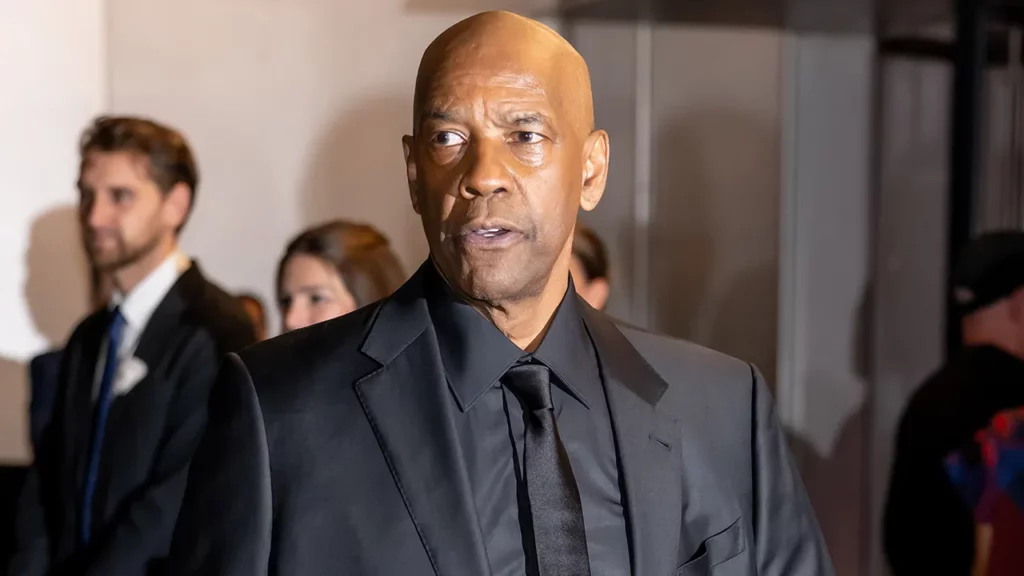
The Hidden Pressures of Celebrity Life
The entertainment industry, with its glitz and glamour, often creates an illusion of invincibility. Yet, Washington’s experiences highlight the hidden pressures that celebrities endure. The expectation to constantly deliver groundbreaking performances, maintain a pristine public image, and navigate the competitive landscape of Hollywood can be overwhelming. For Washington, these pressures were compounded by the personal losses and challenges he faced off-screen, including the demands of balancing family life with a high-profile career.
Washington has spoken about the importance of grounding himself through faith, family, and community. His wife, Pauletta Washington, and their four children have been a constant source of support throughout his journey. “They keep me honest,” he once said, emphasizing the role of loved ones in helping him stay connected to his values. This support system, combined with his commitment to self-care, has been instrumental in helping Washington navigate the complexities of fame.
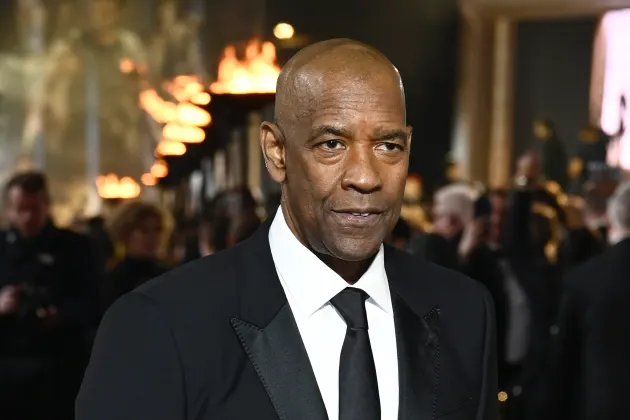
A Beacon of Hope and Honesty
Washington’s willingness to share his struggles offers hope to those facing similar challenges. His story is a testament to the power of vulnerability and the importance of seeking help. By speaking openly about his mental health and sobriety, Washington challenges the notion that strength means hiding one’s pain. Instead, he redefines it as the courage to confront and overcome personal struggles.
His journey also sheds light on the broader issue of mental health in the entertainment industry. In recent years, more celebrities have come forward to share their experiences with anxiety, depression, and addiction, sparking important conversations about the need for better support systems. Washington’s voice adds weight to this movement, encouraging others to prioritize their well-being and seek help when needed.
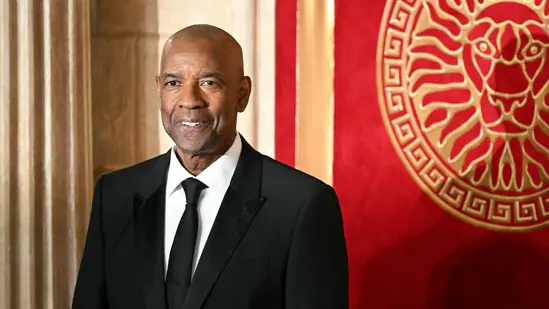
Lessons from Denzel’s Journey
Denzel Washington’s story is one of triumph over adversity, reminding us that even those who seem to have it all face their share of struggles. His journey from a “pity party” to sobriety and self-acceptance is a powerful example of resilience and growth. For fans and admirers, Washington’s honesty offers a refreshing perspective on fame—one that acknowledges its challenges while celebrating the strength it takes to overcome them.
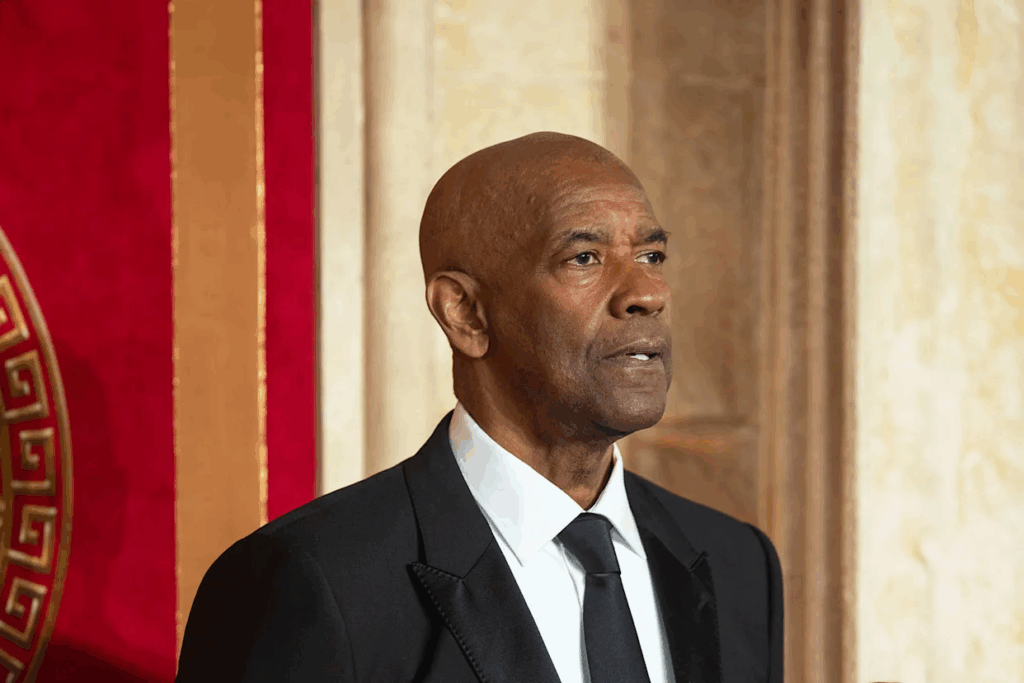
As Washington continues to inspire audiences with his performances, his off-screen journey serves as an equally powerful narrative. It is a reminder that self-care, vulnerability, and perseverance are universal necessities, regardless of one’s status or success. In sharing his story, Denzel Washington not only humanizes the experience of fame but also offers hope to anyone navigating their own path to healing.
Your article helped me a lot, is there any more related content? Thanks!