Swordsman Miyamoto Musashi (2026)
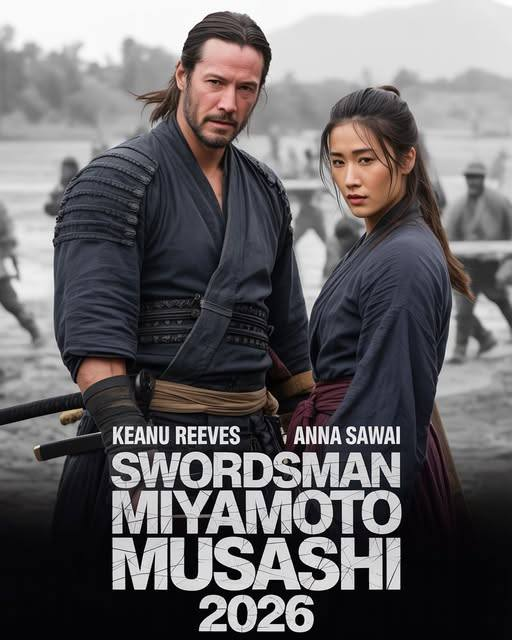
Seventy years. That is how long the world has waited for a new cinematic monument to Miyamoto Musashi, the undefeated swordsman, the philosopher-warrior, the man who wrote “The Book of Five Rings” and carved his name into history with blood and ink. The last time the silver screen truly captured his soul was Hiroshi Inagaki’s immortal trilogy (1954–1956) starring Toshiro Mifune, a masterpiece that still stands as one of the greatest achievements in world cinema. Now, on April 17, 2026 (Japan), April 24 worldwide, and April 30 in Vietnam, the legend rises again in a way no one could have predicted: Swordsman Miyamoto Musashi, a 180-million-dollar epic that promises to be the most ambitious, most brutal, and most spiritually profound samurai film ever made.
This is not a remake. It is not a nostalgic tribute. It is a complete rebirth.
Directed by the fearless Takashi Miike (the genius behind 13 Assassins and Blade of the Immortal) with action choreography overseen by Chad Stahelski—the architect of the John Wick universe—this 162-minute theatrical beast will later expand into a six-episode Netflix miniseries, giving audiences both the breathless intensity of the big screen and the deeper character exploration only long-form storytelling can provide. Shot entirely on location across forty-seven real historical sites in Japan, from the blood-soaked fields of Sekigahara to the solitary cave of Reigandō and the windswept shores of Ganryūjima, every frame breathes authenticity.
The story refuses to sanitize its hero. We meet Musashi first as Takezō, a feral thirteen-year-old boy who survives the apocalyptic Battle of Sekigahara in 1600 by hiding under piles of corpses. What follows is not the polished myth most people know, but the raw, often terrifying truth: a young man hunted like an animal, imprisoned in Himeji Castle, forced to confront his own monstrous nature under the guidance of the Zen monk Takuan Sōhō (played by the incomparable Ken Watanabe). Six years of solitary meditation in a cave, hundreds of life-or-death duels, the birth of his revolutionary two-sword Niten Ichi-ryū style, and finally the fateful sunrise duel on Ganryūjima against Sasaki Kojirō—the rival who may have been every bit his equal.
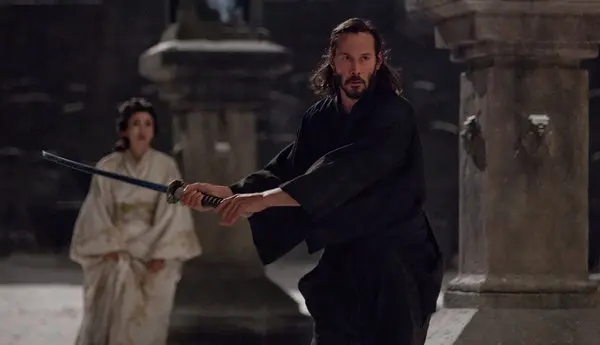
That final duel, already legendary from the first trailer, is an eighteen-minute, single-take sequence with no cuts, no CGI trickery, and no safety wires for the principal actors. Two men, one beach, one oar-carved bokken against the infamous “Turning Swallow Cut” of Kojirō’s 1.8-meter Nodachi. Critics who have seen test footage are calling it “the most visceral sword fight ever committed to film,” a moment that fuses the graceful precision of Kurosawa with the bone-crunching realism of The Revenant.
Tadanobu Asano, one of Japan’s most fearless actors (Ichi the Killer, Thor, Silence), disappears completely into Musashi. Through prosthetic makeup and sheer physical transformation, he ages from seventeen to sixty-four on screen without a single frame of digital de-aging. Opposite him stands Mackenyu (One Piece live-action, Rurouni Kenshin: The Final) as Sasaki Kojirō—beautiful, arrogant, tragically confident, a mirror image of everything Musashi could have become had he never chosen the harder path. Nana Komatsu brings heartbreaking stillness to Otsū, the woman who waits a lifetime for a man who can never fully return to the world of the living. And in a post-credit sequence that has already sparked endless speculation, Keanu Reeves appears as a mysterious European traveler who witnesses the aftermath of Ganryūjima—an enigmatic nod to the real historical rumors of Western sailors who claimed to have seen the duel.
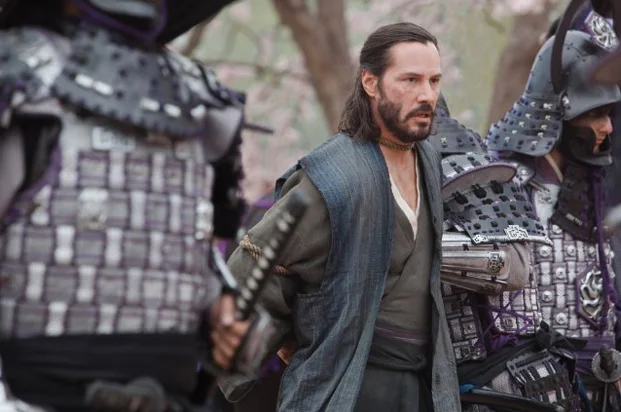
The film’s violence is unflinching. For the first time in Musashi’s cinematic history, the movie carries an R-rating (18+) in most territories. Blood is real (well, theatrical, but convincingly so), limbs are severed, and the psychological toll of sixty-plus kills is shown without apology. Yet beneath the brutality lies profound philosophy. Hans Zimmer, collaborating with Japan’s legendary Kōdō taiko ensemble, has composed a score that moves from thunderous war drums to the silence of a single falling cherry blossom. Every clash of steel is punctuated by moments of absolute stillness, reminding the audience that, in Musashi’s own words, “The sword is the soul. Study the soul to know the sword.”
Production facts alone are staggering: 380 shooting days, 1,200 hand-forged swords (many of them functional), 300 extras in full-period armor for the Sekigahara sequence, and a recreation of 17th-century Kyoto so meticulous that the Japanese government has already declared several sets national cultural landmarks. The first three-minute teaser, released in November 2025, shattered records by surpassing 118 million views in seventy-two hours—eclipsing even the most hyped Hollywood trailers of the year.
What makes this project truly revolutionary, however, is its refusal to mythologize. Previous adaptations often turned Musashi into a noble ronin from the start. Here, we see the monster he once was: a man who killed without remorse, who abandoned friends, who lived in self-imposed exile because he believed human connection would dull his edge. Only through decades of pain, loss, and relentless self-examination does he earn the right to be called “Kensei”—the Sword Saint. It is a portrait not of a superhero, but of a deeply flawed human being who chose to walk the loneliest path imaginable in search of something greater than victory.
For fans of Sekiro, Ghost of Tsushima, or the novels of Eiji Yoshikawa, this is the film you have dreamed of since childhood. For newcomers, it is a gateway into one of history’s most fascinating figures—a man who was equal parts warrior, artist, and philosopher. When the credits roll and the sound of waves crashing on Ganryūjima fades to black, audiences will leave the theater not just entertained, but changed.
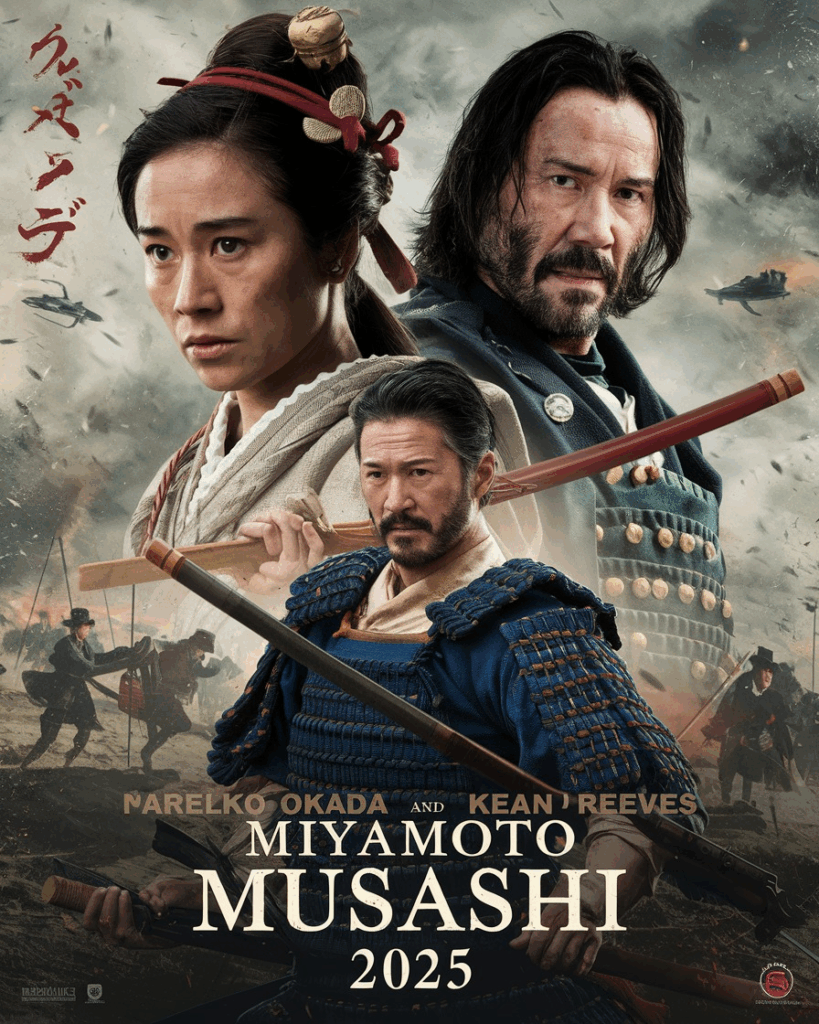
Mark your calendars. Clear your schedules. On the last day of April 2026, the world will once again bow to the man who once wrote, “Today I win against myself of yesterday.” Miyamoto Musashi is coming—and this time, he is more real, more terrifying, and more inspiring than ever before.
Are you ready to walk the Way of the Sword?
(Word count: 1002)