Nuremberg (2025)
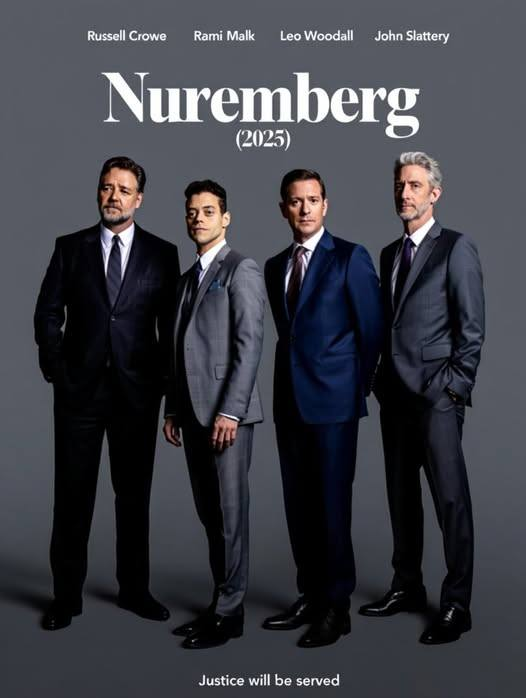
NUREMBERG (2025) might just be the most important film you see this decade, and yes, I’m saying that in a year full of superhero explosions and animated sequels. This isn’t a comfortable night at the movies. This is the kind of movie that follows you home, sits in the passenger seat on the drive back, and whispers questions you don’t want to answer when you’re trying to fall asleep. James Vanderbilt, the man who wrote Zodiac and turned true-crime obsession into high art, finally steps into the director’s chair with a story so heavy it could anchor a battleship: the true, terrifying, intimate clash between an American psychiatrist and the highest-ranking Nazi to survive the war.
The year is 1945. Germany lies in smoking ruins. The world has just discovered the full, stomach-turning scale of the Holocaust. And in a half-destroyed palace in the city of Nuremberg, twenty-two men who once believed they would rule the planet for a thousand years now sit in cells, waiting to learn if they will hang. The Allies have decided that bullets are too quick, too merciful. They want justice on open display, in a courtroom, with cameras rolling for history. That courtroom becomes the stage for one of the most extraordinary psychological duels ever recorded.
Russell Crowe plays Hermann Göring, the bloated, morphine-addicted, jewel-loving Reichsmarschall, Hitler’s designated successor, the man who turned the Luftwaffe into a terror weapon and looted half of Europe’s art for his personal collection. Crowe doesn’t just play Göring; he inhabits him. He gives us the swagger, the theatrical charm, the booming laugh that once filled beer halls and now echoes off prison walls. He struts into the dock in custom-made pale-blue uniforms, cracking jokes with the guards, flirting with journalists, insisting he is still the second most powerful man in Germany because, technically, the first one is dead. But beneath the circus-act arrogance, Crowe lets you glimpse the panic, the animal cunning, the absolute refusal to accept that the game is over. It’s a performance so commanding that four minutes of sustained applause erupted at the Toronto International Film Festival premiere, one of the longest standing ovations of the entire festival.
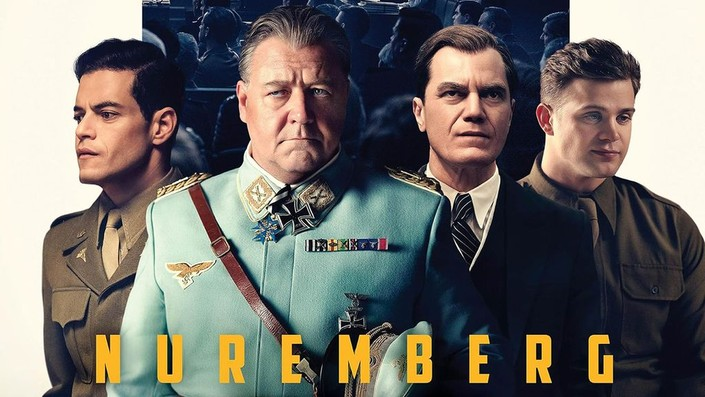
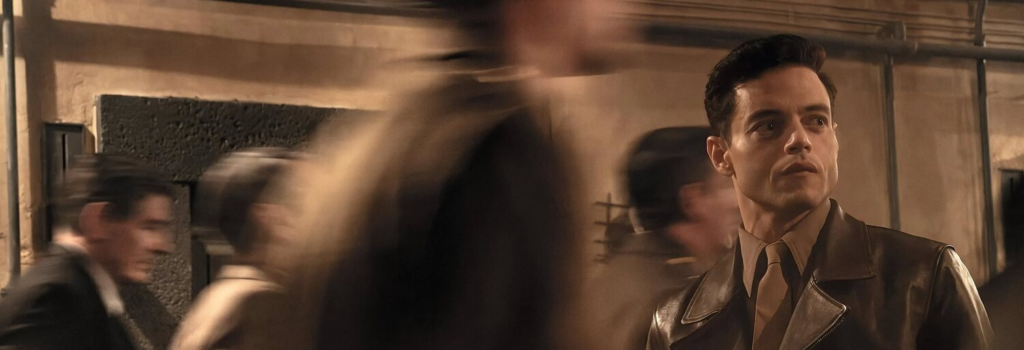
Opposite him, quiet, watchful, almost fragile at first glance, stands Rami Malek as Major Douglas M. Kelley, the U.S. Army psychiatrist tasked with deciding whether these defendants are sane enough to stand trial. Malek’s Kelley is all precision and restraint, a man who believes science can map the darkest corners of the human mind. He carries a clipboard and a calm voice into Göring’s cell every day, convinced that if he can just ask the right questions, he can crack the code of evil itself. What follows is a chess match played with words instead of pieces. Göring toys with him, flatters him, tries to recruit him as a friend. Kelley pushes harder, desperate to understand how an educated, cultured society produced industrialized genocide. The closer he gets to answers, the more the answers start to poison him. Their scenes together are so electrically charged that you forget to breathe.
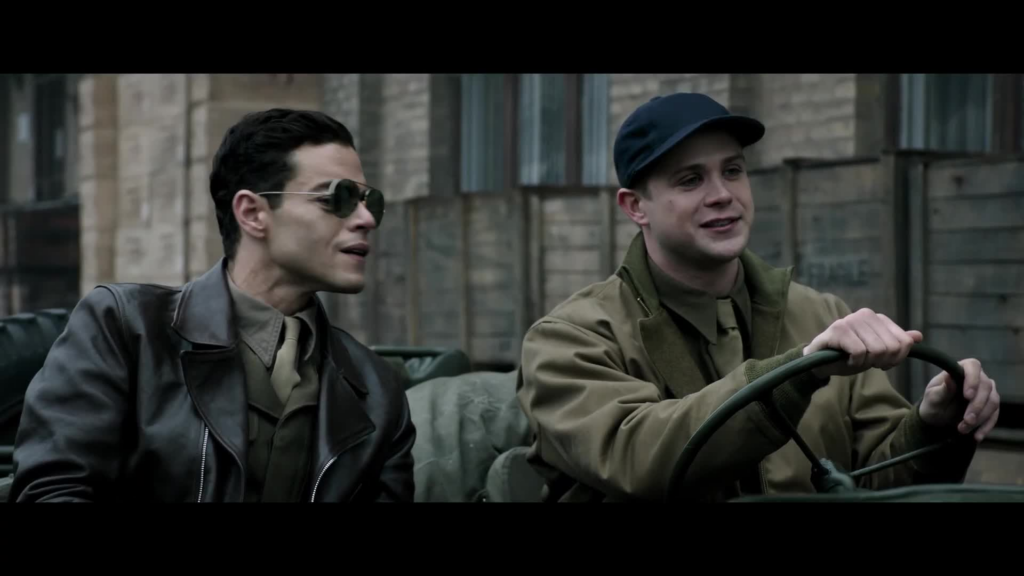
Around this central duel, Vanderbilt builds a sprawling, impeccably detailed world. Michael Shannon is a towering Robert H. Jackson, the American chief prosecutor who knows the whole planet is watching and cannot afford to lose. John Slattery, Richard E. Grant, and Michael Stuhlbarg bring dry wit and moral exhaustion to the Allied legal team. Leo Woodall breaks your heart as Howie Triest, a young Jewish translator who has to sit inches away from the architects of his people’s destruction and keep his voice steady. Wrenn Schmidt gives quiet steel to Kelley’s wife, the only person who sees how deep the abyss has already pulled her husband. Every performance feels lived-in, every uniform looks slept in, every cigarette tastes like 1945.
The film doesn’t flinch from the horror. Flashbacks are brief but brutal: grainy, ash-choked images of liberated camps, piles of bodies, survivors who weigh less than their own shadows. These moments aren’t exploitative; they’re the reason the entire trial exists. Vanderbilt uses them sparingly, the way a surgeon uses a scalpel, just enough to remind you what is actually on trial here. The rest of the time he keeps the camera locked on faces: defendants who refuse to look at photographs of their crimes, prosecutors who haven’t slept in weeks, a psychiatrist who starts to dream in German.
Clocking in at almost two and a half hours, the movie earns every minute. The pacing is deliberate, sometimes agonizingly slow, because that’s exactly how the real trial felt to the people inside it. There are no car chases, no fistfights, no swelling heroic music when the verdicts come down. There is only the sound of typewriters, the click of camera shutters, and the occasional cough echoing through a room where the fate of human justice is being decided by exhausted men in ill-fitting suits.
When the lights come up, you won’t feel entertained in the usual sense. You’ll feel like you’ve sat through something sacred and terrible. You’ll want to call your parents, hug your kids, read a history book, argue with strangers on the internet about whether evil is banal or monstrous or both. That’s the power of Nuremberg. It’s not here to comfort you. It’s here to remind you that the line between civilization and collapse is thinner than any of us want to believe, and that once in a great while, a handful of flawed, frightened people manage to draw that line in the ashes and dare the world to step across it.
Russell Crowe has already said this is one of the roles he’s proudest of in his entire career. Rami Malek disappears so completely into Kelley that you forget you’re watching an actor. The early Oscar buzz is loud, especially for Crowe in Supporting and Shannon for the sheer moral weight he carries in every scene. But awards feel beside the point. This is the rare historical drama that doesn’t just dramatize the past; it interrogates the present.
Go see it on the biggest screen you can find. Take someone you love. Let it rattle you. Eighty years after the real trials began, Nuremberg asks the question we still haven’t answered: when the worst has already happened, what does justice even look like?
#Nuremberg2025 #RussellCrowe #RamiMalek #JamesVanderbilt #WWII #NurembergTrials #HistoricalDrama #OneOfTheYearsBest