HOSTILES (2017)
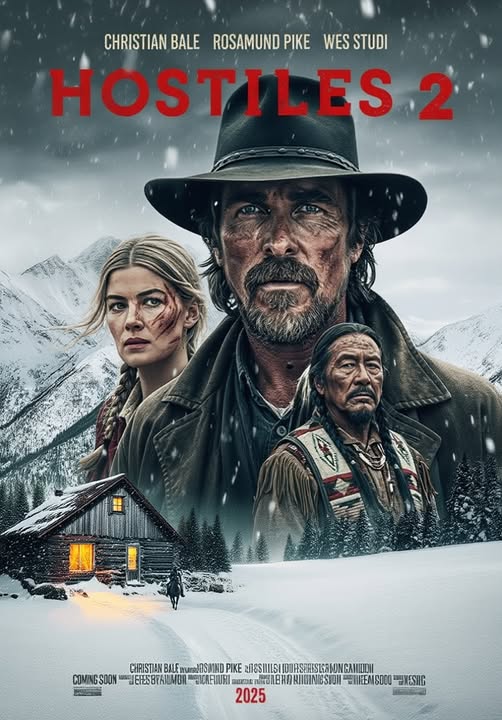
HOSTILES (2017) – WHEN HATRED, WAR, AND HUMANITY COEXIST IN THE BRUTAL AMERICAN WEST
Within the landscape of modern Western dramas, Hostiles (2017) stands as a singular work—harsh, somber, and deeply unsettling. This is not a romanticized Western filled with heroic gunmen or entertaining shootouts. Instead, Hostiles is a mournful elegy about war, racial hatred, loss, and the painful struggle to reclaim humanity during one of the bloodiest chapters in American history.
The film raises difficult questions that echo throughout its narrative:
👉 Can hatred be overcome when violence has become a way of life?
👉 Does forgiveness still matter when the wounds are too deep to heal?
Historical Context: The American West Where Death Was Ordinary
Set in 1892, Hostiles unfolds during a time when the American frontier was still engulfed in violent conflict between the U.S. military and Native American tribes. This was an era in which the idea of “civilization” was built with rifles, and order was enforced through systemic brutality.
In this world, no one is entirely innocent. White soldiers claim to defend territory while committing massacres. Indigenous tribes fight for survival, often with equal ferocity. The film refuses to take an absolutist stance. Instead, it examines history with cold honesty, portraying a land soaked in blood and moral ambiguity.
An Ironic Journey: When Enemies Are Forced to Travel Together
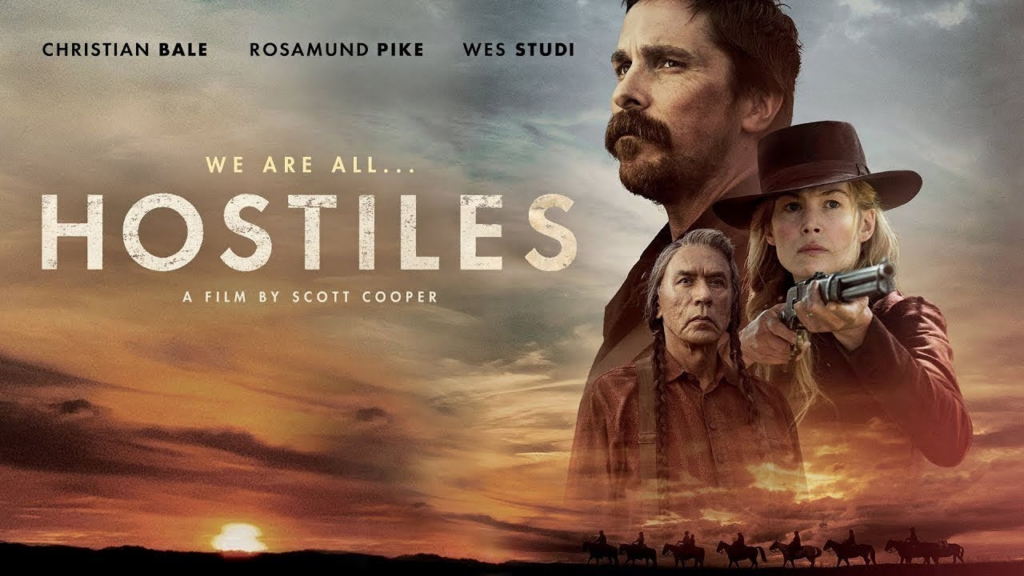
At the heart of Hostiles lies a deceptively simple mission loaded with profound tension: a U.S. Army officer is ordered to escort a dying Cheyenne chief—his lifelong enemy—back to tribal land to die in peace.
The story centers on Captain Joseph J. Blocker, a career soldier who has spent decades fighting Native Americans. His hatred runs deep, shaped by endless battles, trauma, and loss. To Blocker, the Cheyenne are not people—they are symbols of everything he has suffered.
Yet orders are orders. Blocker must lead a small escort through hostile territory, alongside the very people he was trained to destroy. The journey is fraught with danger, not only from external threats, but from unresolved hatred that threatens to erupt at any moment.
People Deformed by War
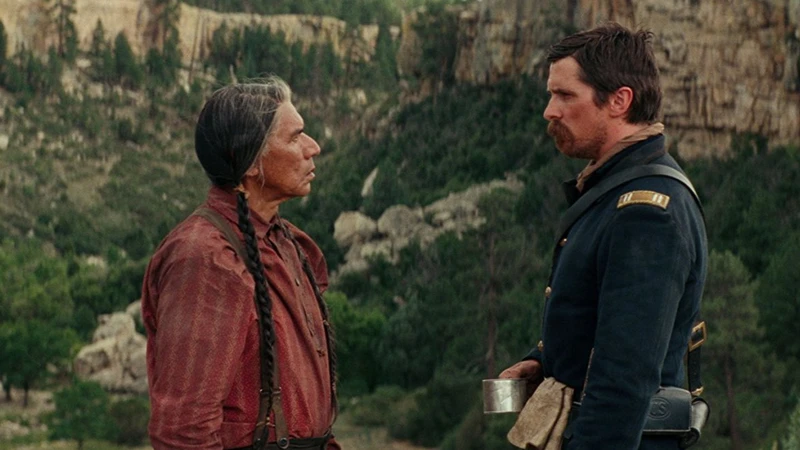
What sets Hostiles apart is its refusal to depict heroes and villains in simple terms. Instead, the film presents individuals shaped—and broken—by war.
Blocker is not a monster, but neither is he noble. He is a product of an institution that equated killing with duty. Beneath his rigid exterior lies a man spiritually exhausted, unable to exist outside of violence.
Conversely, the Cheyenne chief—despite his history of bloodshed—is portrayed as someone who has grown weary of hatred, seeking only to die on ancestral land. The film does not excuse his past, but it makes clear that violence does not create monsters—it turns humans into them.
A Woman and the Silent Cost of War
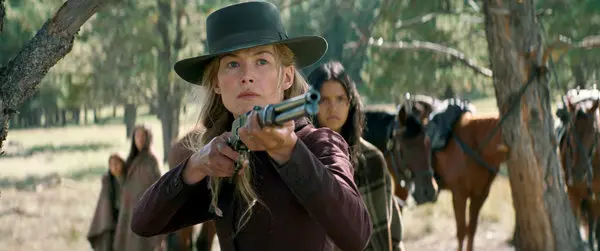
Running parallel to the central mission is the story of a woman who has lost everything in a brutal massacre. She represents the countless forgotten civilians crushed by history—people who belonged to no side yet suffered the greatest consequences.
Her presence does not soften the film’s violence. Instead, it sharpens it. She stands as a reminder that:
In war, the most vulnerable always pay the highest price.
A Western Without Romance—Only Brutality and Isolation
Visually, Hostiles embraces a stark, unadorned style. The American West is depicted as vast yet merciless: barren mountains, endless plains, freezing snow, and unforgiving silence.
Nature itself becomes a character—indifferent to human suffering. The landscape dwarfs the characters, emphasizing their insignificance and highlighting the futility of prolonged hatred.
The score is minimal, often dissolving into silence, allowing emotion to emerge through glances, gestures, and restraint, rather than dramatic musical cues.
Deliberate Pacing as a Narrative Choice
Hostiles unfolds at a measured, sometimes demanding pace. This is intentional. The slow rhythm forces viewers to endure the journey, to feel the fatigue, grief, and psychological burden carried by each character.
Transformation in the film is gradual. There are no sudden epiphanies. Change arrives through loss, confrontation, and forced proximity with the suffering of others—mirroring the way real moral reckoning occurs.
The Central Message: Hatred Produces No Victory
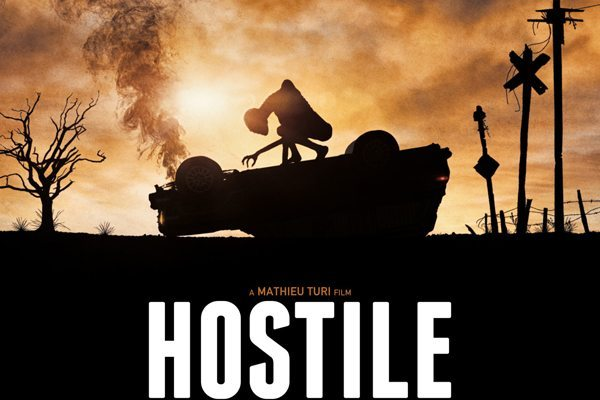
At its core, Hostiles exposes the futility of endless violence. When people see one another only as enemies, there are no winners—only survivors haunted by what they’ve done.
The film poses unsettling questions:
- Who is the aggressor, and who is the victim?
- Can justice exist in a history written by gunfire?
- Is forgiveness possible in a world conditioned by killing?
The film offers no comforting answers. It simply suggests that recognizing the humanity of the other—however late—is the only escape from the cycle of hatred.
A Story of Late Redemption
Ultimately, Hostiles is about redemption, but not redemption that erases the past. It is redemption as acknowledgment—choosing to act with humanity even when forgiveness may never come.
These moments are quiet, understated, and deeply human. They reflect the truth that:
Some wounds never heal, but they still deserve to be seen.
Conclusion
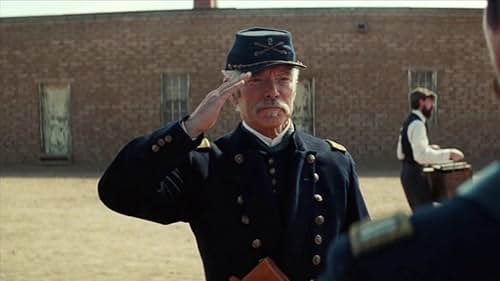
Hostiles (2017) is a film that is difficult but necessary. It does not entertain in a conventional sense. Instead, it demands reflection, forcing audiences to confront the darker truths of history and human nature.
This film is for viewers who:
- appreciate historically grounded, morally complex dramas
- are willing to engage with slow, heavy storytelling
- want to see the American West stripped of myth and romance
Hostiles reminds us that:
War does not end when the guns fall silent—it ends only when people stop seeing one another as enemies.
And sometimes, reconciliation comes too late—but it remains essential if humanity is to survive at all.
Gave luckyslot1 a go last night. Didn’t get rich but had a laugh. Nothing too special, but solid enough. Take a look at luckyslot1, could be your lucky day.