Accountability in Government: Restoring Balance with Term Limits
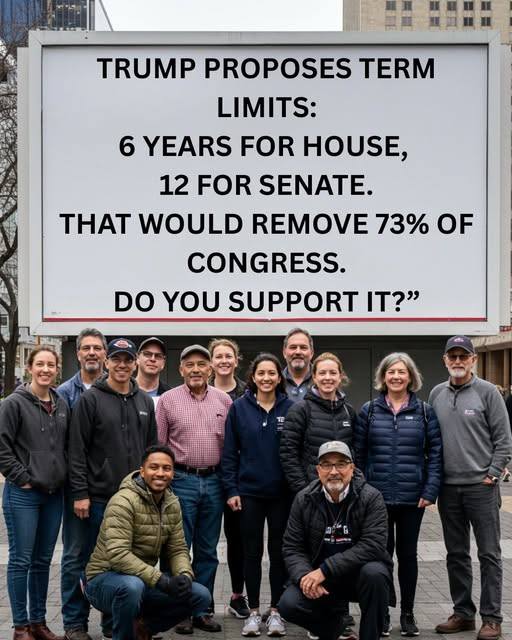
A Call for Change
In the heart of any democracy lies the core principle of accountability. Public service is meant to be just that — a service. It’s not a career to be passed down from one generation to the next, nor a lifelong position to be guarded with absolute power. Yet, when elected office becomes a permanent position, the voice of the everyday citizen begins to fade. It’s time to bring a shift back to the foundation of our democracy — one that includes term limits to ensure elected officials serve the people and not their own self-interest.
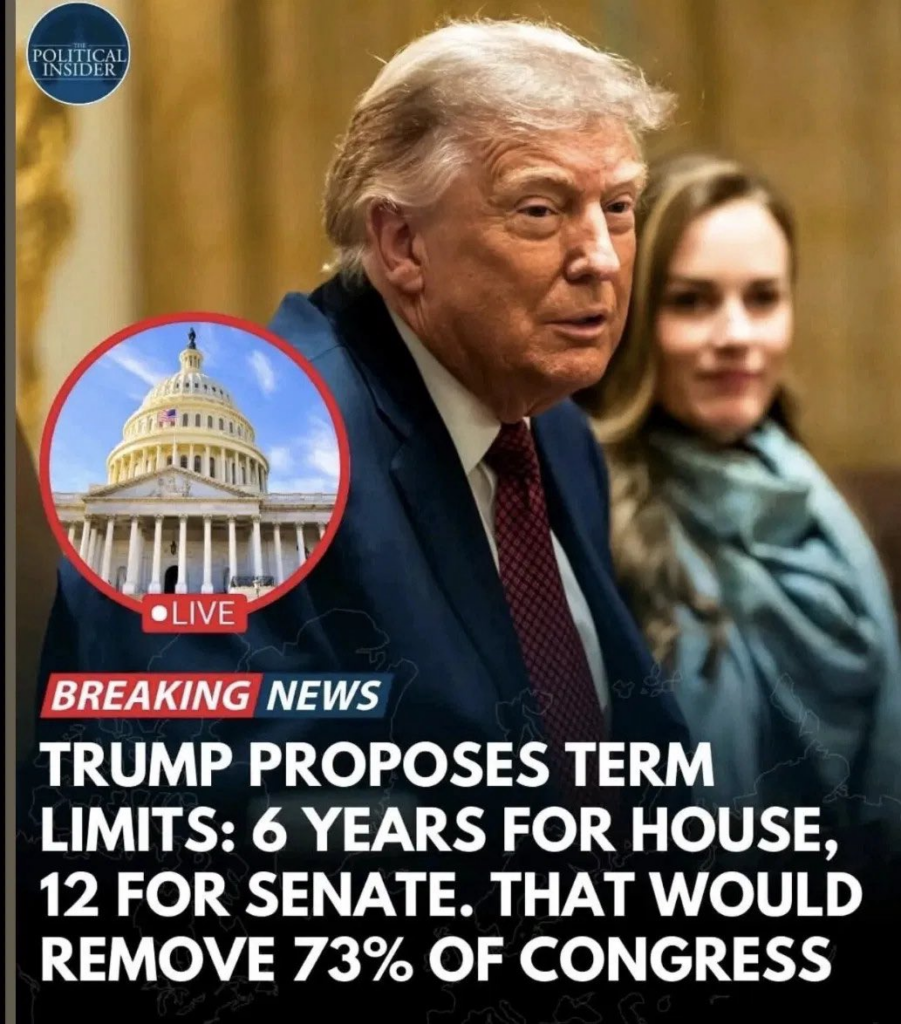
The Case for Term Limits: Why We Need a Change
Accountability in government starts with limits — limits that prevent the concentration of power, money, and influence in the hands of a few. Term limits represent a solution to the growing issues of dynasties and career politicians who have overstayed their welcome. They are about more than just partisan ; they are about giving the power back to the people.
1. The House and Its Original Design
The U.S. House of Representatives was designed to have regular turnover and responsiveness to the needs of the people. The Founding Fathers understood the importance of fresh ideas and perspectives. In a system without term limits, however, the House has been transformed into a place where incumbents hold power for decades, sometimes without ever facing real competition. Fresh voices are stifled, and the government becomes more disconnected from the people it was meant to represent.
2. Power and the Influence of Longevity
What happens when someone remains in office for decades? Over time, they amass power, wealth, and influence that can shape their decisions, often in ways that benefit their interests over those of the electorate. This concentration of power creates an imbalance, one where politicians work for their donors, lobbyists, and party insiders rather than the average citizen. By instituting term limits, we can break up these entrenched political structures and give way to more fair and equitable representation.
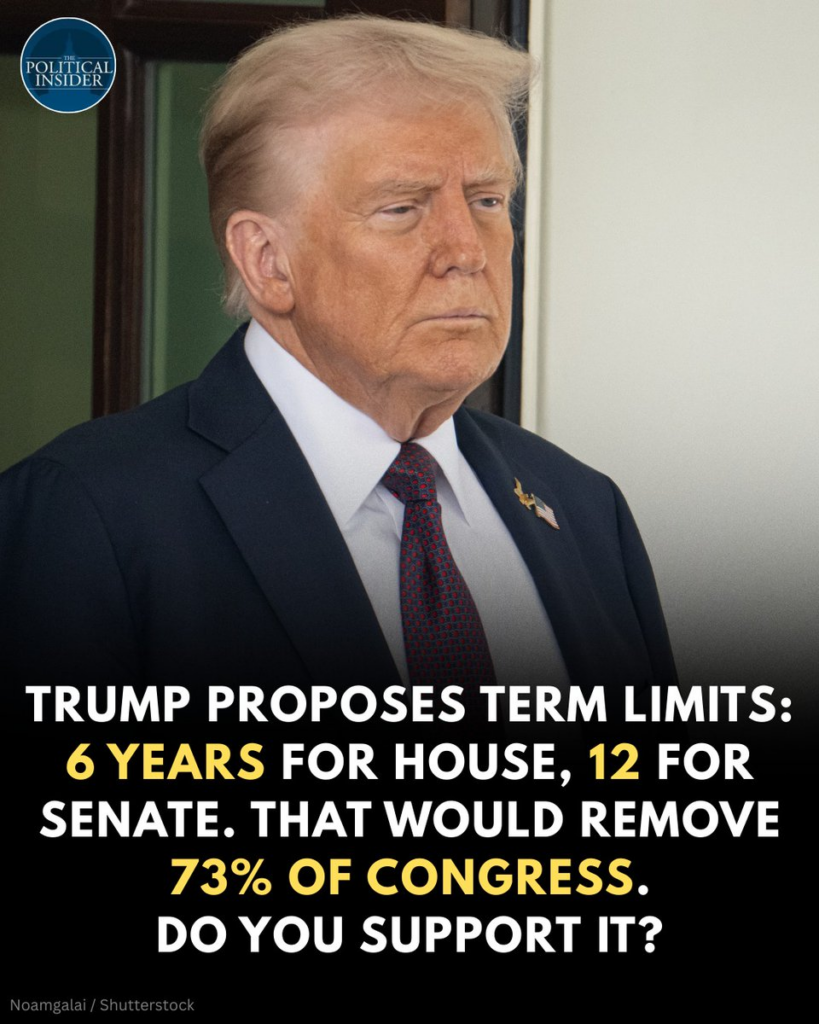
3. Bringing New Ideas to the Table
One of the strongest arguments for term limits is the infusion of new ideas into the political system. Long-serving politicians are often stuck in old ways of thinking, relying on established norms rather than thinking outside the box. Term limits bring in new people with fresh ideas, new solutions, and the energy needed to take on the challenges of the modern world. This dynamic, in turn, fosters healthier debates, promotes innovation, and ensures that the government remains adaptable to the changing needs of society.
4. Restoring the People’s Voice
Voters deserve representatives who are responsive to their needs and who are willing to work for the public good. When politicians remain in office for too long, they begin to view their position as a career, and their focus shifts away from the people to personal power and financial gain. Term limits are essential to ensuring that elected officials remember that they are there to serve the people, not to maintain a lifelong grip on power.
5. The Dangers of Political Dynasties
Political dynasties, where political power is passed down like an inheritance, pose a real threat to democracy. When families or individuals dominate political positions for generations, they create a closed system that excludes the average person from entry. Term limits act as a safeguard, preventing the rise of political royalty and allowing for a more diverse, representative political landscape

6. Giving Way for New Leaders
Public service should be a temporary duty, not a lifelong entitlement. Term limits ensure that after serving their time, politicians step aside to allow new individuals to take up the mantle. This constant flow of new leadership keeps the government in touch with its citizens, offering a reflection of the evolving society and culture.
The Benefits of Term Limits: A New Era of Governance
1. Improved Accountability:
With set limits, politicians are more likely to work with urgency and commitment, knowing their time in office is finite. There’s a greater sense of duty when the spotlight of public service shines for only a limited time.
2. Increased Citizen Engagement:
Term limits increase citizen engagement by encouraging more people to run for office. A political system that welcomes newcomers is a healthier system. By limiting tenure, we allow more voices to be heard.
3. Reduced Special Interest Influence:
With fewer long-term incumbents, the grip of special interest groups is weakened. A fresh, more diverse crop of lawmakers means fewer opportunities for corporate and lobbyist influence to control the legislative process.
4. A Stronger Democracy:
A democracy thrives when the people feel heard and represented. Term limits ensure that voters can choose from a wide pool of candidates, rather than being restricted to the same faces year after year.

Critics and Challenges: Overcoming the Opposition
While term limits are a common sense solution, they face strong opposition. Some argue that term limits remove experienced politicians from office, leaving a gap in leadership. Others claim that term limits lead to a revolving door of inexperienced lawmakers who may lack the expertise to handle complex issues.
However, the experience argument overlooks the fact that long tenure doesn’t necessarily equate to better leadership. In fact, many of the most effective politicians are those who serve with fresh perspectives and are not bogged down by the inertia of longstanding bureaucracy. Moreover, systems that have adopted term limits, such as the states with gubernatorial and legislative limits, have not seen a decline in effective governance.
How We Can Make It Happen: A Call to Action
The road to implementing term limits is not an easy one. It requires a collective effort from voters, advocacy groups, and lawmakers who are willing to stand up for what’s best for the American people. Term limits can only become a reality when citizens demand it — when they rally behind the idea that no politician should hold power forever.
The movement for term limits is not just about removing entrenched power; it’s about restoring balance to the democratic system. It’s about ensuring that the government serves the people, not the other way around.
Conclusion: The Future of Accountability in America
The time for term limits is now. It’s time to break the cycle of political entrenchment and bring fresh voices into the halls of power. It’s time to restore the American ideal of government by the people, for the people. Let’s embrace term limits and ensure that the true spirit of democracy remains intact, where public service is about duty, honor, and stepping aside to let others serve.