Julia Roberts — The Power of Saying “NO” in Hollywood
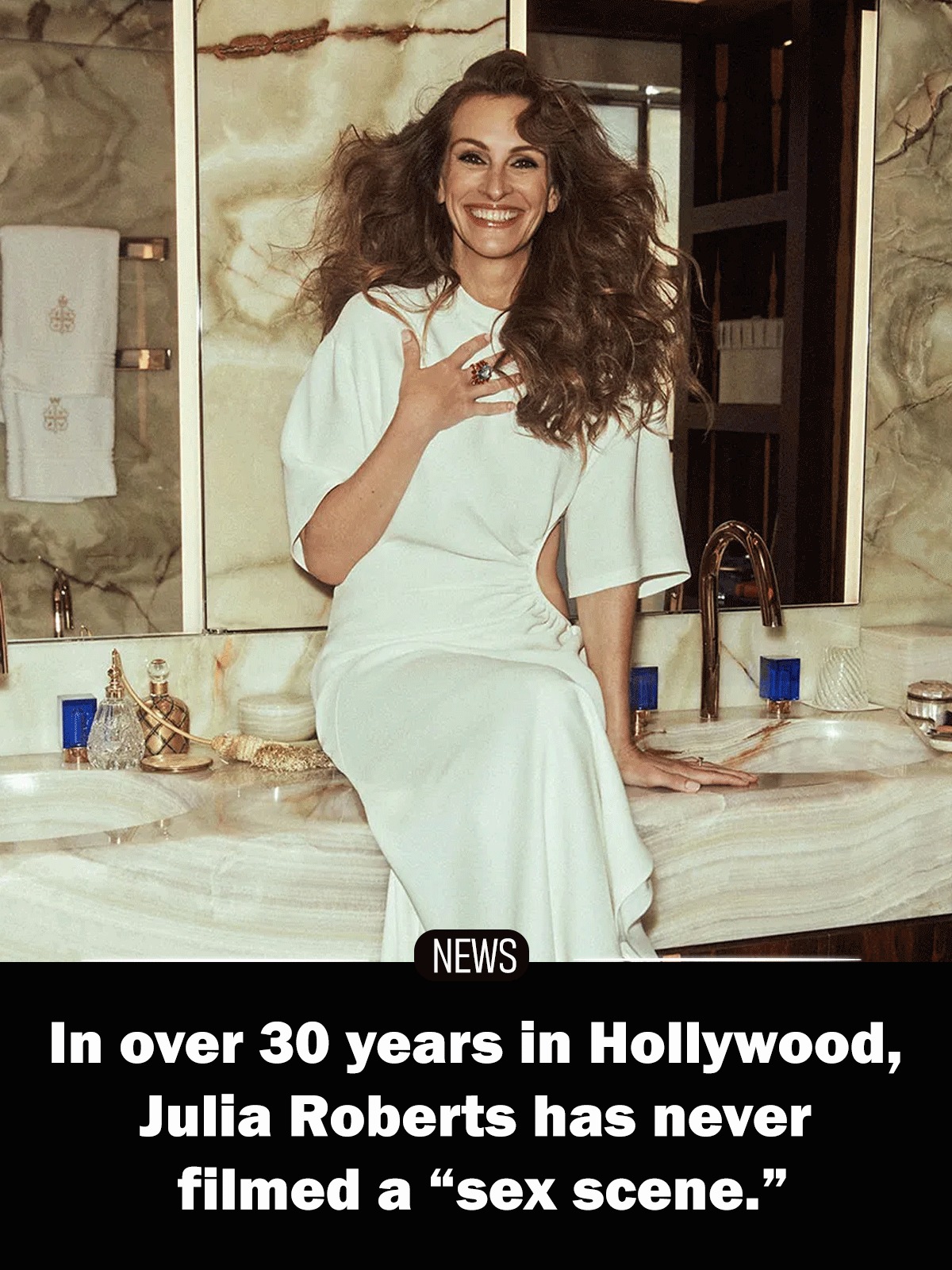
For more than 30 years in Hollywood, Julia Roberts — one of the most iconic actresses in cinematic history — has reached nearly every milestone imaginable: global fame, an Academy Award, unforgettable roles, top-tier salaries, and an influence that extends far beyond the screen.
Yet there is one remarkable fact that continues to surprise audiences and industry insiders alike:
👉 Julia Roberts has never filmed a traditional “sex scene.”
👉 No explicit nudity. No graphic sexual exposure on camera.
Even when portraying a prostitute in Pretty Woman (1990) — the film that launched her into worldwide stardom — Julia Roberts firmly refused to cross that boundary.
Not out of conservatism.
Not out of fear.
But because it was a conscious choice made by a woman who knew exactly who she was.
🌹 Pretty Woman: When Refusing Nudity Didn’t Diminish Desire
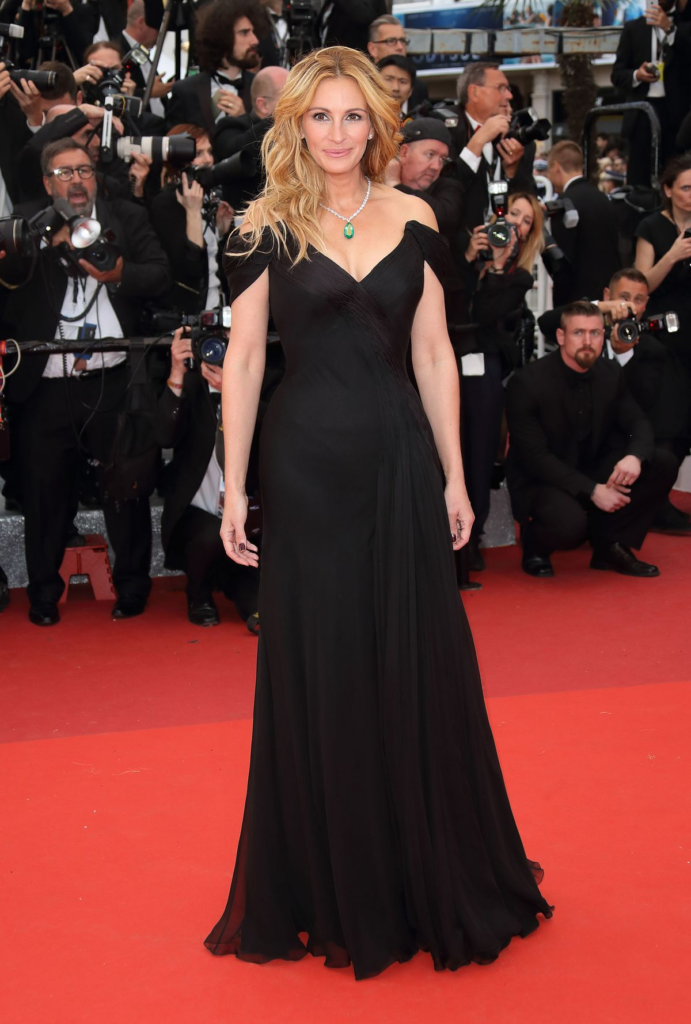
Pretty Woman remains one of the most fascinating contradictions in film history. A story centered around sex work, yet it became one of the most beloved romantic films of all time.
Julia Roberts’ Vivian Ward is:
- Sensual without being vulgar
- Magnetic through her smile, eyes, and natural warmth
- Irresistible without exposing her body
Few people realize that during production, Julia Roberts clearly and consistently declined any request for nudity or explicit sexual scenes. Director Garry Marshall respected her boundary and chose instead to build the film around emotion, chemistry, and character interaction rather than physical exposure.
The result?
- Pretty Woman became a cultural phenomenon
- Julia Roberts became “America’s Sweetheart” overnight
- And Hollywood learned a powerful lesson: sex appeal does not require sex scenes
🎭 Hollywood and the Myth of “Necessary” Sex Scenes
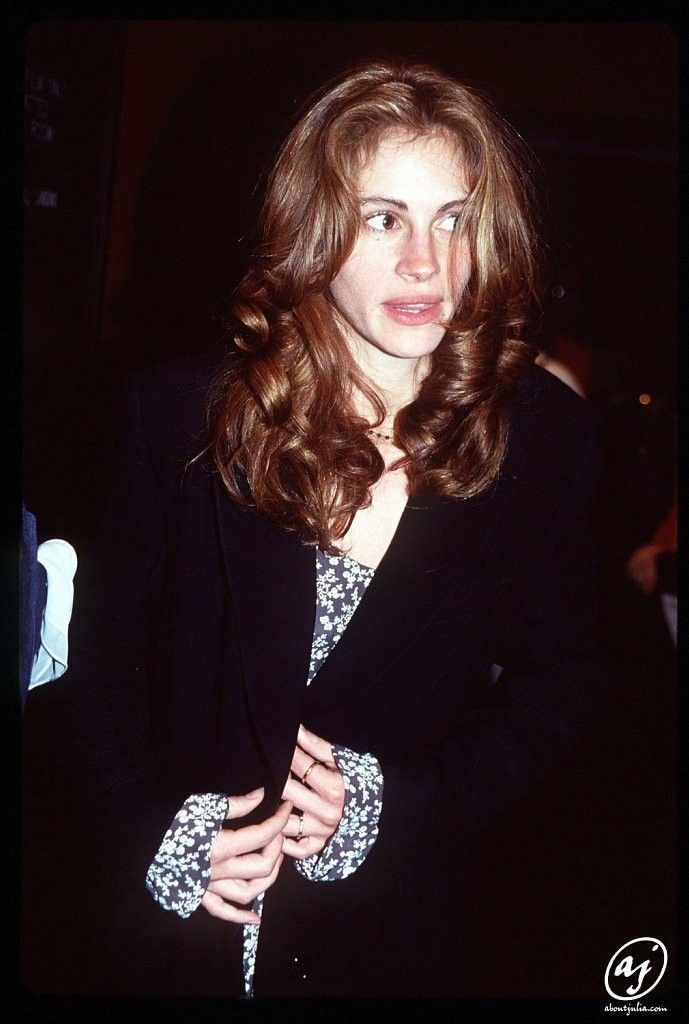
For decades, Hollywood has operated under an unspoken rule:
If you want to be taken seriously as an actress, you must be willing to take your clothes off.
Many actresses have admitted that:
- Sex scenes are framed as a “rite of passage”
- A shortcut to artistic credibility
- A supposed requirement for “bold” or “complex” roles
In that environment, Julia Roberts repeatedly saying “no” — while remaining a top-tier star — was almost unheard of.
Yet instead of being sidelined, she:
- Continued receiving increasingly substantial roles
- Became a box-office guarantee
- Maintained full control over her public image
This raises an important question:
👉 What gave Julia Roberts the confidence to refuse what Hollywood considered “normal”?
💎 Confidence Rooted in Self-Worth
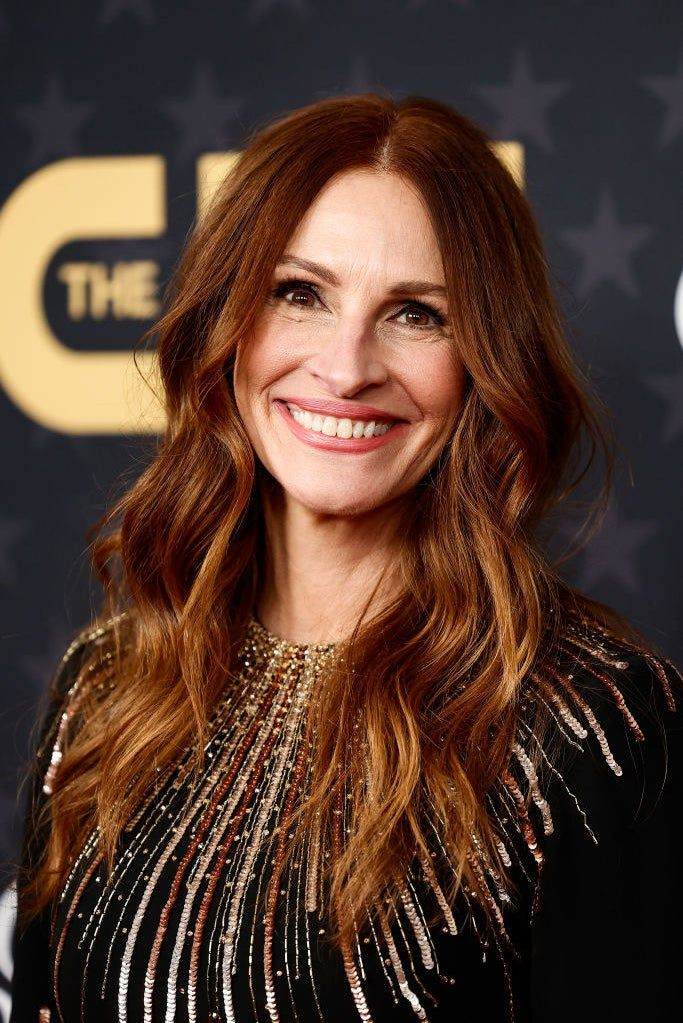
The answer lies not in power, but in identity.
Julia Roberts has explained many times that:
- Her refusal was not a moral statement
- Nor an attempt to appear “above” others
- It was simply a personal boundary
That boundary allowed her to work with freedom, clarity, and confidence.
In Erin Brockovich — the role that earned her an Oscar — she portrayed a woman who was:
- Fierce
- Emotionally raw
- Completely authentic
Yet once again, vulnerability came from performance, not physical exposure.
Julia Roberts proved that:
Truth in acting is not measured by how much skin is shown, but by how deeply a character is felt.
👩👧👦 Motherhood and the Right to Protect One’s Image
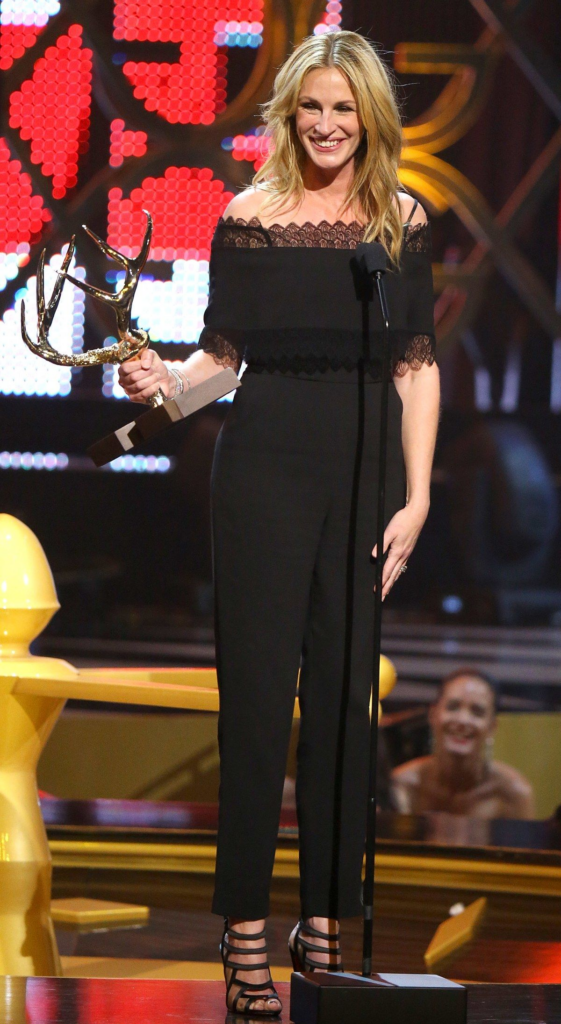
After becoming a mother of three, Julia Roberts spoke even more openly about her choices.
She has said, in essence:
“I don’t want my children to encounter images of me that I myself don’t believe were necessary.”
This perspective is not judgmental.
Julia Roberts has never criticized actresses who choose differently.
Her stance has always been clear:
- Every person has their own boundaries
- And the right to define those boundaries is sacred
🎬 When “Not Doing” Becomes a Statement
In the post-#MeToo era, Julia Roberts’ story has taken on renewed significance.
The fact that a woman could:
- Refuse explicit scenes
- Avoid career punishment
- And still achieve extraordinary success
… demonstrates that Hollywood is not always an immovable machine. Often, the real determining factors are:
- Negotiation power
- Self-belief
- Knowing one’s value
Julia Roberts didn’t fight Hollywood.
She redefined how Hollywood treated her.
🌟 What Truly Creates That Level of Confidence?
Julia Roberts’ confidence rests on four core foundations:
- Talent that doesn’t require extreme sacrifice to be proven
- Star power strong enough to allow choice
- A clear, unshakable sense of identity
- Deep respect for herself
She never needed to conform to what “Hollywood considers normal” in order to be validated —
because she became the standard herself.
✨ Conclusion: The Power of Saying “No”
Julia Roberts’ story is not about:
- “Women should avoid sex scenes”
- Or “Hollywood is inherently exploitative”
It is about something far more fundamental:
The right to say “no” — and still succeed.
In an industry built on pressure and compliance, Julia Roberts reminds us that:
- Boundaries do not weaken you
- They strengthen you
And sometimes, what turns a superstar into a legend
… is not what they are willing to do,
but what they firmly refuse to do. ✨