Christina Ricci Calls Out Jimmy Fallon Over Conor McGregor Appearance, Reigniting Debate Over Celebrity Platforms
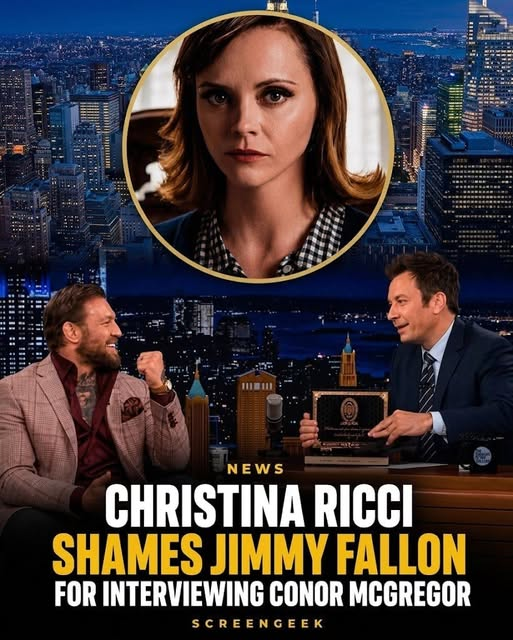
Christina Ricci has sparked a major online conversation after criticizing Jimmy Fallon for featuring Conor McGregor on The Tonight Show. The actress, known for her roles in Wednesday, Yellowjackets, The Addams Family, and Sleepy Hollow, reshared an Instagram post condemning Fallon’s decision to give McGregor a mainstream entertainment platform despite the serious civil case connected to Nikita Hand.
The post, originally shared by entrepreneur Adam McRae, accused the late-night host of ignoring the gravity of the allegations and the court findings surrounding McGregor. Ricci’s decision to amplify the message quickly drew attention, turning what might have been a routine talk-show appearance into a much larger debate about accountability, fame, and who gets welcomed back into the spotlight.
McGregor, one of the most recognizable figures in mixed martial arts, appeared on Fallon’s show as part of his public return to the media circuit. For many viewers, the interview was presented like a standard celebrity guest segment: light conversation, promotional energy, and the familiar warmth of late-night television. But for critics, including Ricci, that kind of friendly platform felt deeply inappropriate given the legal and public controversy surrounding him.
The backlash centers on the civil case brought by Nikita Hand in Ireland. A civil jury found in Hand’s favor after she accused McGregor of assaulting her in a Dublin hotel in 2018. McGregor has denied wrongdoing and maintained that the encounter was consensual, but the civil verdict and later appeal outcome have remained a significant part of public discussion around him. Because of that, many people questioned why a major American late-night show would give him a polished, upbeat appearance without addressing the seriousness of the case.
Ricci’s repost did not appear to be a long personal statement, but it was enough to make her position clear. By sharing the post, she joined a growing group of critics who believe entertainers, athletes, and public figures should not be able to move past serious findings simply because they remain famous, profitable, or popular. Her criticism was not only aimed at McGregor, but also at the media system that continues to offer public rehabilitation to controversial figures through friendly interviews.
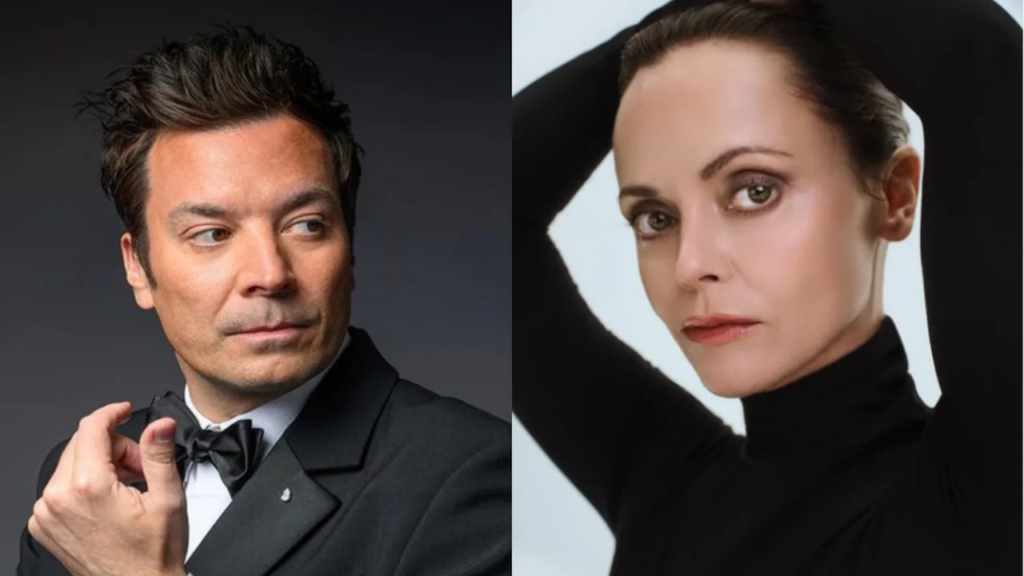
This is where the controversy becomes bigger than one celebrity guest booking. The central question is not just whether Conor McGregor should appear on television. The question is what responsibility talk shows have when they choose to host someone with a deeply troubling public record. Late-night programs are not courts, but they are powerful cultural spaces. They shape how audiences see public figures. A warm interview can soften someone’s image, shift attention away from harmful behavior, and help rebuild a brand.
For critics, that is exactly the problem. When a guest is given laughter, applause, and casual conversation without meaningful context, viewers may feel that serious allegations or civil findings are being minimized. The format itself can become a form of image repair. Even if the host does not directly defend the guest, the invitation alone can feel like acceptance.
Jimmy Fallon has built his career around friendliness, humor, and celebrity comfort. His show is not known for aggressive interviews or confrontational journalism. Guests usually appear to promote a project, a performance, a sports event, or a public comeback. That formula works for many celebrities, but it becomes complicated when the guest is connected to serious allegations or legal judgments. In those cases, the lightness of the format can feel out of step with the gravity of the situation.
That is why Ricci’s criticism resonated with so many people online. Her repost expressed a frustration that has been growing for years: the belief that famous men are often given opportunities to continue their careers while the people who accuse them are left to carry the emotional, legal, and public burden. The entertainment industry has faced repeated criticism for welcoming controversial figures back into the mainstream too quickly, especially when their fame or commercial value remains strong.
The reaction to Fallon’s McGregor interview also reflects a broader cultural shift. Audiences are no longer only asking whether someone is famous enough to be invited on a show. They are asking what message that invitation sends. They are asking whether networks, producers, hosts, and publicists are thinking about survivors, victims, and the wider consequences of platforming. In the past, many controversial appearances might have passed with limited backlash. Today, viewers respond instantly, and social media can turn a booking decision into a public ethics debate within hours.
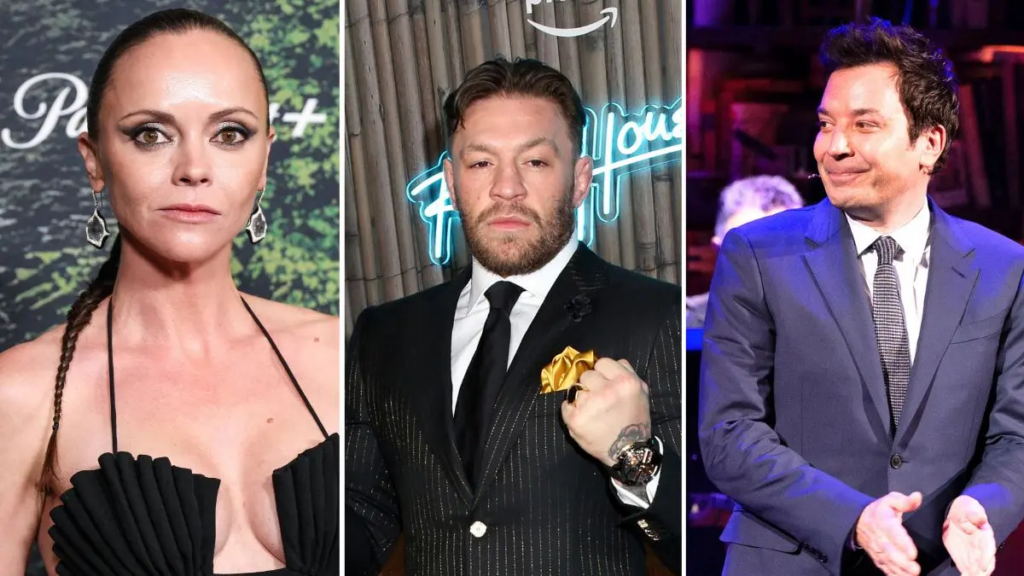
Ricci’s involvement gave the criticism more visibility because she is not simply an anonymous online voice. She is a well-known actress with a long career and a public profile. When someone like Ricci chooses to speak out, even through a repost, it can help push a conversation into mainstream entertainment news. Her reaction suggested that the issue was not only about fandom or online outrage, but about a deeper discomfort within the entertainment community itself.
There is also a tension between legal language and moral accountability. McGregor has denied the allegations, and public discussion must acknowledge that. At the same time, the civil court outcome is part of the public record, and critics argue that media platforms cannot simply ignore it. A person may remain legally free to appear on television, but audiences are also free to question whether that appearance is responsible, respectful, or appropriate.
This distinction matters. The controversy is not about whether Fallon had the legal right to interview McGregor. Of course he did. It is about whether he should have. It is about whether a mainstream comedy platform should help normalize a public figure after a serious civil finding. It is about whether entertainment value should outweigh public accountability.
For survivors and advocates, these moments can feel especially painful. Seeing someone accused or found liable in a serious case receive applause and celebrity treatment can send a damaging message. It can make people feel that fame protects powerful men from lasting consequences. It can also discourage survivors from coming forward if they believe the public will eventually move on while the accused person continues to be celebrated.
Supporters of McGregor may argue that he has denied the claims and that he should be allowed to continue his career. Others may say a talk show appearance is not the same as an endorsement. But for Ricci and many critics, the issue is not that simple. In modern media, visibility is valuable. A major late-night appearance is not neutral. It helps shape a public image, and that image can matter deeply when serious harm has been alleged and litigated.
The debate also places Fallon in a difficult position. Late-night hosts often rely on booking major names, and McGregor remains a globally recognizable figure. But popularity does not erase responsibility. If a show chooses to feature a controversial guest, viewers increasingly expect either context, accountability, or at least some awareness of why the appearance may be upsetting.
So far, the backlash has continued to grow across social media and entertainment outlets. Whether Fallon or The Tonight Show chooses to respond remains to be seen, but the controversy has already achieved something important: it has forced a conversation about the difference between celebrity access and moral responsibility.
Christina Ricci’s repost may have been brief, but its impact was significant. It turned a late-night interview into a public statement about platforming, accountability, and the way entertainment media treats powerful figures after serious controversy. For many people, her message was simple: fame should not automatically grant someone a soft landing.
At its core, this story is not only about Christina Ricci, Jimmy Fallon, or Conor McGregor. It is about the culture that decides who gets forgiveness, who gets silence, and who gets a microphone. Ricci’s criticism has reminded audiences that the choice to give someone a platform is never just a booking decision. Sometimes, it is a statement about what the industry is willing to overlook.
The volatility patterns here suggest deeper analysis is needed. Focus on the underlying mechanics, not just the surface action. Check out 8live app for a data-driven view.