Philadelphia (1993)
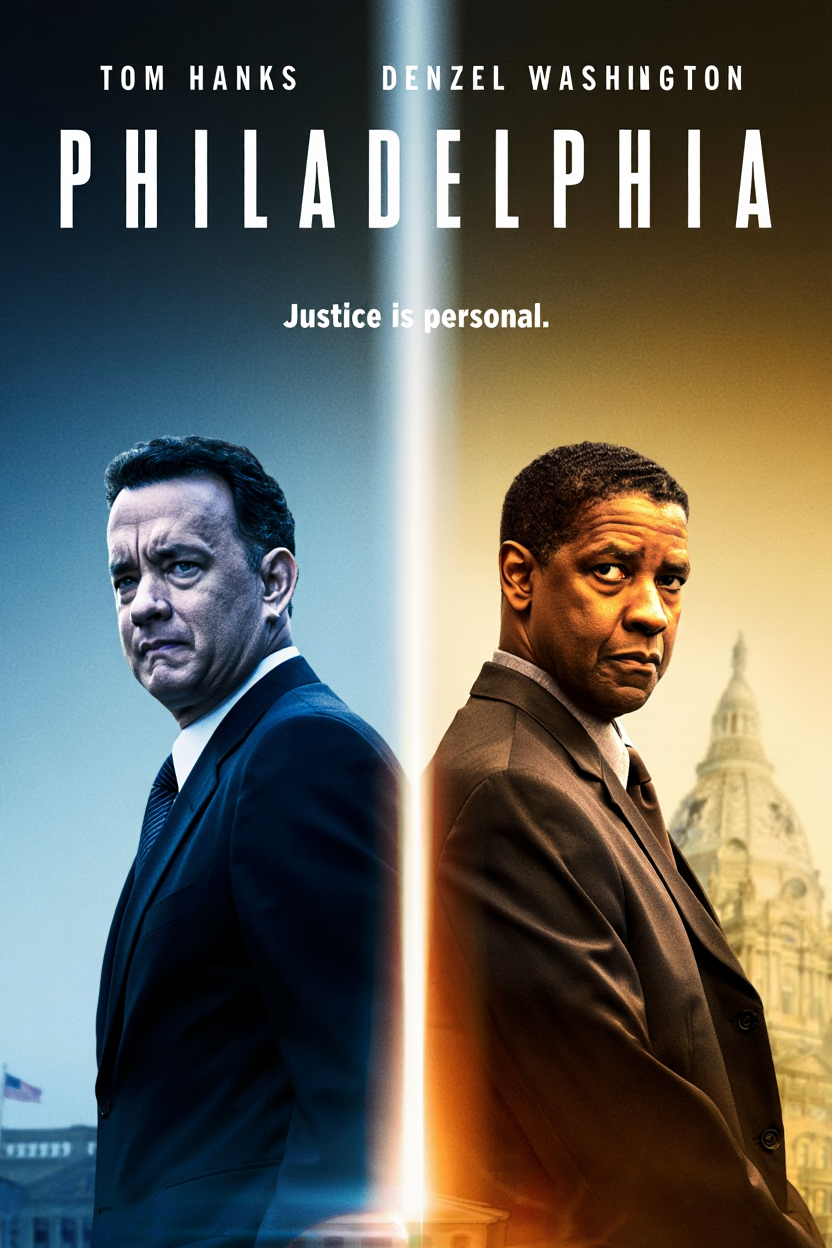
Introduction to Philadelphia (1993): A Landmark in Cinema and Society
Philadelphia (1993), directed by Jonathan Demme, is a cinematic masterpiece that combines artistic excellence with profound social impact, reshaping public perceptions of HIV/AIDS, discrimination, and LGBTQ+ rights. Featuring stellar performances by Tom Hanks and Denzel Washington, this film is not only a compelling drama but also a cultural milestone that sparked important conversations about equality and human dignity. With its powerful storytelling, unforgettable music, and bold thematic exploration, Philadelphia remains a timeless work that resonates with audiences to this day.
Basic Information
- Director: Jonathan Demme
- Screenwriter: Ron Nyswaner
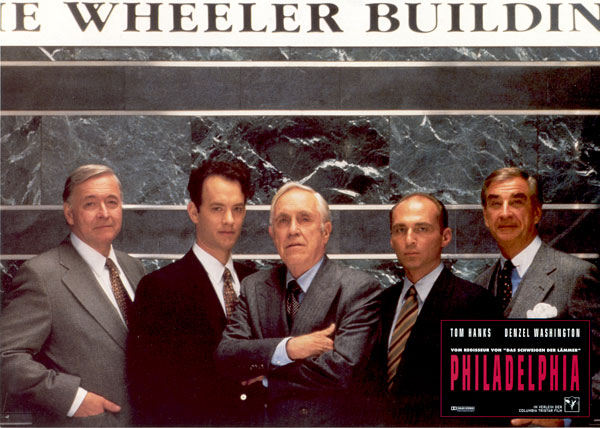
- Main Cast: Tom Hanks (Andrew Beckett), Denzel Washington (Joe Miller), Antonio Banderas (Miguel Alvarez), Joanne Woodward (Sarah Beckett), Jason Robards (Charles Wheeler)
- Genre: Drama, Social Issues, Legal
- Runtime: 125 minutes
- Release Date: December 22, 1993
- Production Company: TriStar Pictures
- Language: English
- Notable Awards:
- Academy Award for Best Actor (Tom Hanks)
- Academy Award for Best Original Song (“Streets of Philadelphia” – Bruce Springsteen)
- Oscar nominations for Best Original Screenplay, Best Makeup, and Best Original Song (“Philadelphia” – Neil Young)
- Golden Globe Award for Best Actor in a Motion Picture – Drama (Tom Hanks)
- Golden Globe Award for Best Original Song (“Streets of Philadelphia”)
Historical Context and Significance
Released in 1993, Philadelphia emerged during a time when HIV/AIDS was heavily stigmatized in the United States. In the 1980s and early 1990s, the disease was often mischaracterized as a “gay plague,” leading to widespread discrimination against those diagnosed with HIV/AIDS and the broader LGBTQ+ community. People living with HIV faced social ostracism, job loss, and even rejection by their families. Against this backdrop, Philadelphia was a groundbreaking Hollywood film that dared to confront these issues head-on, bringing the story of a gay man with HIV to mainstream audiences.
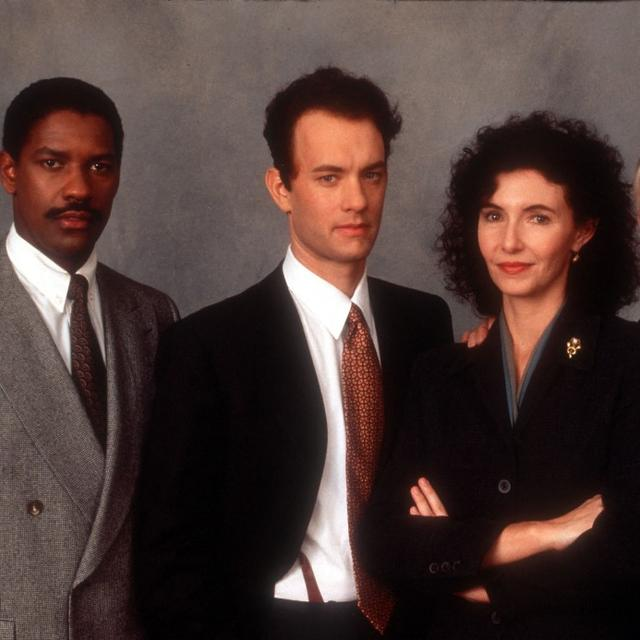
Inspired by real-life cases, such as the lawsuit filed by lawyer Geoffrey Bowers against his law firm for wrongful termination due to his HIV status, Philadelphia broke new ground by humanizing the struggles of those affected by HIV/AIDS. The film challenged societal prejudices and opened the door to public discourse on topics previously considered taboo. It played a pivotal role in fostering empathy and advancing the fight for equality, making it a landmark in both cinematic and social history.
Plot Summary
Philadelphia centers on Andrew “Andy” Beckett (Tom Hanks), a talented young lawyer working at a prestigious Philadelphia law firm. Andy is secretly living with HIV, which progresses to AIDS, and he is also a gay man in a committed relationship with his partner, Miguel Alvarez (Antonio Banderas). When his condition becomes apparent, Andy is abruptly fired from his job under dubious pretenses. Convinced that his termination was a result of discrimination based on his health and sexual orientation, Andy decides to sue his former employer.
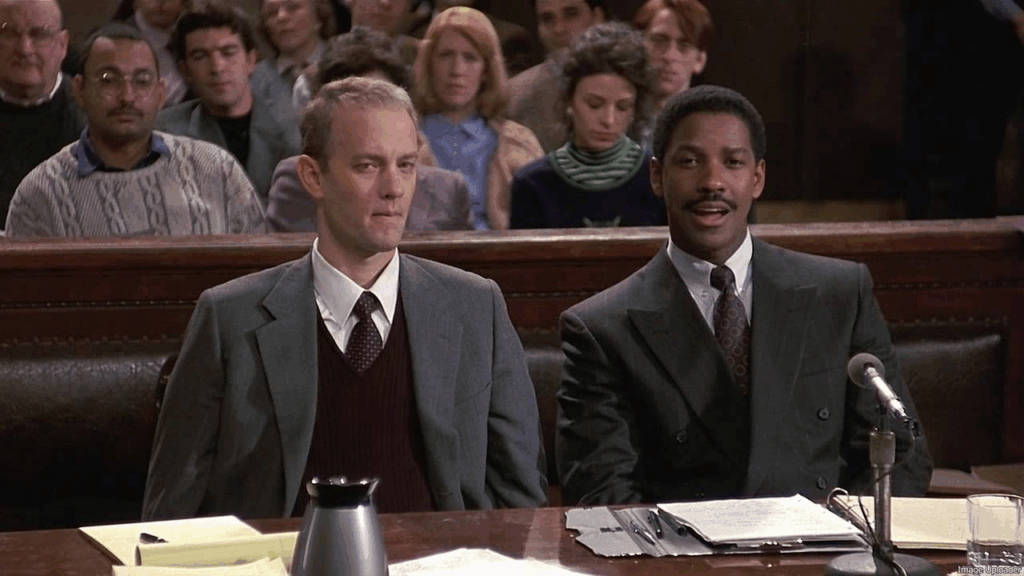
To represent him in court, Andy enlists Joe Miller (Denzel Washington), a small-time lawyer who initially harbors prejudices against gay people and those with HIV/AIDS. The film follows Andy’s legal battle, interwoven with his personal struggles, as he faces deteriorating health, societal stigma, and the emotional toll of fighting for justice. Simultaneously, it traces Joe’s transformation as he confronts his own biases and grows to respect and empathize with Andy. Through its courtroom drama and intimate character moments, Philadelphia delivers a powerful message about resilience, compassion, and the pursuit of fairness.
Key Highlights
- Exceptional Performances:
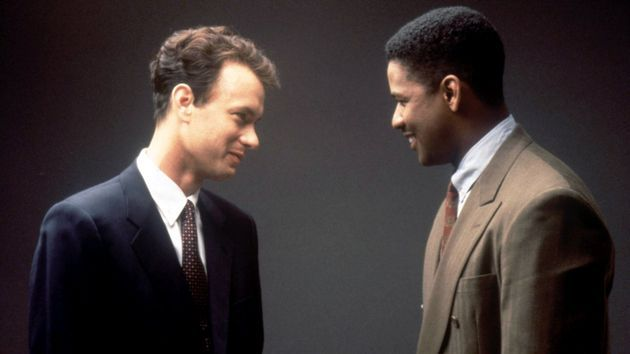
Tom Hanks delivers a career-defining performance as Andy Beckett, portraying a man who is both vulnerable and resolute in the face of injustice and illness. His nuanced acting earned him a well-deserved Oscar, with iconic scenes like Andy’s emotional connection to Maria Callas’ aria leaving a lasting impact. Denzel Washington shines as Joe Miller, embodying a complex character whose journey from prejudice to understanding mirrors the broader societal shift the film advocates. The chemistry between Hanks and Washington elevates the film, making their interactions both compelling and authentic. - Haunting Soundtrack:
The film’s music is a standout feature, with Bruce Springsteen’s “Streets of Philadelphia” serving as an anthem of sorrow and hope. The song, which won an Oscar and a Golden Globe, captures the emotional weight of Andy’s struggle. Neil Young’s “Philadelphia” and the use of Maria Callas’ operatic performances further enhance the film’s emotional depth, creating moments of profound resonance that linger with viewers. - Powerful Social Message:
At a time when HIV/AIDS was shrouded in fear and misinformation, Philadelphia boldly addressed the humanity of those affected. By focusing on Andy’s fight for dignity, the film challenged stereotypes and called for an end to discrimination. It also shed light on the personal toll of systemic injustice, making it a rallying cry for social change. - Artistic Craftsmanship:
Director Jonathan Demme masterfully balances the film’s legal drama with its emotional core, using subtle cinematography and intimate close-ups to highlight the characters’ humanity. The screenplay by Ron Nyswaner weaves together courtroom tension and personal moments, ensuring the film is both thought-provoking and deeply moving. Scenes like Andy’s explanation of his love for opera or the family gathering at his childhood home are crafted with sensitivity, emphasizing the universal need for acceptance.
Cultural Impact
Upon its release, Philadelphia received widespread acclaim for its courage in tackling sensitive issues, though it also faced criticism from some activists who felt it did not go far enough in representing the full spectrum of the LGBTQ+ community. Nevertheless, the film was a commercial and critical success, grossing over $200 million worldwide and earning praise for its performances and message. It sparked vital conversations about HIV/AIDS, discrimination, and gay rights, influencing public policy and societal attitudes. The film’s legacy endures, as it continues to be studied in discussions of media representation and social justice.
Why You Should Watch
- Emotional Depth: Philadelphia is a profoundly moving film that blends legal drama with personal storytelling, offering a universal message about fighting for what is right.
- Timeless Relevance: Its themes of equality, compassion, and resilience remain as pertinent today as they were in 1993.
- Cinematic Excellence: With stellar performances, a poignant soundtrack, and masterful direction, the film is a must-see for fans of powerful storytelling.
- Educational Value: For those interested in social history, Philadelphia provides insight into the challenges faced by the HIV/AIDS community and the fight for LGBTQ+ rights during a pivotal era.
Where to Watch
Philadelphia is available on various streaming platforms, including Netflix, Amazon Prime Video, or for rent/purchase on services like iTunes, Google Play, and YouTube. Check availability in your region to experience this cinematic gem.
Final Thoughts
Philadelphia is more than a film; it’s a cultural touchstone that challenged norms, broke barriers, and gave a voice to the marginalized. Its blend of artistry, emotion, and social commentary makes it a timeless classic that continues to inspire and educate. Whether you’re drawn to compelling performances, impactful music, or stories that spark change, Philadelphia is a film that will leave an indelible mark on your heart and mind.
**mitolyn reviews**
Mitolyn is a carefully developed, plant-based formula created to help support metabolic efficiency and encourage healthy, lasting weight management.
Your article helped me a lot, is there any more related content? Thanks! https://www.binance.bh/register?ref=JW3W4Y3A
Thank you for your sharing. I am worried that I lack creative ideas. It is your article that makes me full of hope. Thank you. But, I have a question, can you help me?
Thank you for your sharing. I am worried that I lack creative ideas. It is your article that makes me full of hope. Thank you. But, I have a question, can you help me? https://www.binance.com/hu/register?ref=IQY5TET4
Thanks for sharing. I read many of your blog posts, cool, your blog is very good.