Tears of the Sun (2003)
Introduction
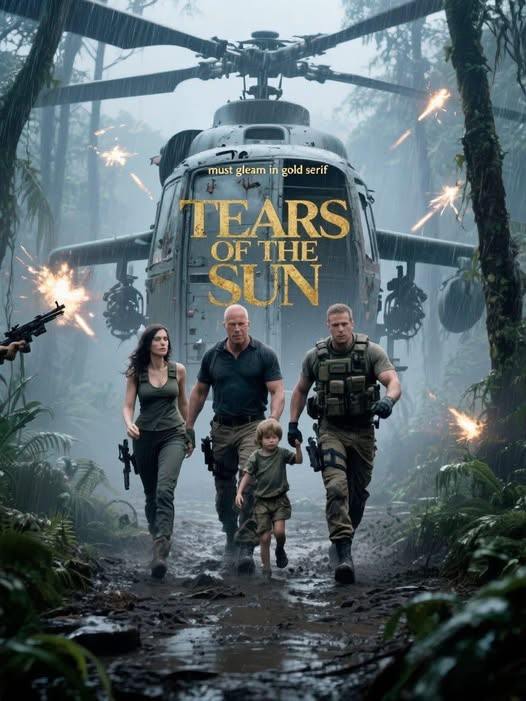
Tears of the Sun is a 2003 American war action film directed by Antoine Fuqua, featuring a stellar cast including Bruce Willis as Lieutenant A.K. Waters, Monica Bellucci as Dr. Lena Kendricks, Cole Hauser as James “Red” Atkins, and Eamonn Walker as Ellis “Zee” Pettigrew. Set in a fictional civil war in Nigeria, the film follows a U.S. Navy SEAL team tasked with rescuing an American doctor amidst escalating violence. Beyond its intense action sequences, Tears of the Sun explores profound themes of morality, compassion, and sacrifice, making it a thought-provoking addition to the war movie genre.
Plot Summary
The film opens with Nigeria descending into chaos following a military coup that overthrows the democratic government, sparking ethnic violence and widespread unrest. A U.S. Navy SEAL team, led by Lieutenant A.K. Waters, is dispatched from the USS Harry S. Truman to extract Dr. Lena Kendricks, an American citizen working at a remote missionary clinic. The initial mission is straightforward: rescue Kendricks and two colleagues (a priest and a nun) and return them to safety.
However, complications arise when Kendricks refuses to leave unless the SEAL team agrees to escort 70 refugees, including the injured and orphaned, to safety. This demand puts Waters in a moral dilemma, as his orders explicitly limit the mission to rescuing American citizens. After witnessing horrific war crimes—such as massacres, rapes, and village burnings—perpetrated by rebel forces, Waters defies his orders and decides to lead the refugees through the jungle to the Cameroon border. The journey is fraught with danger, with the team facing relentless pursuit by rebel forces, leading to intense firefights and a climactic battle at the border.
Themes and Messages
1. Moral Conflict
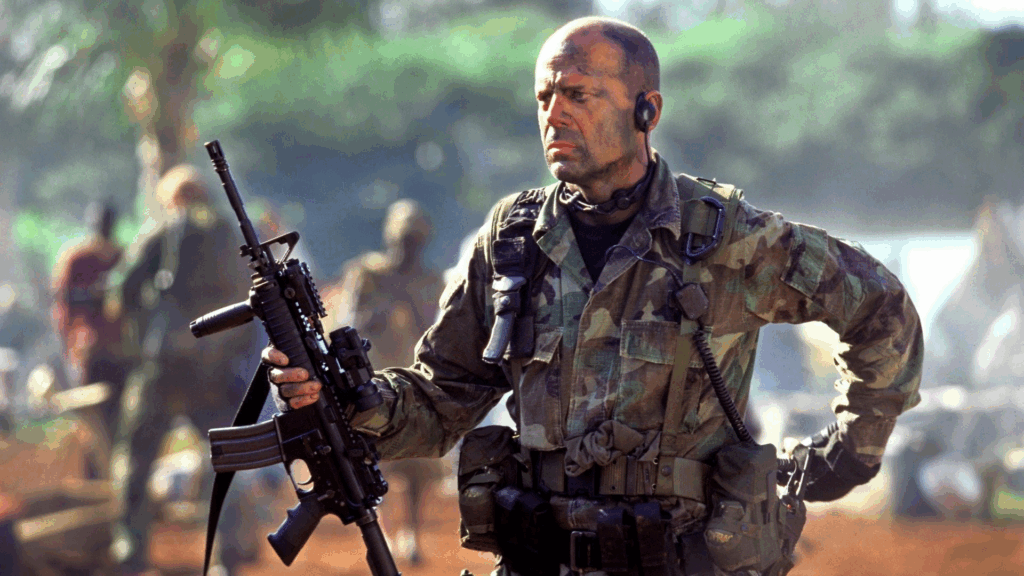
At its core, Tears of the Sun is a story about the tension between duty and conscience. Lieutenant Waters begins as a disciplined soldier who strictly follows orders, but the atrocities he witnesses force him to question the morality of abandoning innocent civilians. His decision to protect the refugees, even at the risk of his team’s lives, marks a significant transformation, highlighting the human capacity for empathy in the face of rigid military protocol.
2. Human Compassion
The film emphasizes the power of compassion in dire circumstances. Dr. Lena Kendricks embodies humanitarian ideals, risking her life to protect those in her care. The SEAL team, initially focused on their mission, gradually embraces a broader sense of responsibility, with several members making ultimate sacrifices. The film underscores that even in the chaos of war, acts of kindness and humanity can prevail.
3. The Harsh Realities of War
Tears of the Sun does not shy away from depicting the brutalities of war. Scenes of ethnic cleansing, civilian massacres, and destruction are portrayed with stark realism, immersing viewers in the horrors of conflict. The film also touches on real-world issues such as genocide, refugee crises, and the complexities of international intervention in African conflicts, even within its fictional framework.
4. Brotherhood and Teamwork
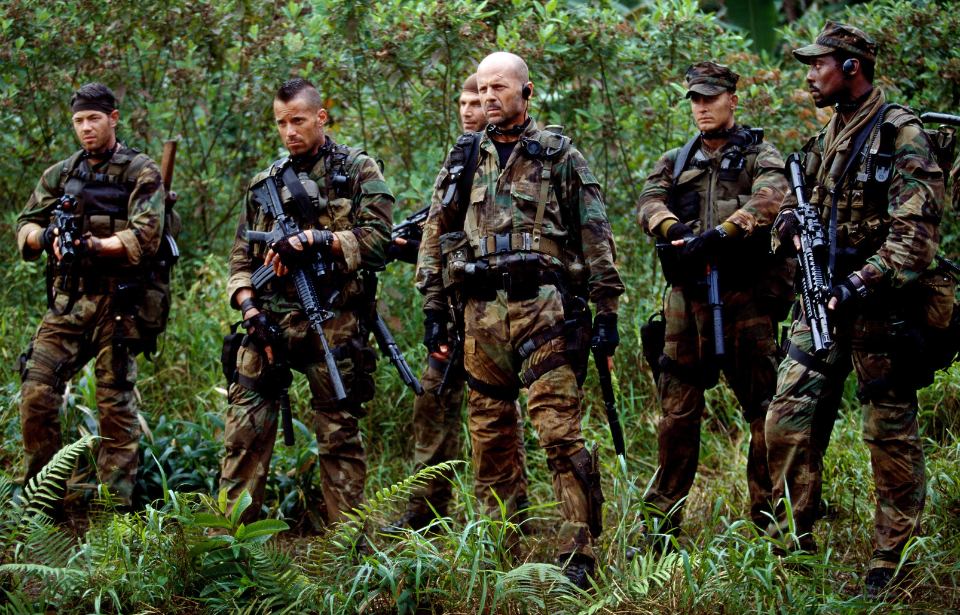
The camaraderie among the SEAL team members is a central element of the film. Despite internal disagreements and the immense pressure of their mission, the team demonstrates unwavering loyalty and unity. Each member—Waters, Red, Zee, Slo (Nick Chinlund), Doc (Paul Francis), and others—brings a unique perspective, reinforcing the theme of brotherhood in high-stakes situations.
Filmmaking Style
1. Direction and Cinematography
Antoine Fuqua, known for Training Day (2001), delivers a visceral and emotionally charged directorial effort. The action sequences are shot with tight camera angles, natural lighting, and dynamic movements, creating an immersive, almost documentary-like feel. Filmed in Hawaii to represent the Nigerian jungle, the lush yet perilous setting enhances the film’s tension. The cinematography, led by Mauro Fiore, captures both the beauty of the environment and the chaos of combat.
2. Acting
- Bruce Willis (Lieutenant A.K. Waters): Willis delivers a powerful performance, balancing stoic professionalism with subtle vulnerability. His portrayal of Waters’ internal struggle—particularly in moments of moral reckoning—is compelling and nuanced.
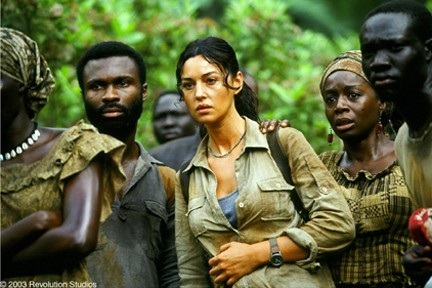
- Monica Bellucci (Dr. Lena Kendricks): Bellucci brings empathy and determination to her role, making Kendricks the emotional heart of the film. While her character occasionally veers into idealism, Bellucci’s performance grounds her in authenticity.
- Cole Hauser and Eamonn Walker: As Red and Zee, respectively, they provide strong supporting performances, highlighting the team’s dynamics and loyalty.
- Supporting actors like Johnny Messner (Lake), Nick Chinlund (Slo), and Paul Francis (Doc) add depth to the ensemble, though some characters receive limited screen time.
3. Soundtrack
The score, composed by Hans Zimmer, is a standout feature, blending orchestral intensity with African musical elements to heighten the film’s emotional and action-driven moments. Tracks like “Yekeleni” and “The Journey” underscore the film’s themes of hope, struggle, and sacrifice.
4. Action and Visual Effects
The action sequences are meticulously crafted, showcasing the SEALs’ tactical expertise through realistic firefights, ambushes, and a climactic battle supported by air strikes. The film prioritizes practical effects over CGI, lending authenticity to explosions and combat scenes. The choreography of the SEALs’ movements reflects their training, adding credibility to the portrayal of elite soldiers.
Production Details
- Director: Antoine Fuqua
- Writers: Alex Lasker, Patrick Cirillo
- Producers: Ian Bryce, Mike Lobell, Arnold Rifkin
- Composer: Hans Zimmer
- Running Time: 121 minutes (theatrical release), 142 minutes (Director’s Cut)
- Budget: Approximately $75 million
- Box Office: Approximately $86.5 million worldwide
- Production Companies: Revolution Studios, Cheyenne Enterprises
- Distributor: Columbia Pictures
- Release Date: March 7, 2003
Strengths and Weaknesses
Strengths
- Emotional Depth: The film successfully blends action with a meaningful exploration of morality and humanity, prompting reflection on ethical dilemmas.
- Realistic Action: The combat scenes are intense, well-executed, and grounded in tactical realism.
- Strong Performances: Willis and Bellucci anchor the film, with solid support from the ensemble cast.
- Powerful Score: Hans Zimmer’s music elevates both the action and emotional resonance of the story.
- Thought-Provoking Message: The film’s focus on compassion and sacrifice resonates long after the credits roll.
Weaknesses
- Simplified Narrative: The political and cultural context of the Nigerian conflict is oversimplified, lacking depth and historical nuance.
- Underdeveloped Characters: Some SEAL team members and refugees receive minimal development, limiting their impact.
- Pacing Issues: Certain sequences, particularly the jungle trek, feel protracted, slowing the film’s momentum.
- Western-Centric Perspective: Critics have noted the film’s “white savior” undertones, which may oversimplify complex African issues.

Reception and Impact
Upon its release, Tears of the Sun received mixed reviews. Critics praised its action sequences, Willis’ performance, and its humanitarian themes but criticized its simplistic plot and idealized portrayal of military intervention. On Rotten Tomatoes, it holds a 33% approval rating from critics but a 69% audience score. On IMDb, it has a 6.6/10 rating, reflecting stronger audience appreciation. The film grossed $86.5 million globally, a modest success given its $75 million budget.
The Director’s Cut, released on DVD, extends the runtime to 142 minutes, adding scenes that flesh out character motivations and the conflict’s backdrop, addressing some criticisms of the theatrical version.
Cultural Significance
Tears of the Sun sheds light on the challenges of African conflicts, drawing parallels to real-world events like the Rwandan Genocide and civil wars in Sierra Leone. While fictional, it raises awareness of issues like ethnic violence, refugee crises, and the ethical complexities of foreign intervention. The film’s closing quote, inspired by Edmund Burke—“The only thing necessary for the triumph of evil is for good men to do nothing”—encapsulates its call to action against injustice.
However, the film has faced criticism for its Western-centric lens, with some arguing it perpetuates stereotypes by framing the U.S. military as saviors of African victims. Despite this, it remains a notable entry in the war genre for its blend of action and moral inquiry.
Key Scenes
- Village Massacre: A harrowing sequence where the SEALs witness rebels slaughtering civilians, including women and children, serves as a turning point for Waters’ moral awakening.
- Final Battle: The climactic standoff at the Cameroon border, with air support and heavy casualties, combines intense action with emotional weight.
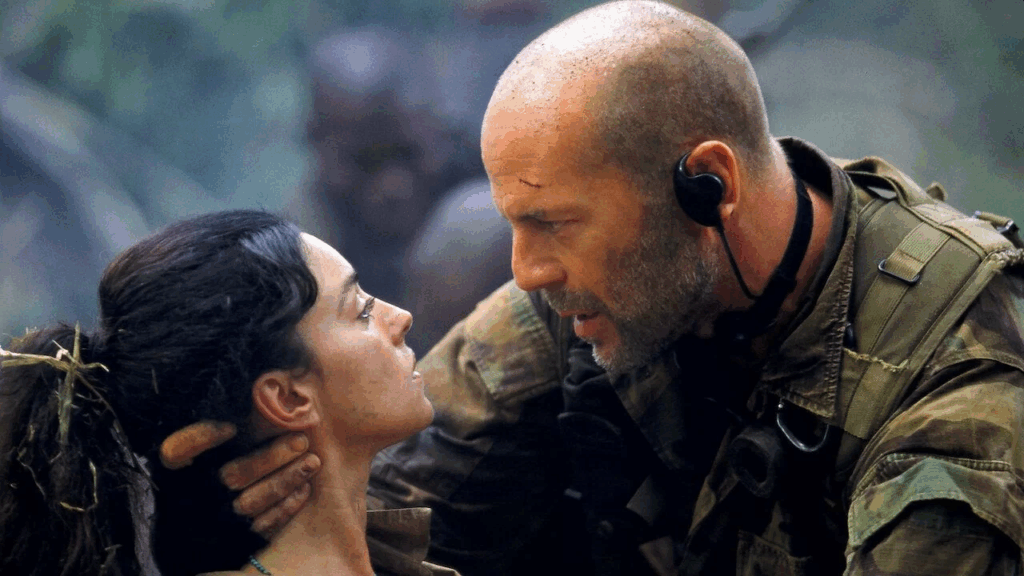
- Waters and Kendricks’ Debate: Their confrontation over the refugees’ fate highlights the clash between duty and morality, setting the stage for the film’s central conflict.
Comparison to Other Films
Tears of the Sun shares similarities with Black Hawk Down (2001) and Saving Private Ryan (1998) in its realistic portrayal of military operations and themes of camaraderie. However, its focus on moral dilemmas and humanitarian concerns sets it apart from purely action-driven war films, aligning it closer to Hotel Rwanda (2004) in its exploration of compassion amid conflict.
Conclusion
Tears of the Sun is a compelling war film that balances gripping action with profound questions about morality, duty, and humanity. Despite flaws like a simplified narrative and occasional pacing issues, it shines through Bruce Willis’ and Monica Bellucci’s performances, Antoine Fuqua’s dynamic direction, and Hans Zimmer’s evocative score. For viewers seeking a blend of adrenaline-pumping action and thought-provoking drama, Tears of the Sun remains a memorable and impactful cinematic experience.
**mitolyn official**
Mitolyn is a carefully developed, plant-based formula created to help support metabolic efficiency and encourage healthy, lasting weight management.
I don’t think the title of your article matches the content lol. Just kidding, mainly because I had some doubts after reading the article. https://accounts.binance.com/register/person?ref=JW3W4Y3A
Thank you for your sharing. I am worried that I lack creative ideas. It is your article that makes me full of hope. Thank you. But, I have a question, can you help me? 免费Binance账户