Julia Roberts: From Pretty Woman to Hollywood’s Eternal Beauty Queen
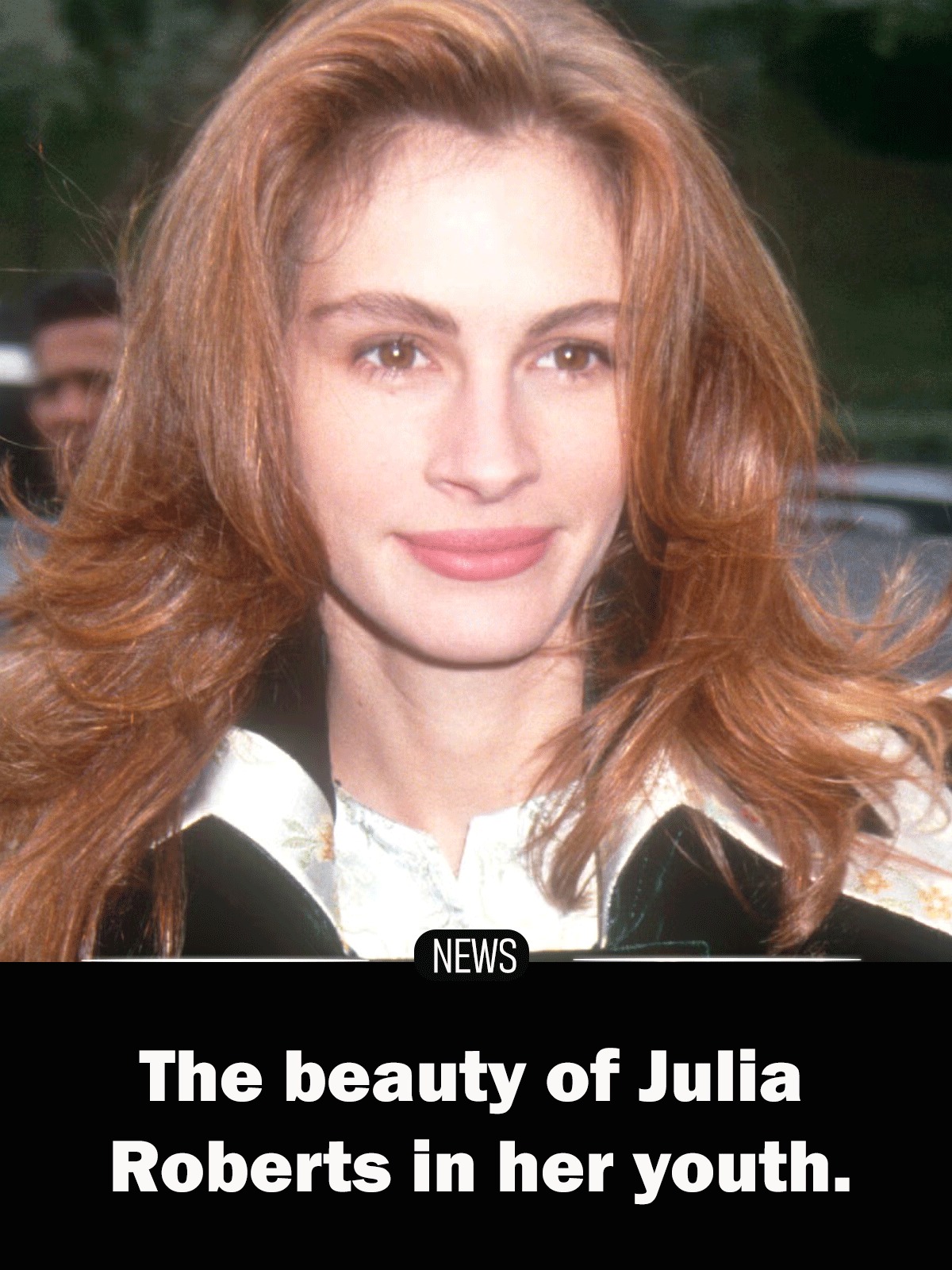
Julia Roberts has always been more than just a movie star. With her radiant smile, effortless charm, and undeniable screen presence, she became a cultural icon whose influence transcended cinema. This year marks the 30th anniversary of Pretty Woman — the film that didn’t just launch her career, but permanently altered Hollywood’s definition of a leading lady.
From romantic comedies to intense dramas, from red carpets to award stages, Julia Roberts’ journey is one of rare longevity, evolution, and authenticity. She didn’t merely survive Hollywood’s shifting standards — she reshaped them. And three decades after Pretty Woman, her legacy remains as luminous as ever.
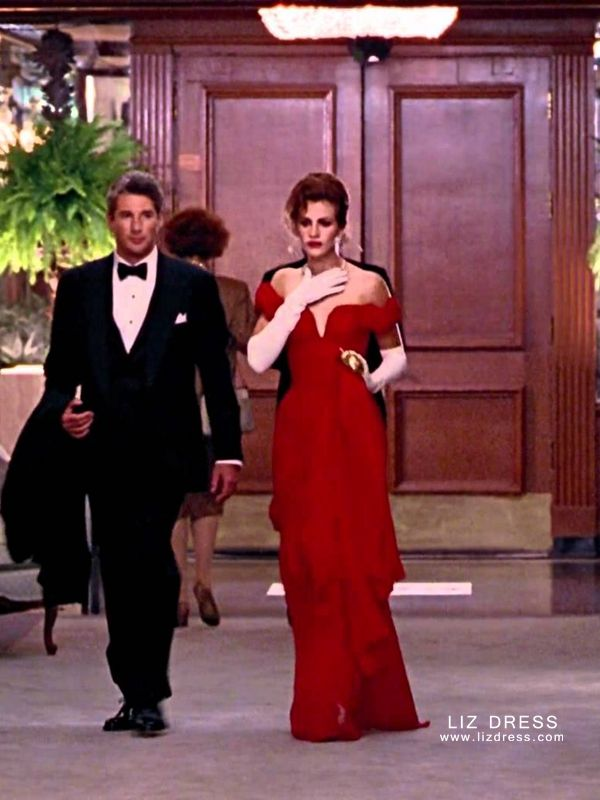
The Film That Changed Everything
Released in 1990, Pretty Woman arrived at a time when Hollywood romantic leads were often defined by conventional beauty and predictable archetypes. Julia Roberts shattered those expectations the moment she stepped on screen as Vivian Ward. Her performance was vibrant, funny, vulnerable, and fearless — infused with a charisma that felt entirely her own.
The film became a global phenomenon, but more importantly, it introduced audiences to a new kind of star. Julia’s smile wasn’t polished or restrained; it was wide, expressive, and unapologetic. Her beauty felt human, approachable, and powerful all at once. Overnight, she became the face of a generation.
Pretty Woman didn’t just make her famous — it made her unforgettable.
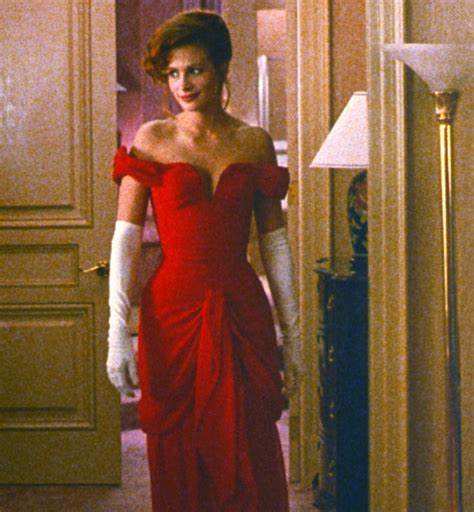
A Meteoric Rise to A-List Royalty
Following Pretty Woman, Julia Roberts’ ascent was swift and undeniable. Throughout the 1990s, she dominated box offices with films like My Best Friend’s Wedding, Notting Hill, Runaway Bride, and Stepmom. Each role reinforced her ability to balance humor with emotional depth — a rare combination that made audiences feel deeply connected to her characters.
Awards soon followed. Julia earned multiple Golden Globe wins and nominations, solidifying her reputation as not just a romantic lead, but a serious actress with range. Her performances felt natural yet powerful, never forced, never artificial.
By the late ’90s, she wasn’t just an actress — she was Hollywood’s standard.
Redefining Beauty in Hollywood
Julia Roberts’ beauty has always been central to her public image, but what made it remarkable was how unconventional it felt for its time. Her features were bold, her smile expansive, her presence confident without being curated. She didn’t conform to Hollywood’s rigid mold — she expanded it.
People magazine named her “Most Beautiful Woman” a record five times, an achievement that speaks not only to her appearance but to her enduring appeal across generations. She aged naturally, resisted excessive reinvention, and allowed her confidence to evolve alongside her career.
Interestingly, during the early 2000s, media narratives often framed Julia alongside Halle Berry in conversations about Hollywood’s reigning beauty icons. While comparisons were inevitable, what made Julia stand apart was her refusal to compete. She never chased the title — it followed her.
Fashion Risks and Fearless Style
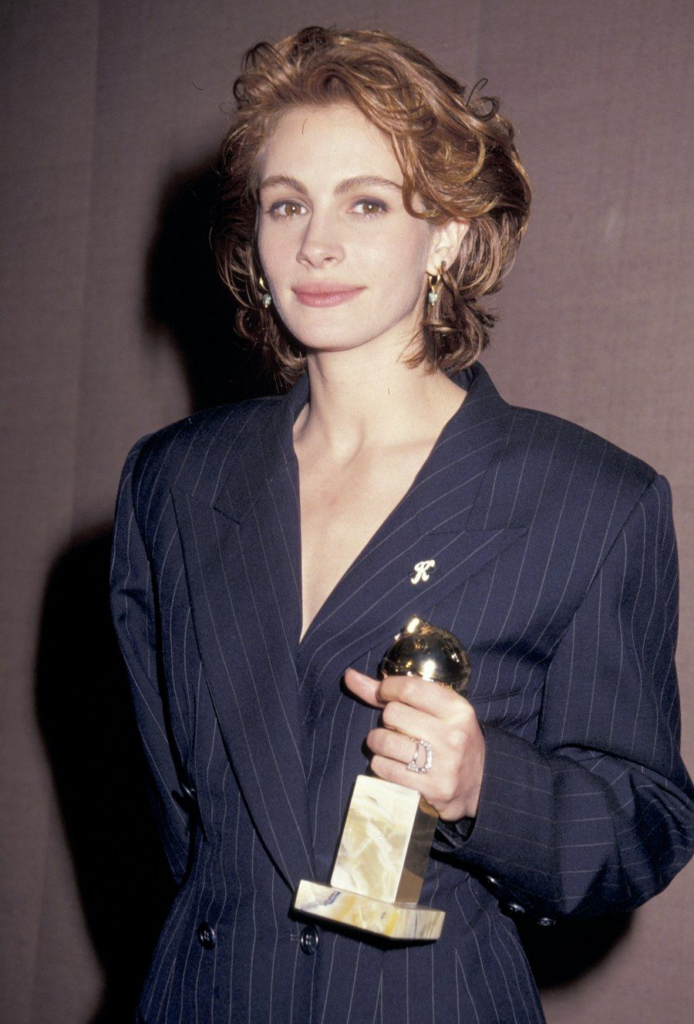
Julia Roberts’ fashion journey has been as bold and unpredictable as her career choices. From oversized menswear suits to minimalist gowns, she frequently defied red-carpet norms. One of her most talked-about moments came when she accepted an award wearing a tailored men’s suit — a subtle but powerful statement that elegance doesn’t need to be traditionally feminine.
Her style wasn’t about trends; it was about comfort, confidence, and character. Julia dressed like someone who didn’t need approval — and that authenticity became part of her allure. Even when critics questioned her choices, she remained unbothered, letting her work speak louder than fabric or silhouettes.
The Oscar That Sealed Her Legacy
While Julia Roberts had already conquered romantic cinema, Erin Brockovich (2000) marked a turning point. Her portrayal of the determined, sharp-witted legal assistant earned her an Academy Award for Best Actress — a performance that silenced any lingering doubts about her dramatic range.
The role stripped away glamour and replaced it with grit. Julia was raw, relentless, and magnetic. The Oscar win wasn’t just recognition — it was validation that she could carry stories of substance with the same force as she carried love stories.
Longevity in a Changing Industry
Few actresses manage to remain relevant across decades, especially in an industry that constantly reinvents itself. Julia Roberts achieved this by choosing evolution over reinvention. She took breaks, prioritized family, and returned when roles resonated with her values.
Rather than chasing youth, she embraced maturity. Her later roles reflect nuance, restraint, and lived experience — qualities that resonate deeply with modern audiences. Julia didn’t disappear; she simply learned when to step back and when to step forward.
Beauty Beyond the Surface
What truly sets Julia Roberts apart is that her beauty has never been limited to appearance. It lives in her laughter, her interviews, her refusal to be overproduced. She remained grounded in an industry that often demands perfection, choosing authenticity instead.
She openly spoke about aging, motherhood, and self-acceptance — conversations that made her even more relatable. In doing so, she quietly challenged Hollywood’s obsession with youth, proving that relevance comes from confidence, not conformity.
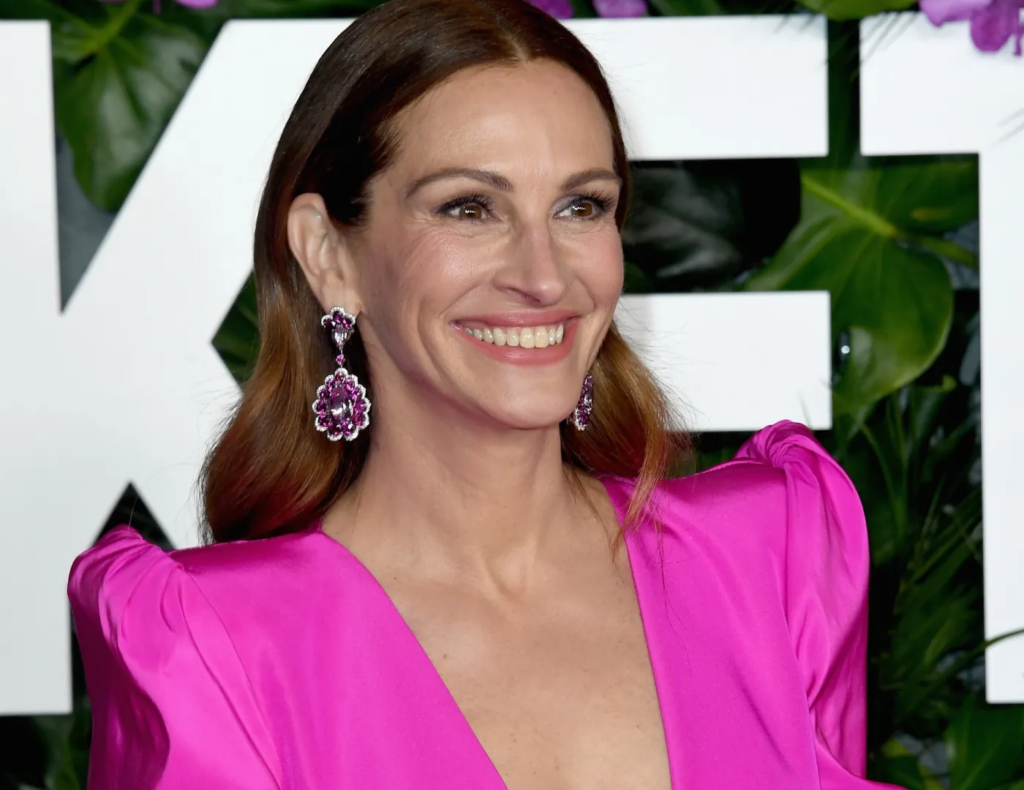
A Cultural Icon, Then and Now
Thirty years after Pretty Woman, Julia Roberts remains a benchmark. Younger generations discover her films while longtime fans continue to celebrate her journey. She bridges eras effortlessly — a rare figure who belongs equally to nostalgia and the present.
Her legacy isn’t defined by a single role or award. It’s defined by consistency, grace, and the courage to remain herself in an industry that often demands transformation.
[IMAGE INSERT 4: Julia Roberts recent appearance (modern era)]
The Smile That Never Faded
Julia Roberts’ smile became her signature, but it symbolizes something deeper — joy without apology, confidence without arrogance, beauty without restriction. She didn’t just rise to fame; she stayed there by evolving honestly.
As Pretty Woman celebrates its 30th anniversary, it’s clear that Julia Roberts didn’t just play a role that changed her life — she embodied a spirit that changed Hollywood.
Conclusion
Julia Roberts is not simply a Hollywood legend — she is a cultural constant. From challenging beauty norms to redefining longevity, she proved that true stardom isn’t about perfection, but presence. Thirty years later, her smile still captivates, her legacy still inspires, and her story remains timeless.
And perhaps that’s why Julia Roberts will always be Hollywood’s true beauty queen — not because she competed for the crown, but because she never needed one.