The Power of Land: Ensuring Local Control for Future Generations
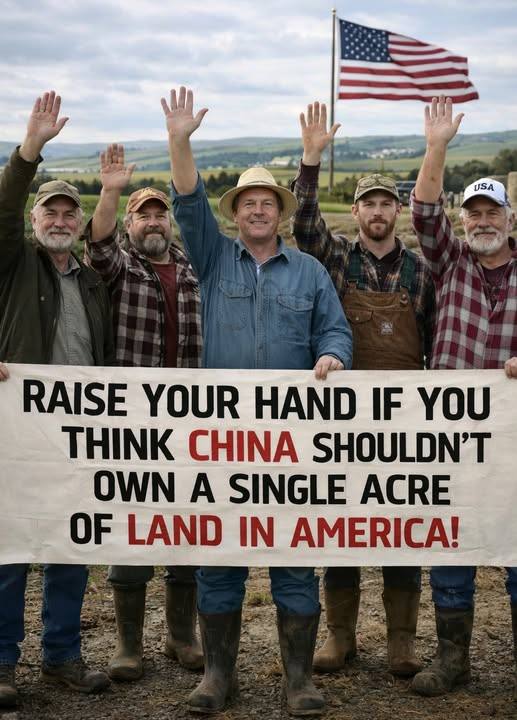
Land has always been at the heart of human survival. It is the space where we plant our crops, build our homes, and find the resources that sustain our daily lives. Throughout history, land has been more than just soil and space; it’s been the backbone of societies, economies, and cultures. Today, as the world faces growing challenges around food security, climate change, and economic instability, the ownership and stewardship of land have become critical points of discussion.
In the United States, one of the most pressing debates is whether foreign entities should own large portions of agricultural land. While economic globalization has connected markets worldwide, the idea of foreign ownership of land in the U.S. raises questions not only about economic control but about national food security, community stability, and environmental sustainability. This article delves into why local control of land matters, the role of farmland in supporting national stability, and how policies surrounding land ownership affect the future of the nation.
The Importance of Land in America
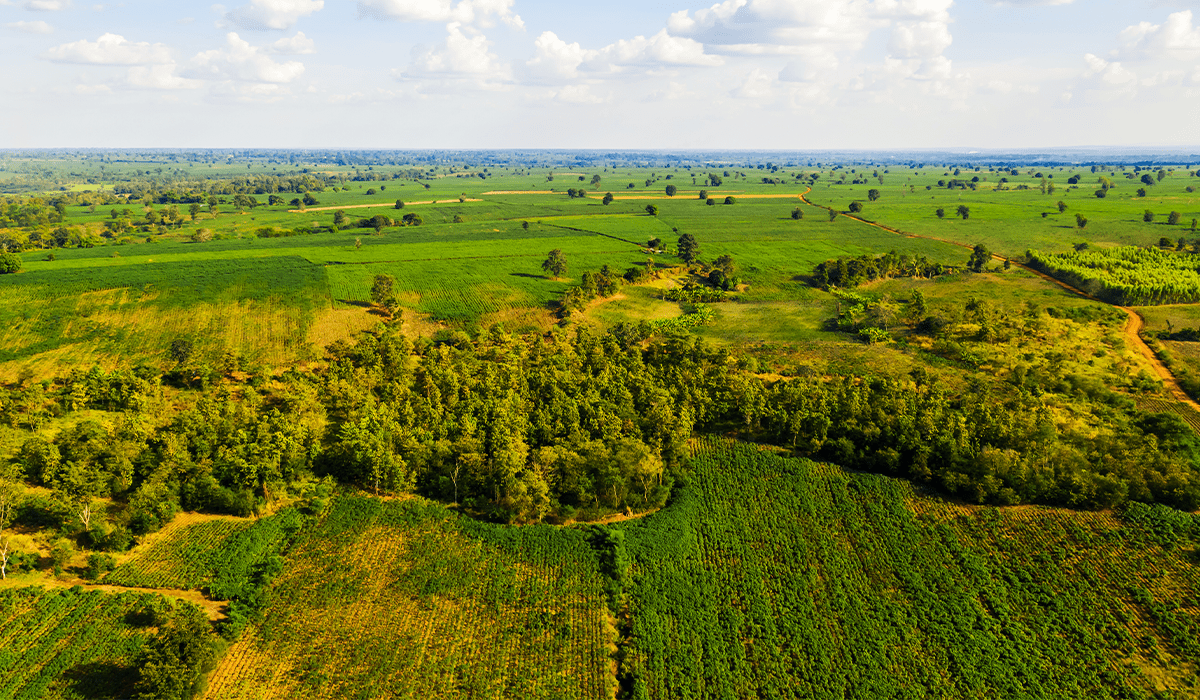
America’s relationship with land runs deep. From the early days of colonization to the establishment of the Homestead Act, land has been central to the American dream. Historically, land was seen as a pathway to independence and prosperity, and it laid the foundation for the growth of agriculture as a key component of the economy.
In contemporary America, land still holds immense significance. It represents not only physical resources but also a cultural connection to farming communities, many of which have been in families for generations. Local farmers don’t just produce food—they maintain traditions, employ workers, and contribute to the local economy in ways that go far beyond what appears on a balance sheet.
Agriculture is deeply connected to the local economy. For many rural areas, farming is the backbone of the entire community. The livelihoods of farmers, the preservation of local culture, and the sustainability of food systems are all tied to local land use. This makes land ownership an issue of national importance, not just individual property rights.
Foreign Ownership of American Land
Over the last few decades, there has been a marked increase in the amount of U.S. farmland that is owned by foreign entities. According to reports, foreign ownership of U.S. agricultural land has grown steadily, with China being one of the largest foreign investors in U.S. farmland. As of recent data, foreign ownership accounts for around 3% of all agricultural land in the U.S.
But what does this mean for the future of American farmland?
- Economic Impacts: Foreign investment in U.S. farmland can be seen as a double-edged sword. While some argue that it brings capital and technological advances to local farms, others contend that foreign ownership can push up land prices, making it harder for local farmers to afford land. The growing demand for land from foreign investors can lead to a shift in priorities, with profit becoming the main motivator, rather than food production for local communities.
- Environmental Consequences: Land mismanagement can become a serious issue when ownership shifts to large corporations or foreign entities that may prioritize financial gains over sustainable farming practices. This shift could negatively affect local ecosystems, degrade soil quality, and contribute to long-term environmental harm.
- Cultural and Social Impacts: Farming is not just an industry; it’s a way of life. The erosion of local land ownership threatens communities’ stability, their traditions, and their self-reliance. When farmland is controlled by entities that have no deep-rooted connection to the local community, it can disrupt social structures, cause displacement, and lead to the loss of important cultural practices.
The Connection Between Land and Food Security
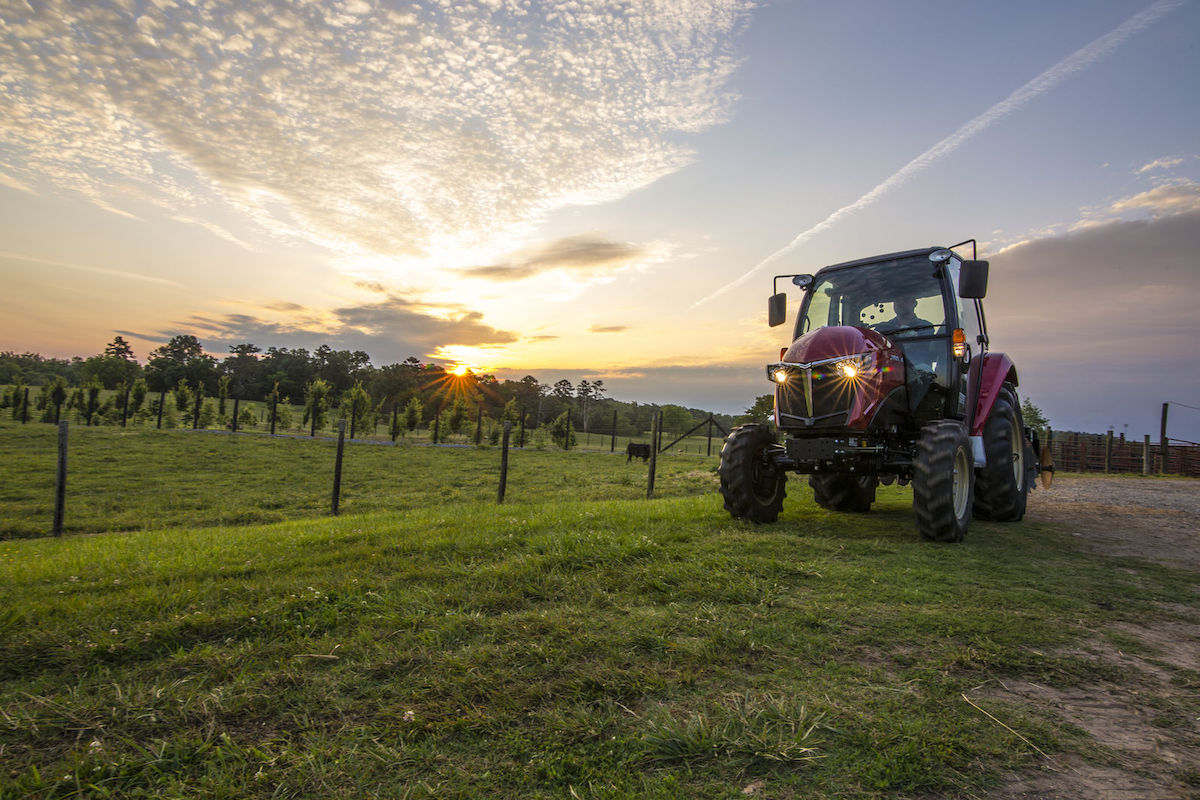
Food security is one of the most pressing issues facing the world today. For a country like the United States, which is a global leader in agricultural production, ensuring local control of farmland is essential for maintaining national food security. Food security doesn’t just refer to access to food—it refers to a sustainable system where the food people rely on is produced in a manner that is environmentally and economically viable.
Local farmers play a vital role in food security. They cultivate crops, raise livestock, and ensure that communities have access to fresh, nutritious food. When local farms are under threat from foreign ownership or mismanagement, food production becomes uncertain, and communities may find themselves increasingly dependent on global supply chains.
A sustainable food system, reliant on local control of land, ensures that farmers have the resources to grow food and support their families while also contributing to the local economy. It’s about keeping production close to where people live, minimizing transportation costs, reducing carbon footprints, and ensuring that the food produced is safe and healthy for consumption.
Supporting Local Farmers and Communities
To secure a sustainable future for the next generation, land must remain in the hands of those who will use it responsibly and with care. Supporting local farmers is not just an economic necessity but a moral imperative. The health of rural communities depends on their ability to thrive through the cultivation of their land.
- Government Policies: Several measures can be taken to ensure that farmland remains under local control. Implementing stricter regulations on foreign land ownership, incentivizing local investment in farming, and promoting sustainable practices can help mitigate the impact of foreign investors on U.S. farmland.
- Community-Based Solutions: Local communities can also take charge by establishing land trusts, co-ops, and other initiatives that support small farmers. By fostering collaboration between farmers, consumers, and local governments, communities can create a more sustainable, locally controlled food system.
- Sustainable Farming Practices: Sustainable farming not only ensures food security but also protects the environment. By keeping farmland in local hands, there’s a greater opportunity to adopt environmentally friendly practices, such as crop rotation, organic farming, and soil conservation techniques that promote long-term land health.
The Path Forward: Advocating for Change
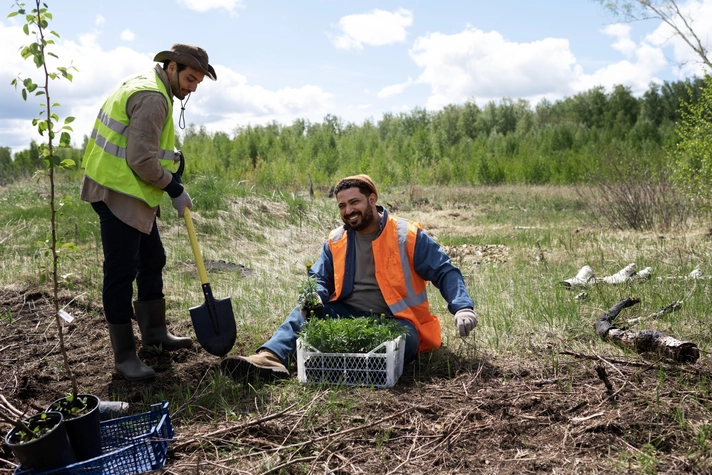
The conversation about land ownership is far from over. To ensure that the benefits of land stewardship stay within local communities, we must continue to push for thoughtful, transparent policies that promote responsible land use and food security.
- Policy Reform: It’s crucial for lawmakers to address foreign land ownership, not only to protect local farming communities but also to secure the nation’s food supply chain. By putting restrictions on foreign investment and incentivizing local ownership, policymakers can help create a balanced system that protects the interests of farmers and the environment.
- Transparency and Accountability: One of the key challenges in the conversation around land ownership is the lack of transparency. Knowing who owns the land and how it is being used is critical to making informed decisions about its future. Transparency in land transactions, along with stricter reporting requirements, can help keep foreign interests in check and ensure that the land is being managed responsibly.
- Public Engagement: It’s also important to involve local communities in discussions about land use. By fostering a sense of ownership and responsibility within communities, people will be more invested in the sustainable management of their land. This could include grassroots efforts, education campaigns, and community-led sustainability programs.

The ownership and stewardship of land is not just a matter of economics; it’s a matter of national importance. The decisions made today about who controls American farmland will shape the future of food security, community stability, and the environment. By keeping land in the hands of local farmers and supporting policies that prioritize sustainable land use, we can ensure that America’s agricultural future remains strong, resilient, and secure.
We must take action now, before it’s too late, to safeguard the resources that future generations depend on. Let’s stand together, advocate for policies that protect our farmland, and ensure that land remains a resource for those who truly understand its value.
Fancy a bonus from Fun88, do ya? Keep an eye on their ‘khuyến mãi’—that’s promo in Vietnamese. They’re always chucking out deals. Worth checking before you play! Find the deals here: fun88 khuyến mãi
**mitolyn reviews**
Mitolyn is a carefully developed, plant-based formula created to help support metabolic efficiency and encourage healthy, lasting weight management.