❤️🎬 ONG-BAK: THE THAI WARRIOR — THEN & NOW
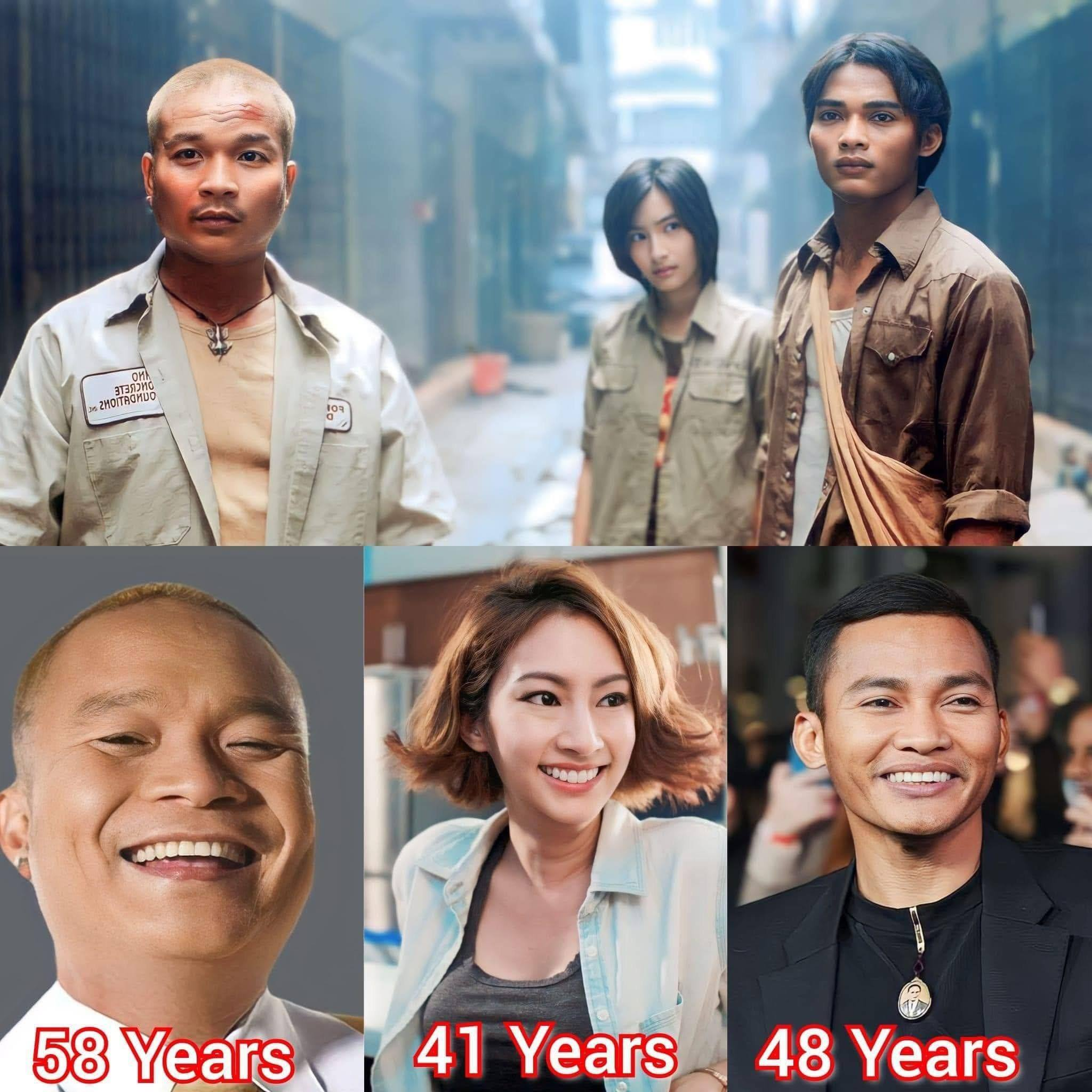
❤️🎬 ONG-BAK: THE THAI WARRIOR — THEN & NOW
🥋 Tony Jaa & Primrata Dej-Udom
💫 From raw instinct to lasting legacy
More than two decades after it burst onto the global stage, Ong-Bak: The Thai Warrior remains a landmark—not just for Thai cinema, but for action filmmaking worldwide. At a time when wirework and CGI dominated the genre, Ong-Bak arrived like a clenched fist: real Muay Thai, real impact, real consequences. Today, revisiting the film through the lens of Then and Now reveals how its stars—and its influence—have evolved without losing their core.
🥊 Then: A Shockwave from Thailand
When Ong-Bak premiered in 2003, audiences were unprepared for what they saw. The camera didn’t hide behind cuts or tricks. Every elbow, knee, and flying knee strike landed with unmistakable force. The film’s promise—no wires, no doubles, no CGI—wasn’t marketing hype; it was a mission statement.
At the center stood Tony Jaa, a then-unknown stuntman whose athleticism and discipline felt otherworldly. As Ting, Jaa wasn’t a quip-trading hero; he was a vessel for Muay Thai’s philosophy—balance, respect, restraint, and ferocity when necessary. His performance wasn’t just physical; it was spiritual. Every fight carried the weight of tradition.
Alongside him, Primrata Dej-Udom brought heart and humanity to a brutal world. Her presence grounded the story, offering warmth and wit amid the bone-crunching action. In a genre often content to sideline its female characters, Primrata’s role added texture—an emotional counterpoint that made Ting’s journey resonate beyond the ring.
🌍 The Impact: Redefining Action Cinema
Ong-Bak didn’t just succeed; it reframed expectations. International filmmakers took notice. Audiences rediscovered the thrill of authenticity. Suddenly, long takes and practical stunts felt revolutionary again. The film ignited a renewed interest in Southeast Asian martial arts cinema and opened doors for a generation of performers trained in real disciplines.
Tony Jaa became a global sensation overnight. Offers followed. So did pressure. But the impact was undeniable: Ong-Bak proved that truth in movement could outshine spectacle.
🕰️ Now: Time, Trials, and Transformation
Fast-forward to today, and Tony Jaa’s journey reads like a study in endurance. The explosive newcomer has matured into a seasoned artist—still formidable, now reflective. Years of physically punishing work, personal challenges, and industry shifts have reshaped his approach. His movements are leaner, more deliberate; his performances carry the wisdom of survival.
Jaa’s later roles—across Thai and international productions—show an actor who understands pacing and presence as much as power. He remains synonymous with authenticity, a standard-bearer for practical action in an era increasingly reliant on digital shortcuts.
Primrata Dej-Udom’s path took a different arc—one defined by selectivity and balance. Stepping away from the relentless churn of blockbuster fame, she pursued work and life on her own terms. Today, her legacy within Ong-Bak endures as a reminder that impact isn’t measured by volume. Sometimes it’s measured by how a performance ages—quietly, honestly.
🧠 Then vs. Now: What Changed—and What Didn’t
What changed:
- The industry’s scale and speed
- The tools available to filmmakers
- The expectations placed on action stars
What didn’t:
- The reverence for Muay Thai’s roots
- The power of practical choreography
- The emotional clarity that comes from sincerity
Rewatching Ong-Bak now, its rough edges feel like virtues. The dust, the sweat, the silence between strikes—these are the textures modern action often polishes away. The film’s restraint is its strength.
🥋 Muay Thai as Identity
At its heart, Ong-Bak is a cultural statement. It treats Muay Thai not as a gimmick, but as heritage. The ritual, the wai kru, the respect for teachers and ancestors—these elements anchor the violence in meaning. Tony Jaa’s Ting fights not to dominate, but to restore balance. That ethos resonates even more today, when spectacle risks drowning out purpose.
🎥 A Legacy That Keeps Teaching
The “Then and Now” conversation isn’t about nostalgia—it’s about continuity. Modern action films still cite Ong-Bak as a touchstone. Training gyms worldwide point students back to its sequences to understand spacing, timing, and intent. Filmmakers study its camera placement to learn how to show action rather than disguise it.
Tony Jaa’s career continues to inspire performers to prioritize craft over shortcuts. Primrata’s work reminds audiences that emotional grounding elevates even the hardest-hitting cinema.
❤️ Final Thoughts: Why Ong-Bak Still Matters
Ong-Bak: The Thai Warrior endures because it never pretended to be more than it was—and that honesty made it timeless. Seeing Tony Jaa and Primrata Dej-Udom then and now isn’t just a look back; it’s a lesson forward.
🥋 Authenticity ages well.
🔥 Discipline outlasts trends.
❤️ And true impact doesn’t fade—it deepens.
As action cinema evolves, Ong-Bak stands as proof that the most powerful moves are the ones rooted in respect—for the art, the body, and the story being told.
What’s up guys? 16bet4 is a place I’d recommend checking out. They have a lot of variety and easy payment. If you are looking for a fun place to play, checkout 16bet4.
Многие новички спрашивают, как применить хрумер https://www.olx.ua/d/uk/obyavlenie/progon-hrumerom-dr-50-po-ahrefs-uvelichu-reyting-domena-IDXnHrG.html, чтобы получить максимальный эффект.