Accountability in Welfare: Why Work Requirements and Drug Testing Are Back in the National Debate
For years, Americans have debated one difficult question: how do we protect those who truly need help while also making sure the welfare system is fair to the people who fund it?
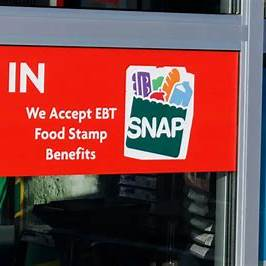
SNAP benefits were created as a safety net — a way to help low-income families, seniors, people with disabilities, and struggling Americans put food on the table during hard times. At its best, the program offers dignity, stability, and a path through crisis. But many taxpayers now believe the system needs stronger accountability to prevent abuse and long-term dependency.
The issue is not whether America should help people in need. Most people agree that a compassionate society should protect the vulnerable. The real question is whether able-bodied adults who can work should be expected to contribute in some way while receiving public assistance.
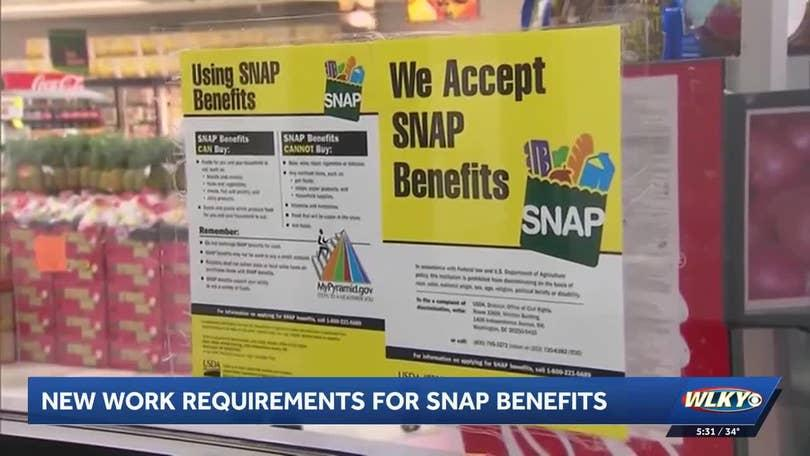
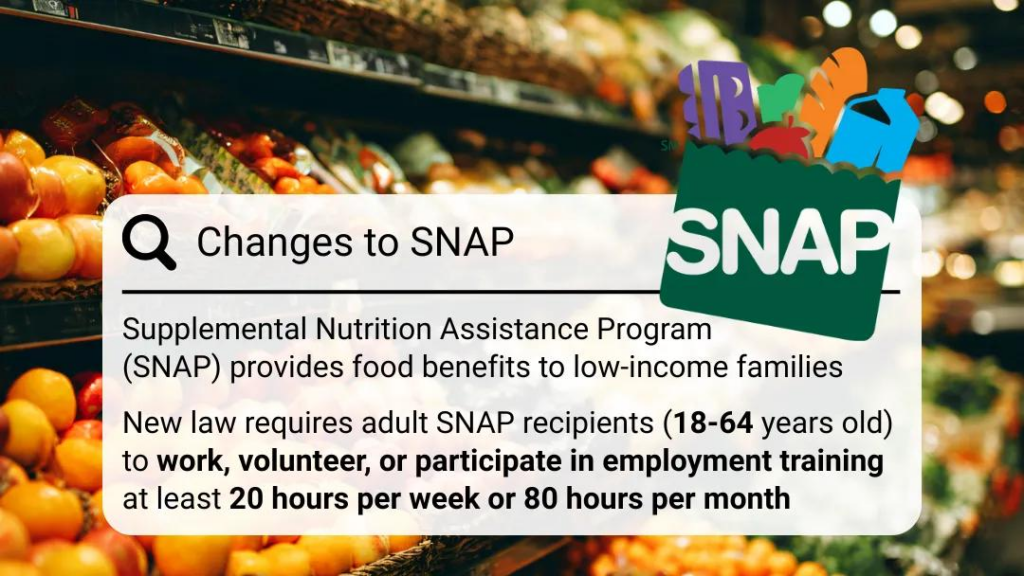
Supporters of reform argue that requiring at least 20 hours of work, job training, volunteering, or community service each week is not punishment. They see it as a reasonable standard that encourages responsibility, builds routine, and helps people move toward independence. For those who are physically and mentally able to work, a basic work requirement can be a bridge back into the workforce rather than a barrier to support.
A safety net should catch people when they fall. It should not become a permanent lifestyle for those who are capable of standing on their own. Hardworking taxpayers, especially working-class families struggling with inflation, rising grocery prices, rent, gas, and medical bills, deserve to know that their money is being used responsibly.
This is why many Americans also support mandatory drug testing for certain welfare benefits. The argument is simple: public assistance should help people stabilize their lives, not enable destructive habits that can harm families and communities. Supporters believe drug testing could help identify people who need treatment, protect children in unstable households, and make sure taxpayer-funded benefits are being used for their intended purpose.
Of course, any reform must be handled carefully. The goal should not be to shame people who are poor or punish families facing hardship. Many SNAP recipients are already working, caring for children, elderly, disabled, or temporarily unemployed. These people deserve respect and support. Reform should be targeted at abuse, not at the honest families who rely on help to survive.
The strongest welfare system is one that balances compassion with accountability. It should help the elderly, disabled, veterans, single parents, and struggling workers. It should also encourage able-bodied adults to take steps toward employment, stability, and self-reliance.
Work requirements can restore dignity by reminding people that contribution matters. Drug testing, when paired with treatment options and fair rules, can help protect both the individual and the public investment. Together, these reforms could reduce abuse, strengthen trust in the system, and make sure benefits remain available for those who truly need them.
This debate is not only about money. It is about values. Should taxpayers be expected to fund a system with little accountability? Or should public assistance come with basic expectations for those who are able to meet them?
America’s welfare system should not be a lifelong hammock. It should be a helping hand — one that lifts people up, encourages responsibility, and protects the most vulnerable.
If the country wants a stronger safety net, it must also demand a fair one. Accountability, work, responsibility, and compassion should not be enemies. They should be the foundation of a system that serves both those in need and the taxpayers who make that help possible.
6o5pwi
Secure and stable platform. I feel safe depositing here and the withdrawal process is surprisingly efficient. sky234login
Such a great place to unwind. The rewards keep me coming back and the community is awesome. phsky234
I just tried this app and the interface is super smooth. Withdrawal is fast and the games are really addictive. Highly recommended for Pinoy players! phpfamousapp