Debora Caprioglio in Paprika: The Breakout Role That Made Her an Icon of Italian Cinema
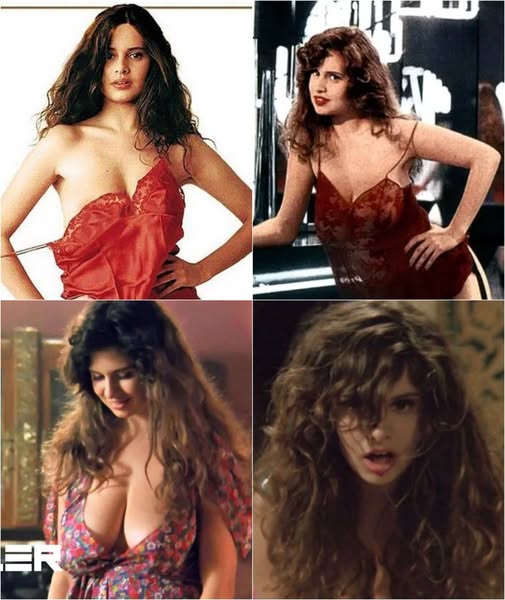
Debora Caprioglio’s performance in Paprika remains one of the most memorable breakout moments in Italian cinema of the early 1990s. Released in 1991 and directed by legendary Italian filmmaker Tinto Brass, the film introduced Caprioglio to a wider international audience and helped define the early stage of her acting career. In the role of Mimma, a young woman who takes on the name “Paprika” after entering a glamorous but complicated adult world, Caprioglio delivered a performance filled with vulnerability, confidence, emotional tension, and undeniable screen presence.
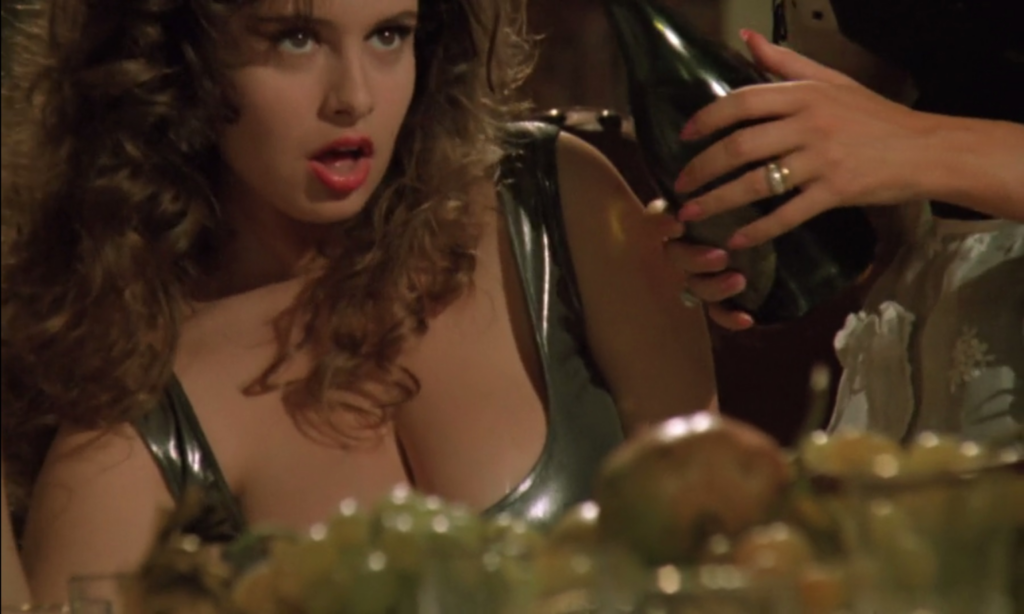
Paprika is often remembered for its provocative subject matter, but beneath its sensual surface is a story about identity, ambition, survival, and self-discovery. The film follows Mimma, a young woman whose life changes dramatically when she steps into a world that promises money, excitement, and freedom, but also exposes her to emotional risks, manipulation, and difficult choices. As she adopts the name Paprika, she begins a journey that forces her to understand not only the world around her, but also herself.
For Debora Caprioglio, the role was a major turning point. She was young, striking, and relatively new to the international spotlight, but Paprika gave her the opportunity to carry a film with both physical confidence and emotional sincerity. Her portrayal of Mimma is not simply about beauty or glamour. Caprioglio gives the character a softness and curiosity that make her more than a symbol of desire. She plays Mimma as someone caught between innocence and experience, between hope and disappointment, between the dream of independence and the reality of a world that often sees women as objects.
That emotional contrast is one of the reasons the performance continues to stand out. Mimma is not written as a simple victim, nor is she presented as someone entirely in control. She is young and ambitious, but also uncertain. She makes choices that are shaped by love, pressure, financial need, and the desire to build a better future. Caprioglio captures all of those contradictions with a natural screen presence that gives the character depth beyond the film’s controversial reputation.
Tinto Brass, known for his bold visual style and provocative storytelling, brought his signature approach to Paprika. The film is lavish, colorful, and full of carefully composed images. It blends romance, drama, comedy, and sensuality in a way that reflects Brass’s distinctive cinematic language. His camera often emphasizes beauty and excess, but Paprika also contains a strong sense of melancholy. The world Mimma enters may appear bright and luxurious, but it is also filled with loneliness, illusion, and emotional compromise.
Caprioglio’s performance works because she understands that contrast. She brings warmth to a film that could otherwise feel purely stylized. Her Mimma is not just moving through beautiful rooms and dramatic encounters; she is changing with every experience. The audience sees her confidence grow, but also sees the cost of that confidence. She learns how to perform strength, but behind that performance is a young woman searching for security, affection, and meaning.
The title “Paprika” itself becomes important to the character’s transformation. It is not merely a new name, but a new identity. Under that name, Mimma becomes more daring, more visible, and more powerful in the eyes of others. Yet the film also asks whether this new identity truly belongs to her or whether it has been created by the expectations of the world around her. That question gives the story its emotional weight. Who is Mimma when she is not Paprika? What remains when the fantasy disappears?
This theme of self-discovery is one of the reasons Paprika has maintained a lasting cult following. While some viewers remember the film mainly for its sensuality, others are drawn to its portrait of a young woman navigating a complicated social and emotional landscape. The film reflects a specific era of European cinema, when stories about desire, gender, and power were often told through bold imagery and heightened drama. Paprika stands as one of the most recognizable examples of that style.
Debora Caprioglio’s presence is central to that legacy. Her performance gave the film its emotional center and helped turn Paprika into more than just a controversial title. She brought humanity to a role that required courage and nuance. It would have been easy for the character to become only a visual figure, but Caprioglio made Mimma feel alive. Her expressions, reactions, and quiet moments reveal a person trying to understand a world that is both exciting and dangerous.
After Paprika, Caprioglio became widely associated with the film, and the role remains one of the most discussed parts of her career. For many fans of Italian cinema, it is the performance that first introduced them to her. The film’s international recognition helped establish her as one of the notable Italian actresses of that period, and her work in the movie continues to be revisited by audiences interested in cult cinema, European drama, and the visual style of Tinto Brass.
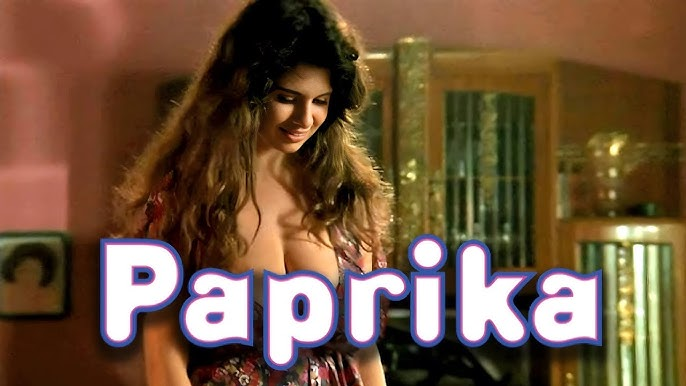
Over the years, Paprika has gained a reputation as a cult classic. Its lavish production design, memorable costumes, dramatic atmosphere, and distinctive cinematography have helped it remain part of conversations about Italian cinema from the early 1990s. It is a film that reflects both the artistic style and the controversies of its director, while also serving as a showcase for Caprioglio’s early talent.
What makes the film especially interesting today is how its themes continue to invite discussion. Paprika explores how society judges women, how beauty can be treated as currency, and how personal freedom can become complicated when it is tied to desire and survival. Mimma’s journey is not presented in simple moral terms. Instead, the film places her in a world of contradictions and allows the audience to watch her navigate them.
Caprioglio’s performance remains the reason the story works. She gives Mimma charm, emotional openness, and a sense of quiet resilience. Even when the film becomes highly stylized, her presence keeps the character grounded. She allows viewers to see the person behind the image, the young woman behind the name, and the emotional cost behind the fantasy.
In many ways, Paprika is both a product of its time and a film that continues to fascinate because of its central performance. It is provocative, visually rich, and unmistakably connected to Tinto Brass’s cinematic identity. But at its heart, it is also a story about a young woman trying to find her place in a world that constantly tries to define her.
Debora Caprioglio’s portrayal of Mimma, also known as Paprika, remains one of the defining elements of the film. It was the role that introduced her to a broader audience and helped shape her image as a captivating screen presence. More than three decades later, her performance continues to be remembered not only for its beauty and confidence, but also for the vulnerability and humanity she brought to the character.
Paprika may be known for its bold style and provocative subject matter, but Debora Caprioglio gave the film its soul. Her breakout performance turned Mimma into one of Italian cinema’s most recognizable characters of the era and ensured that Paprika would remain a lasting part of European film history.
Honestly, the product info mentions so many game types; it feels overwhelming. For beginners, maybe focus on mastering one area first? Checking out 8live game might give a clearer entry point than tackling everything at once. 🤔