“I’m Not Apologizing for Reality.” — Billy Bob Thornton Draws a Line in the Dirt as Landman Ignites Hollywood’s Most Uncomfortable Fight

Hollywood thought it smelled blood. Billy Bob Thornton smelled something else entirely: distance—from the truth, from class, from the people these stories are actually about. And when critics came for Landman, Thornton didn’t hedge, soften, or spin. He went straight at the premise.
“I’m not apologizing for reality.”
It wasn’t a sound bite. It was a declaration.
When Criticism Meets Lived Experience
As reviewers circled Landman with familiar accusations—excess, caricature, overstatement—Thornton answered with something Hollywood doesn’t like being confronted with: memory. Place. People.
Standing shoulder to shoulder with co-star Ali Larter, Thornton rejected the idea that her portrayal of Angela Norris—the glamorous, volatile ex-wife at the center of the show—was “cartoonish.” Not because it was convenient. Because it was recognizable.
“I was raised down there in Arkansas and Texas,” he told Deadline. “Women like Ali exist.”
The point wasn’t aesthetics. It was authenticity. Thornton wasn’t defending exaggeration; he was defending familiarity—the kind that makes people uncomfortable precisely because it’s real.
The Women Critics Don’t Want to Acknowledge
The criticism, Thornton noted, often focused on how Larter’s character looks and behaves—as if beauty, bravado, and sharp edges must be inventions when placed outside coastal stereotypes.
“There are women around the Dallas–Fort Worth area who look like models,” he said, “and they’re just like elbows and eyebrows every minute.”
It was blunt. It was funny. And it landed because it cut through a long-standing Hollywood reflex: when characters don’t conform to a critic’s worldview, they’re labeled implausible.
Thornton’s rebuttal was simple—you don’t know these people. And if you don’t, maybe you’re not the authority on whether they’re real.
Defending Taylor Sheridan—and the Right to Tell These Stories
Thornton didn’t stop with Larter. He widened the frame to defend Landman’s creator Taylor Sheridan, a filmmaker who has spent years telling stories rooted in rural labor, power, and consequence—and catching flak for refusing to dilute them.
“He’s had a hard way to go with the critics over the years,” Thornton acknowledged. “It’s easy to knock him down. He’s a powerful guy.”
But Landman, he added, has received some of the best reviews Sheridan has ever had—proof that the fight isn’t about quality. It’s about comfort.
Who gets to tell stories about oil fields and back roads?
Who decides what “real” looks like when it doesn’t mirror their lives?
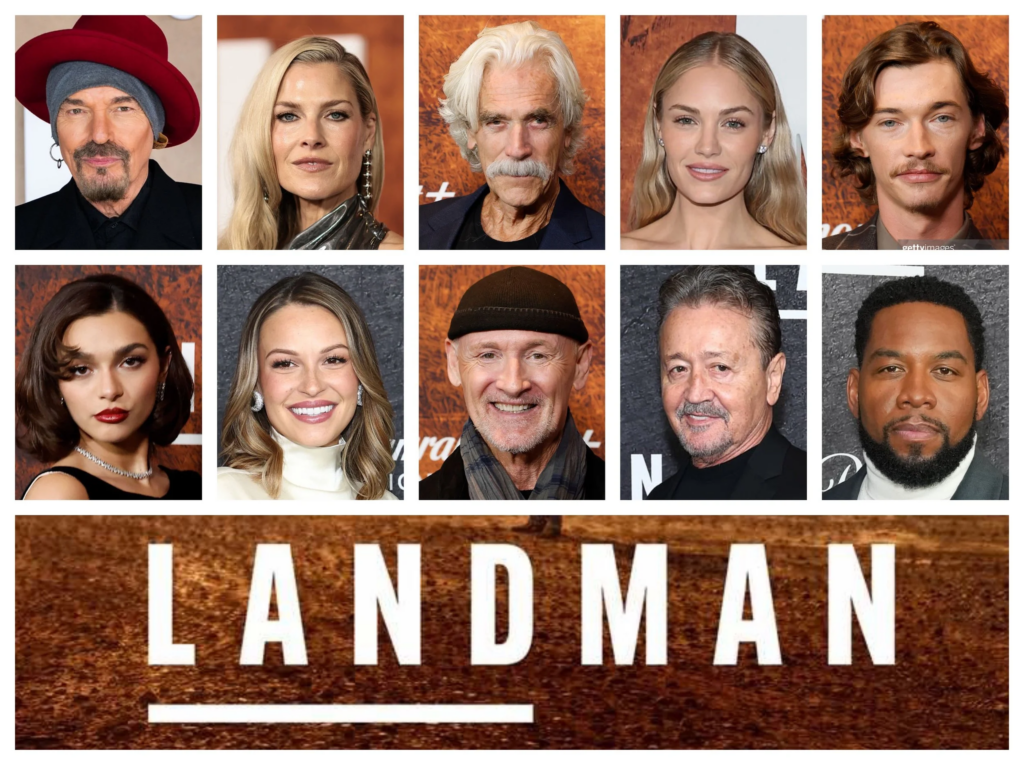
Not Damage Control—A Line in the Dirt
This wasn’t a PR tour smoothing rough edges. It was a refusal to sand them down.
Landman doesn’t ask permission. It doesn’t soften its characters to be liked. It presents a world fueled by money, risk, ego, and survival—where people talk loud, live hard, and make ugly choices. Thornton’s Tommy Norris is abrasive by design, not accident.
And that’s exactly the point.
While armchair critics debate tone from a distance, Landman keeps moving forward—powered by performances that won’t pretend these people are something they’re not.
A Broader Hollywood Reckoning
The clash around Landman echoes a larger standoff playing out across Hollywood: class versus commentary, lived experience versus curated taste.
Thornton’s message was unmistakable—stories drawn from Arkansas and Texas don’t need coastal approval to be valid. Characters that feel “too much” to some viewers feel exactly right to others.
And that friction? That’s the story doing its job.
The Unapologetic Momentum
Fresh off a Golden Globe nomination, Thornton has nothing to prove—and nothing to walk back. He isn’t asking critics to like Landman. He’s challenging them to recognize the limits of their lens.
“This isn’t fiction softened for approval,” his stance makes clear. “It’s grit without permission.”
And as Landman streams on Paramount+, the message reverberates beyond one show or one performance:
Some stories aren’t meant to be comfortable.
Some truths don’t ask to be liked.
And some lines, once drawn, are meant to be crossed—if you dare.